

Exposing oyster larvae to beneficial microbial communities in controlled environments allows their immune system to be “educated” and alters the composition of their microbiota, enhancing resistance to infectious diseases.
This process, referred to as microbial education, has proven effective in boosting the resilience of Pacific oyster (Magallana gigas) against Pacific Oyster Mortality Syndrome (POMS) and vibriosis, two of the most severe infectious diseases affecting the global oyster farming industry.
Researchers at IFREMER, in France, exposed oyster larvae to microbial communities derived from healthy donor oysters. Their finding showed that this strategy could build resistance to both POMS and vibriosis. Additionally, synthetic bacterial mixes derived from disease-resistant oysters were tested; these proved effective against POMS but did not offer the same protection against vibriosis.
The study highlights how microbial exposure induces long-term changes in the microbiota and gene expression of oyster, significantly enhancing their immune response.
What makes this method particularly promising is its feasibility in hatchery setting, where environmental factors can be controlled, and the risk of introducing harmful pathogens minimised. This approach offers a sustainable solution for reducing oyster mortality and enhancing the profitability of oyster farming, with less reliance on chemical treatments such as antibiotics.
The research, published in Scientific Reports, provides further insights. For instance, the effects of microbial exposure vary depending on the origin of the oysters. Populations from different regions demonstrated different levels of immune response and disease resistance. For example, oyster from Arcachon showed the greatest reduction in mortality rates for both diseases, while populations from Brest and Thau exhibited less pronounced effects.
The timing of microbial exposure was also found to be crucial, with “critical exposure windows” identified. Early exposure, immediately after fertilization, posed higher risks, as certain bacterial combinations increased larval mortality. However, exposure later, from 7 post-fertilisation, resulted in lower mortality and more significant long-term benefits.
Interestingly, while the introduced bacteria did not persist in the oysters’ microbiota over time, microbial exposure still induced lasting changes in the overall composition, suggesting an ongoing interaction between the host’s immune system and its microbiota.
Although the method shows great potential, researchers emphasise the importance of optimizing bacterial combinations, exposure timing, and hatchery conditions to maximise benefits and minise larval mortality risks.
Reference:
Dantan, L., Carcassonne, P., Degrémont, L., et al. (2024). Microbial education plays a crucial role in harnessing the beneficial properties of microbiota for infectious disease protection in Crassostrea gigas. Scientific Reports

Related

Latest In-depth
-
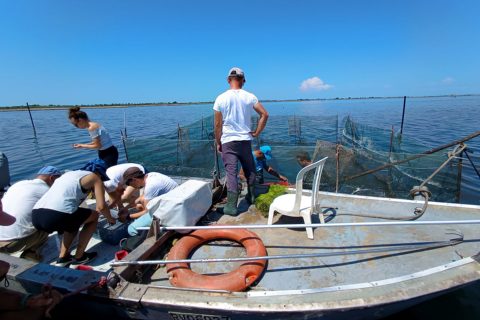
Clams more resistant to heat and Perkinsus: research paves the way for selective breeding
Padua, Italy, 16/10/2026 | University of Padua researchers explain to misPeces the findings presented at Aquaculture Europe 2026 and the steps needed to transfer them to hatcheries. Initial applications could emerge within the next two or three years, although the relationship between resistance, growth and other production traits still need to be assessed