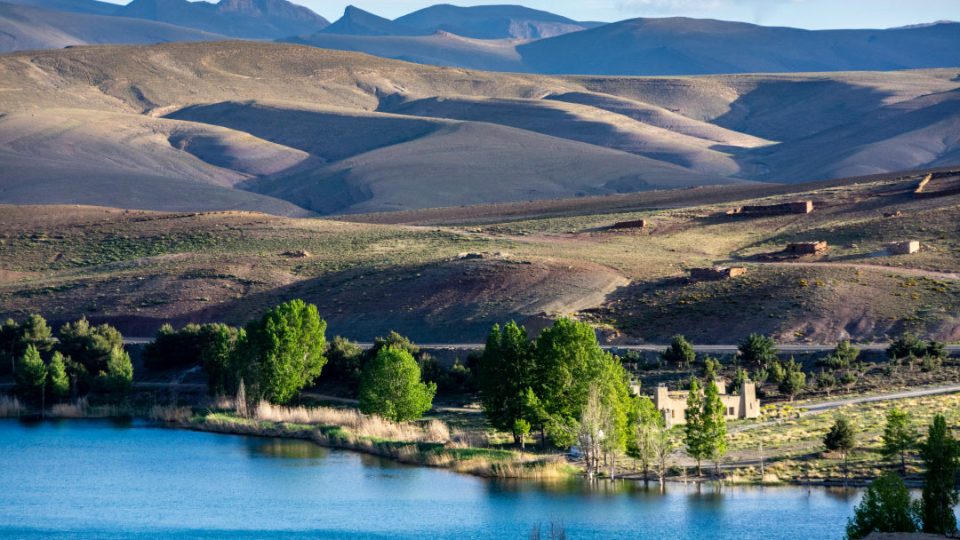
Morocco is strengthening its commitment to aquaculture with a 36 million dirhams (around €3.5 million) investment in two new juvenile fish production facilities in the provinces of Jerada (east) and Al Haouz (south). Spearheaded by the National Agency for Water and Forest (ANEF), the project aims to replenish fish stocks in reservoirs, protect biodiversity, and create local employment opportunities.
Badr Laamiri, Head of the Inland Fisheries and Aquaculture Division at ANEF, emphasized that these facilities will not only focus on breeding juvenile fish but will also serve as training and research hubs, offering scientific and technical suppor to foster the sustainable growth of the aquaculture sector.
The hatcheries will primarily rear warm-water fish species, such as tilapia, which is well known for its resilience and adaptability to high temperatures.
The funding for the project comes from agreements with international financial institutions. The European Investment Bank (EIB) has allocated 17 million dirhams (€1.6 million) for the Jerada facility, while the African Development Bank (AfDB) has contributed 19 million dirhams (€1.8 million) towards the Al Haouz hatchery.
These initiatives were presented during a meeting of the National Council for Inland Fisheries and Aquaculture, established in 2024 to coordinate sector-wide efforts and ensure long-term sustainability.
Sector Growth and New Economic Opportunities
According to ANEF’s Director, Abderrahim el Houmi, the production of juvenile fish at these new hatcheries will strengthen fish populatons across Morocco’s 140 freshwater reservoirs, which undergo periodic restocking. In 2024 alone, 51 reservoirs were replenished with species suited to their ecosystems.
During the 2024-2025 season, ANEF facilities have produced 27 million juvenile fish, while the private sector has generated 1,300 tonnes of warm-water fish. Currently, ten aquaculture companies operate in Marocco, primarily focusing on trout and tilapia production. The sector employs 120 full-time workers and creates 46,000 seasonal workdays.
Marocco is also exploring innovative approaches to develop aquaculture in arid regions, such as Jerada province. ANEF recently launched a project to rear fish in agricultural irrigation ponds, supporting food security and maximizing water efficiency in desert areas.
With these investments and strategic initiatives, Morocco reaffirms its commitment to expanding aquaculture as a sustainable economic and environmental solution, promoting sector diversification and strengthening its role in aquatic food production in North Africa.

Related
Latest In-depth
-
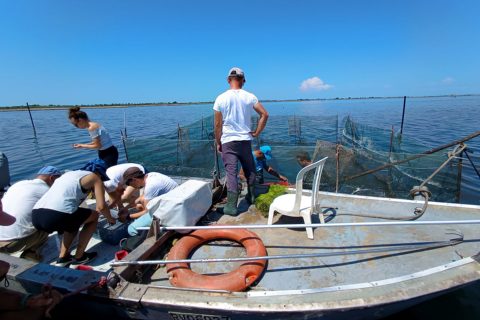
Clams more resistant to heat and Perkinsus: research paves the way for selective breeding
Padua, Italy, 16/10/2026 | University of Padua researchers explain to misPeces the findings presented at Aquaculture Europe 2026 and the steps needed to transfer them to hatcheries. Initial applications could emerge within the next two or three years, although the relationship between resistance, growth and other production traits still need to be assessed