
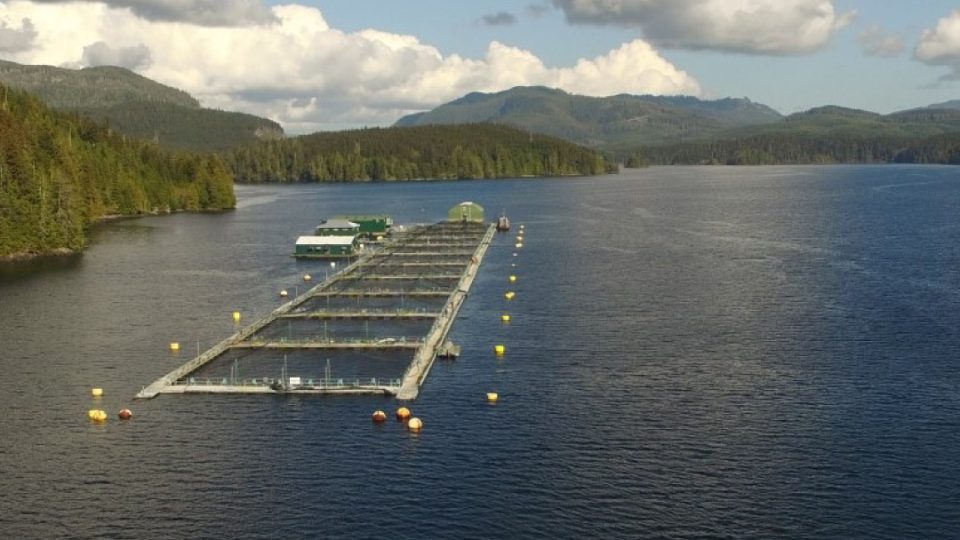
Mowi started 2026 with its second-best first quarter ever, reporting operational profits of EUR 221 million on seasonally record-high revenues of EUR 1.54 billion.
The company harvested 136,000 tonnes during the quarter and expects total harvest volumes to reach 605,000 tonnes in 2026, consolidating the strong growth achieved in recent years. In just a few years, Mowi has expanded from a 400,000-tonne producer to more than 600,000 tonnes annually.
Despite weaker salmon prices caused by exceptionally high global supply growth of 14% during the quarter, Mowi maintained solid profitability supported by operational improvements and lower farming costs.
“Mowi continues to deliver record volumes and very strong operational and biological performance,” said Ivan Vindheim, CEO of Mowi.
One of the key messages from the quarter was Mowi’s outlook on the future of global salmon production growth. According to the company and market estimates from Kontali, supply growth is expected to normalise to nearly 0% of the remainder of 2026 and to around 1% in 2027.
Mowi believes regulatory restrictions and technological limitations will continue to constraint industry expansion in the coming years, creating a tighter market environment that favours efficient and vertically integrated producers.
Mowi Farming reduced costs by 7.3% year-on-year, while the group’s consumer products division achieved a record first-quarter volume of 70,000 tonnes product weight, up 21% from the previous year.
Meanwhile, Mowi Feed expects feed sales to reach 650,000 tonnes in 2026, representing annual growth of 11%, following the expansion of its Bjugn feed factory.
The company’s results reinforce a broader trend within the salmon industry, where large producers are increasingly strengthening control across the entire value chain – from feed production to downstream processing – in response to a more competitive and capacity -constrained global market.

Related

Latest In-depth
-
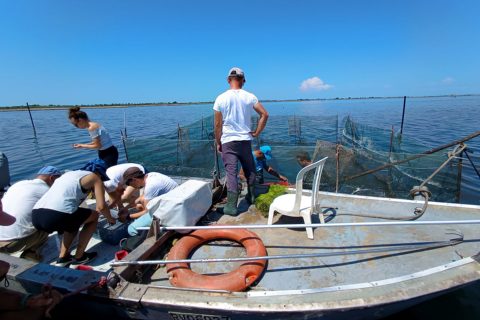
Clams more resistant to heat and Perkinsus: research paves the way for selective breeding
Padua, Italy, 16/10/2026 | University of Padua researchers explain to misPeces the findings presented at Aquaculture Europe 2026 and the steps needed to transfer them to hatcheries. Initial applications could emerge within the next two or three years, although the relationship between resistance, growth and other production traits still need to be assessed