
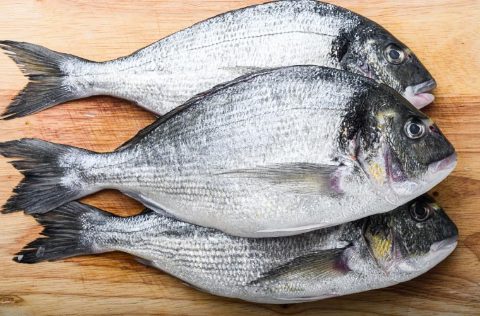
Fish slaughter in aquaculture has become one of the major unresolved challenges in animal welfare. A review published in PeerJ analyses the main stunning methods used by the sector and concludes that, although pre-slaughter stunning represents an improvement over practices such as asphyxia or ice slurry, there is still no ideal method that works consistently across all species, fish sizes and production conditions.
The study notes that most aquaculture fish produced globally are still slaughtered without prior stunning, which may expose them to pain, fear and stress over prolonged periods.
In Europe, the debate is taking on increasing regulatory significance, as the basic principle of humane slaughter requires animals to close consciousness immediately and not recover it before death. In fish, however, this remains difficult to demonstrate under commercial conditions.
The review compares dry or semi-dry electrical stunning, in-water electrical stunning, percussive stunning, carbon dioxide and other gas mixtures. Electrical and percussive systems appear to offer the greatest potential, as they can induce rapid loss of consciousness when applied with the right energy, precision and technical parameters.
However, their effectiveness depends on the species, fish size, orientation, equipment load, operator skill and the speed with which the subsequent killing method is applied.
Gas-based methods, particularly carbon dioxide, perform less favourably from a welfare perspective.
According to the authors, they can trigger aversive responses, escape movements, physiological stress and a slow or not always sustained loss of consciousness.
In addition, all the systems reviewed present common risks: pre-slaughter crowding, handling, air exposure, stunning failures, recovery of consciousness before death and the lack of reliable practical indicators to confirm that the fish is truly unconscious.
Strengths and limitations of the main stunning methods used in aquaculture
| Stunning method | Welfare potential | Main limitations |
|---|---|---|
| In-water electrical stunning | High, if properly parameterised | Can induce rapid unconsciousness, but carries a risk of stunning failures, recovery of consciousness and the need for validation by species, size and commercial conditions. |
| Dry or semi-dry electrical stunning | High, if applied precisely | Requires air exposure, correct fish orientation and strict control of electrical parameters to avoid incomplete stunning. |
| Percussive stunning | High, if the impact is accurate and sufficient | Can cause immediate unconsciousness, but depends on the accuracy of the blow, fish size, the equipment used and operator skill. |
| Carbon dioxide | Low | Associated with aversive responses, stress, escape attempts and a slow or not always sustained loss of consciousness until death. |
| Other gas mixtures | Low or uncertain | Available evidence is limited and there are indications of aversive responses similar to those observed with CO₂-based gas methods. |
Source: compiled by misPeces from Lambert et al. (2026), PeerJ.
In light of this study, fish welfare at slaughter appears to be entering a phase of technical verification. It will no longer be enough to state that stunning is being applied; it will also be necessary to demonstrate that the method used is immediate, reliable, adaptable to the species, validated under commercial conditions and supported by control protocols.
To achieve this, as highlighted in the review, further research will be needed, alongside technological innovation, staff training, the identification of consciousness indicators that can be applied on farms, and clear regulation capable of reducing welfare risks.

Related

Latest In-depth
-
Clams more resistant to heat and Perkinsus: research paves the way for selective breeding
Padua, Italy, 16/10/2026 | University of Padua researchers explain to misPeces the findings presented at Aquaculture Europe 2026 and the steps needed to transfer them to hatcheries. Initial applications could emerge within the next two or three years, although the relationship between resistance, growth and other production traits still need to be assessed