
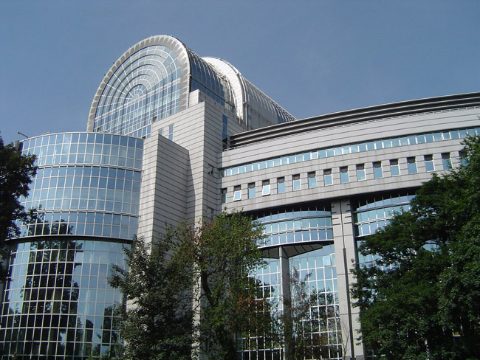
Brussels is seeking to reopen the debate on administrative simplification in fisheries and aquaculture at a time when external dependency has become a structural feature of the European food system. The European Parliament will hold a public hearing on 6 May to address the regulatory burden facing the sector, with the aim of restoring competitiveness against third countries.
A recent study commissioned by the institution itself has already confirmed the scale of the challenge: more than 80% of fish consumed in the European Union comes from imports and, when adjusted for real trade flows, domestic production accounts for just 14.2% of total consumption.
Far from being a temporary imbalance, this situation reflects a sustained trend over the past decade, marked by the gradual erosion of productive capacity in the face of more dynamic competitors.
The causes are well known, though no less complex. Europe operates with significantly higher costs in energy, labour and inputs, while productivity remains below that of countries such as Norway and Turkey, which have embraced more intensive and scalable production models. This is compounded by the stagnation of European aquaculture, which has failed to translate its strategic potential into tangible growth.
In this context, the regulatory framework takes on a decisive role. Aquaculture, expected to be the main driver of sectoral expansion, continues to be constrained by lengthy administrative procedures, limited access to space and water, and complex licensing processes.
These barriers not only slow the development of new projects, but also discourage investment and limit the ability to scale operations, widening the gap with third-country producers.
The result is an increasingly difficult paradox to sustain. The European Union leads in sustainability standards and control, yet is losing ground in productive terms and reinforcing its dependence on external markets.
The 6 May hearing aims to provide a political response to this situation, focusing on the real impact of bureaucracy on the sector’s day-to-day operations. However, the underlying question remains unresolved: whether administrative simplification alone can reverse a trend driven by structural factors such as cost competitiveness, access to finance and the design of trade policy.
Reducing bureaucracy appears to be a necessary condition, but not a sufficient one. Regulation can no longer be assessed solely through the lens of sustainability; its economic impact is direct and cumulative. And in that balance, Europe has been steadily losing ground in a sector it paradoxically considers strategic.

Related

Latest In-depth
-
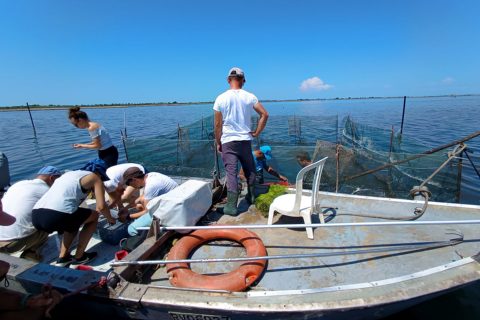
Clams more resistant to heat and Perkinsus: research paves the way for selective breeding
Padua, Italy, 16/10/2026 | University of Padua researchers explain to misPeces the findings presented at Aquaculture Europe 2026 and the steps needed to transfer them to hatcheries. Initial applications could emerge within the next two or three years, although the relationship between resistance, growth and other production traits still need to be assessed