
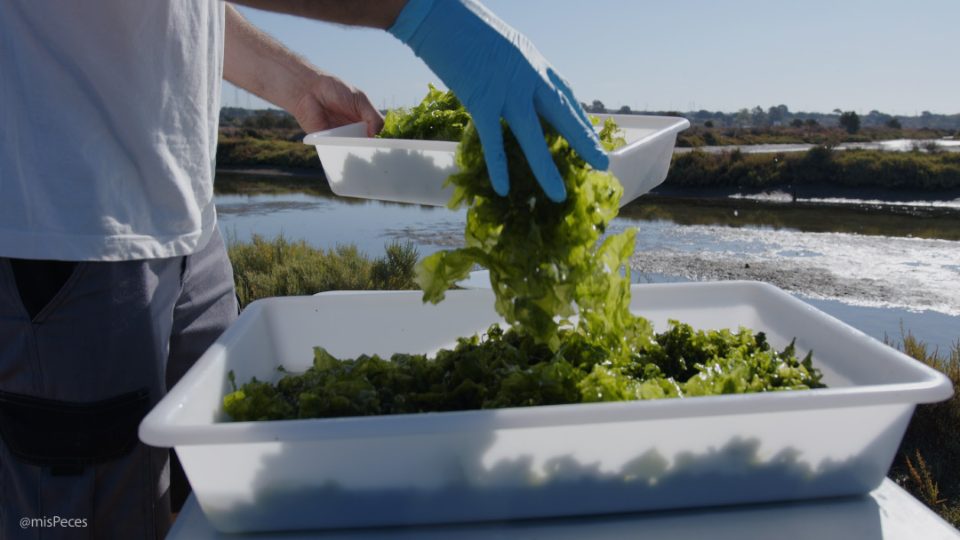
Seaweed aquaculture is expanding rapidly as part of the global blue economy, but disease is emerging as a critical bottleneck. Recent evidence shows that outbreaks can wipe out up to 50% of biomass and account for 30–50% of production costs, with cases such as ice-ice disease — a stress-driven condition that causes tissue whitening and fragmentation of the algae — generating losses of around $100 million annually in key producing regions.
What is changing is not just the scale of the problem, but how it is understood. The traditional model – one pathogen, one disease – is proving insufficient. In seaweed farming, disease often arises not from external infection but from internal imbalance.
Microbial communities associated with the host, essential fur nutrient uptake and protection, can shift under stress conditions such as temperature, salinity or high stocking density, turning previously beneficial bacteria into opportunistic pathogens.
This has led to a shift toward the concept of the holobiont, where the seaweed and its microbiome function as a single system. Health, therefore, depends on the stability of that system rather than the absence of pathogens. The implication for the industry is significant: disease management is moving from reactive control to prevention base on maintaining microbial balance.
Strategies such as microbiome modulation, selective breeding of resilient strains, improved site selection and the adoption of integrated multi-trophic systems are gaining traction, while advances in omics technologies are enabling earlier detection of disease risk.
However, most of these approaches remain at experimental or pilot stage and are not yet validated at commercial scale, particularly in open marine environments.
At the sector scales, this gap between scientific insight and operational practice becomes increasingly critical. Unlike other aquaculture segments, seaweed farming still lacks standarised health monitoring systems and robust biosecurity frameworks, increasing its exposure to systemic risk.

Related

Latest In-depth
-
Clams more resistant to heat and Perkinsus: research paves the way for selective breeding
Padua, Italy, 16/10/2026 | University of Padua researchers explain to misPeces the findings presented at Aquaculture Europe 2026 and the steps needed to transfer them to hatcheries. Initial applications could emerge within the next two or three years, although the relationship between resistance, growth and other production traits still need to be assessed