

The decline in marine ingredient production forecast for 2026 is expected to be temporary, but periods of scarcity will return. Feed manufacturers and aquaculture producers will therefore need to prepare for future fluctuations in supply, says Enrico Bachis, IFFO’s Market Research Director, in an interview with misPeces.
Bachis describes the current situation as a “perfect storm”: several factors are affecting major producing countries at the same time. These include El Niño in Latin America, lower quotas in Europe and regulatory changes in countries such as Morocco and Mauritania, where priority is being given to fish for direct human consumption, limiting the supply available for fishmeal and fish oil production.
According to Bachis’s estimates, global fishmeal production will reach 4.44 million tonnes in 2026, the lowest figure in IFFO’s historical series, which dates back to the 1970s. Fish oil production is expected to be around 1.15 million tonnes, its lowest level since 2016.
Recovery is expected to begin in 2027, particularly in the second half of the year, and could be complete by 2028. For next year, Bachis forecasts between 5.3 and 5.4 million tonnes of fishmeal and between 1.2 and 1.3 million tonnes of fish oil. Both figures would remain below the levels recorded in 2024 and 2025.
More sources of EPA and DHA
Scarcity and higher prices for fish oil have accelerated the inclusion of algal oil in aquafeed as a source of EPA and DHA. Bachis believes feed manufacturers have changed their outlook: although algal oil may be expensive when marine oil supplies recover, it can provide security during periods of scarcity. He therefore expects it to remain part of feed formulations.
Bachis argues that these ingredients should be viewed as additional sources rather than substitutes. Demand for aquafeed will grow and, in his view, more ingredient sources will be needed to meet it. He also points out that fishmeal provides EPA and DHA, a contribution that makes it difficult to replace the ingredient fully with other raw materials.
Consumption figures depend on which uses are included
Consumption estimates can differ depending on which categories are counted. Some mainly cover aquaculture and direct human consumption; Bachis also includes other uses, such as biofuel, cooking oil and pig feed. These latter uses, however, rely on pangasius oil, which contains very little of the prized omega-3 fatty acids.
In the direct human consumption sector, he sees improved use of oil since the 2023 crisis. The industry is using more concentrates and recovering fractions that were previously unused. According to the figures he discusses, crude oil use in 2025 rose compared with 2024 but remained below the 2023 level.
Growth in this market is concentrated mainly in Asia, particularly China.
Bachis also highlights the influence of consumer perceptions on the adoption of new ingredients. A raw material may be suitable from a technical and nutritional perspective, but its origin can prompt a negative reaction if it is not explained clearly. The industry should therefore consider how these changes will be communicated to consumers.
Related

Latest news
-
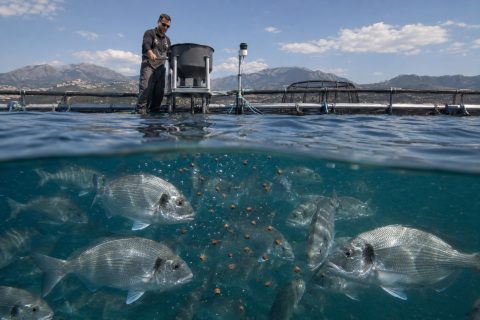
Three decades of seabream escapes in the Ionian Sea show no detectable genetic changes in wild populations
Greece, 16 November 2026 | Researchers from the Universities of Patras and Crete used 15 microsatellite genetic markers to examine genetic variation in wild gilthead seabream populations between 1994 and 2024.
-

EU agrees common framework for fisheries and aquaculture statistics
Brussels, 13 November 2026 | The provisional agreement would bring five regulations together under a single law and establish a data portal managed by Eurostat
-
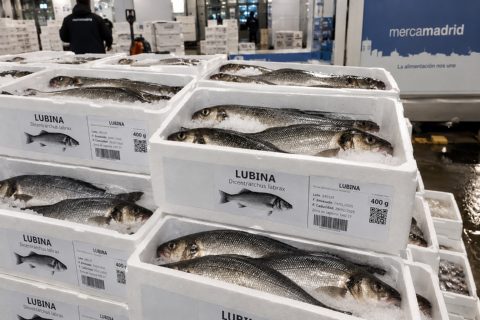
EU self-sufficiency in European seabass reaches 80%, compared with 68% for gilthead seabream
Brussels, 13 November 2026 | EU seabream supply fell by 6% in 2025 to 149,000 tonnes. Türkiye accounted for most extra-EU imports of both species, according to Seafood Europe