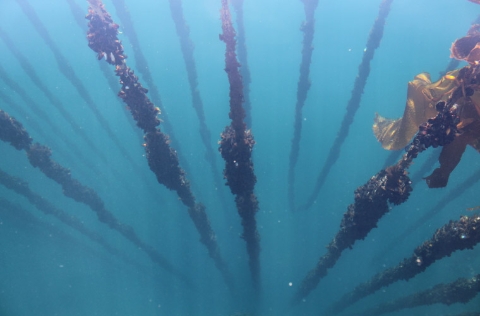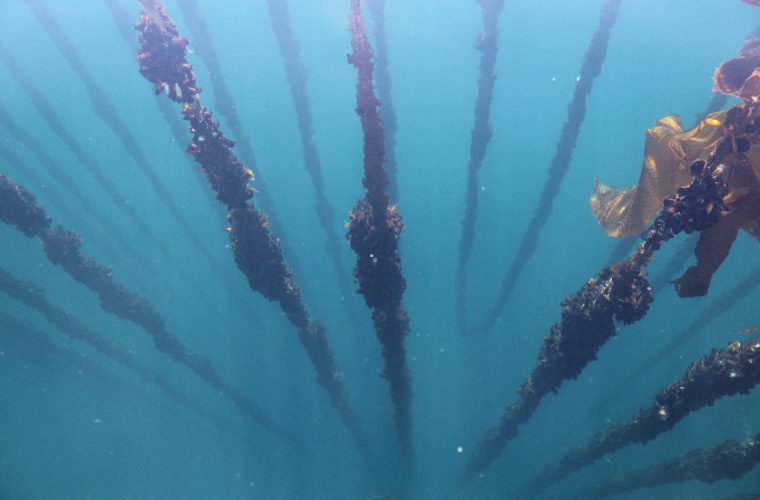
Bivalves such as mussels, oysters and clams are widely regarded as some of the most environmentally sustainable animal protein sources available today. However, one question continues to divide the scientific community: how should the carbon stored in their shells be accounted for, and what does this mean for assessing their actual contribution to climate change mitigation?
Sustainability is becoming increasingly important in purchasing decisions, investment strategies and environmental regulation. As a result ,understanding the true environmental footprint of bivalve aquaculture is attracting growing attention from producers, investors and policymakers alike.
An international review published in Reviews in Aquaculture examined 31 life cycle assessment (LCA) studies conducted between 1990 and 2024 on the farming of bivalve molluscs. Rather than challenging their strong environmental performance, the study highlights the methodological differences that still exist when quantifying some of the ecosystem services provided by these species, particularly those related to the carbon cycle.
Methodology shapes the outcome
One of the central issues concerns the role of shells in the global carbon balance. As bivalves grow, they incorporate carbon into their shells in the form of calcium carbonate. However, scientists remain divided on whether this process should be considered an affective form of carbon sequestration on whether the chemical reactions associated with calcification offset part of that storage.
According to the authors, methodological differences between studies are substantial. Some researchers regard shells as a long-term carbon reservoir, while other argue that the chemical processed involved significantly reduce their climate mitigation potential.
This lack of consensus helps explain why similar farming systems can generate different sustainability assessment and why claims regarding the carbon sink potential of bivalve aquaculture should be treated with caution.
Sustainability depends more on operations than on the animals themselves
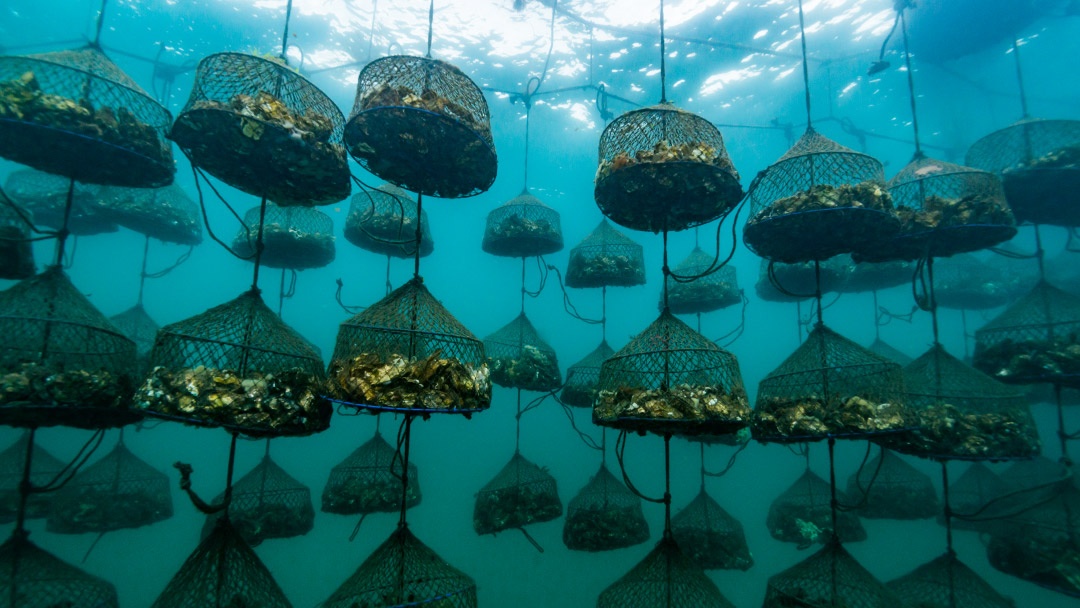
Beyond the carbon debate, the review identifies a common pattern across most life cycle assessment: the main environmental impacts are not generated by the farmed organisms themselves but by the activities required to produce and market them.
Energy consumption, fuel use, transport, plastic materials and farming infrastructure consistently emerge as the most significant contributors to environmental impacts.
From a production perspective, this finding is particularly relevant. Future sustainability gains are likely to depend more on improving energy efficiency, optimising logistics and reducing material footprints than on changes to the biology of farming systems.
A sector well positioned for future environmental demands
The review concludes that bivalves are likely to maintain a prominent role in sustainable food production strategies. However, the researchers note that the methodologies used to evaluate sustainability continue to evolve.
The integration of ecosystem services, biodiversity effects, nutrient removal and the true role of shells in the carbon cycle are among the issues expected to shape the next generation of environmental assessment.
For European shellfish farming, particularly in major producing regions such as Galicia, the environmental advantages of bivalve aquaculture remain well supported by scientific evidence.
Nevertheless, future sustainability discussions will focus not only in production volumes but also on how the sector’s environmental benefits and impacts are measured within an increasingly climate-conscious economy.
Reference
Environmental Sustainability of Bivalve Aquaculture: A Review of Life Cycle Assessment Studies. Reviews in Aquaculture, 2026.

Latest news
-
Are we measuring the sustainability of aquaculture feeds wrong?
United Kingdom, 23 June 2026 | Factors such as affordability, resource distribution and sustainable fisheries management remain essential components of the discussion
-
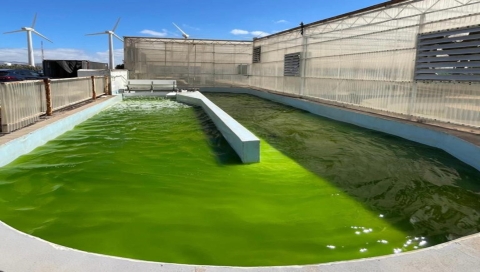
We know microalgae work in aquafeeds. The question now is what it will take to them to reach commercial scale
By Alejandro Guelfo, editor of misPeces | 23 June 2026
-