


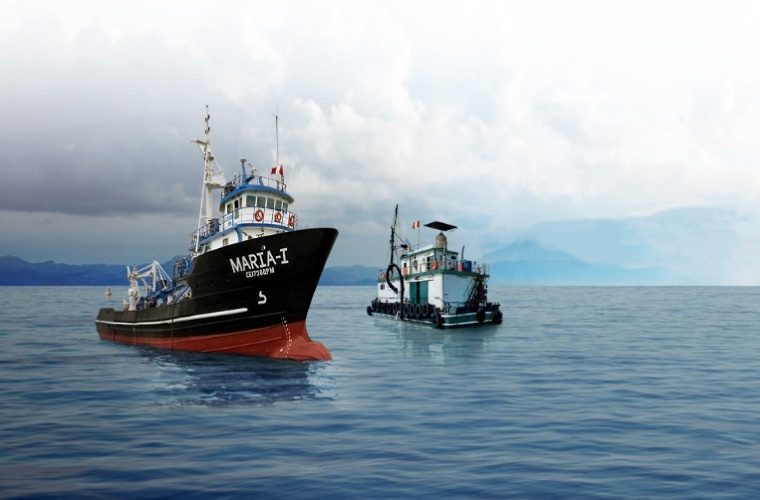
Peru officially closed the first 2026 anchovy fishing season in the north-central zone with 471,111 tonnes landed, 24.61% of a quota of 1,914 million tonnes. Behind the figure lies a deliberate decision: the high presence of juveniles, advancing reproductive activity and poor body condition in the anchovy led authorities to prioritise recruitment over catch.
For aquaculture, the reading is straightforward: less fishmeal and fish oil from one of its principal sources worldwide.
But the problem is not just one of volume. Fishmeal can be partially substituted – plant-based concentrates, processed animal proteins, insects, microbial biomass – provided digestibility, amino acids, palatability and anti-nutritional factors are properly balanced.
Fish oil is another matter altogether: it supplies EPA and DHA, omega-3 fatty acids that conventional vegetable oils cannot replicate in equivalent quantities. A tighter supply inevitably means higher costs and fresh reformulation, particularly for marine fish, broodstock and early life stages.
How is the sector responding? Through three approaches that are now taking shape as strategy rather than stopgap.
The first is selective allocation: reserving marine ingredients for where they generate the most value – larvae, broodstock, demanding life stages – while other stages adopt formulation with lower inclusion rates, and finishing diets restore EPA and DHA content before harvest. This marks a departure from applying uniform levels of marine ingredients across the whole production cycle.
The second is combining sources rather than seeking a single substitute for anchovy: processed plant proteins, fishery co-products, animal proteins, insects and microbial products can complement one another, while microalgae oils and other omega-3-enriched sources offer a direct route to EPA and DHA – though their growth will depend on expanding industrial capacity, falling costs and sufficiently stable supply to formulate feed at scale.
The third is squeezing more value from existing resources: greater use of trimmings, viscera and other fish-processing by-products can widen the fishmeal and fish oil supply without adding pressure on target fisheries, while improved feed conversion through genetics, health, husbandry and precision feeding cuts the amount of feed needed per kilogramme produced.
Here, production efficiency becomes, in effect, a supply-security strategy.
Peru’s closure does not leave aquaculture without feed, but it does expose the vulnerability of relying on raw materials subject to environmental and biological swings.
The most realistic response will combine flexible formulations, alternative omega-3 sources, by-product utilisation, supplier diversification and more selective use of marine ingredients. The industry does not need to do without fishmeal and fish oil – it needs to deploy then where their nutritional and productive contribution is hardest to replace.

Latest news
-
Less anchovy in Peru: what options does aquaculture have now?
Global, 24/08/2026 | The clousure of Peru’s first season with barely a quarter of the quota caught is not simply a fishing statistic: it is a warning sign for the entire aquaculture chain, which is seeing access narrow to two of its hardest-to-replace inputs
-
Marine heatwaves narrow the operating margin for Mediterranean aquaculture
Mediterranean, 24 August 2026 | Gilthead seabream may initially benefit from warmer waters, but more days above 28ºC increase thermal stress, while European seabass and shellfish are more vulnerable
-
Aquafeed growth in China puts a tight fishmeal and fish oil market to the test
London, 21 August 2026 | China increased feed production by 17.4% in the first half of the year, while Peru harvested only around 25% of its anchovy quota before the fishing season was suspended