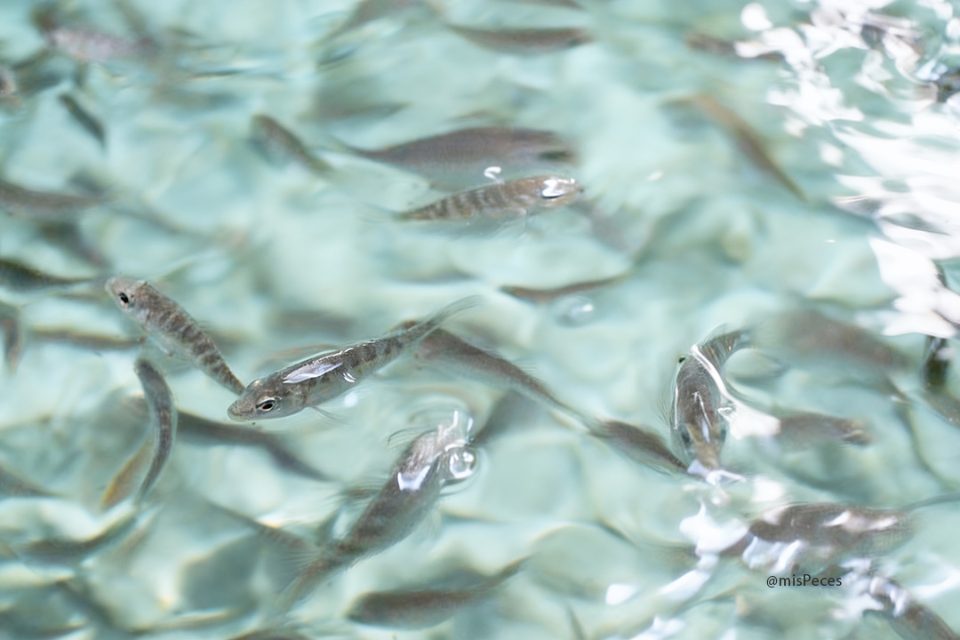
Although Spain has specialised hatcheries and produces tens of millions of gilthead seabream and European seabass juveniles every year, domestic supply is not sufficient to meet the full demand of grow-out farms. Commercial production of both species therefore continues to depend partly on juveniles supplied from abroad.
According to APROMAR’s latest Aquaculture in Spain report, 20.7 million gilthead seabream juveniles and 54.5 million European seabass juveniles were produced in Spain in 2024, a combined total of just over 75 million fish.
Even so, the report states that domestic production needs to be supplemented with imported juveniles to meet grow-out requirements. The main countries of origin are, in order of importance, France, Italy and Greece.
This is particularly relevant because gilthead seabream and European seabass are two of the pillars of Spanish marine fish farming, and any change in juvenile availability can affect farms’ stocking capacity.
Fewer European seabass juveniles expected in 2025
The balance between domestic production and imports could become even more important in 2025.
APROMAR estimates that Spanish production of European seabass juveniles could fall from 54.5 million fish in 2024 to around 40 million in 2025.
For gilthead seabream, by contrast, the outlook is positive, with production expected to rise from 20.7 million to approximately 23.4 million juveniles.
These changes do not necessarily imply an equivalent decline in future commercial production, as companies can turn to the European market to meet their stocking needs. They do show, however, that Spain’s grow-out capacity and domestic juvenile production do not operate as a fully self-sufficient system.
An integrated Mediterranean market
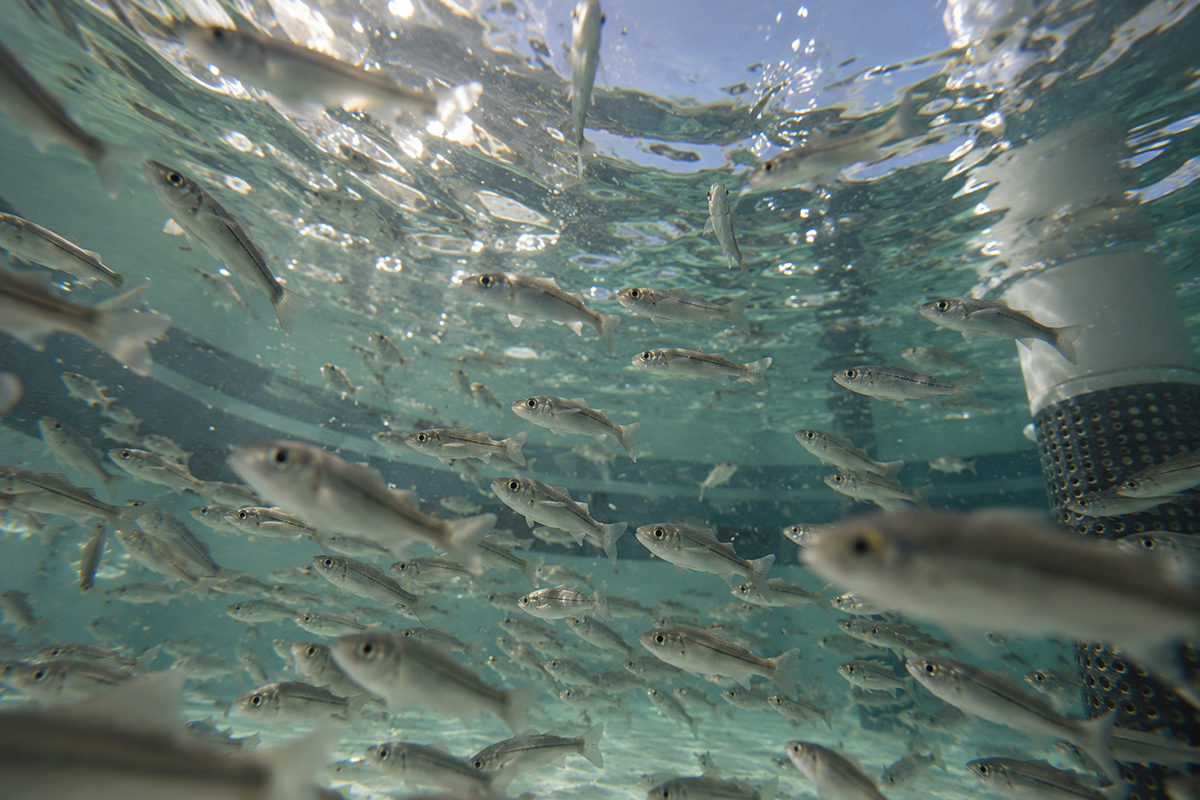
This dependence should be understood within a highly integrated Mediterranean juvenile market, in which Türkiye, Greece, Italy, France and Spain account for a significant share of regional production.
For Spanish farms, this specialisation makes it possible to supplement domestic juvenile supply and maintain a grow-out capacity greater than that which could be supported by Spanish hatcheries alone. At the same time, it means that part of production depends on the availability and price of juveniles sourced from abroad.
Ensuring an adequate supply of juveniles is therefore a basic condition for maintaining or expanding production, alongside grow-out capacity, feed, farming licences and market demand.
Partial reliance on imports does not necessarily represent a weakness within a specialised Mediterranean market, but it does make juvenile supply a strategic factor in the future growth of Spanish gilthead seabream and European seabass production.
Latest news
-
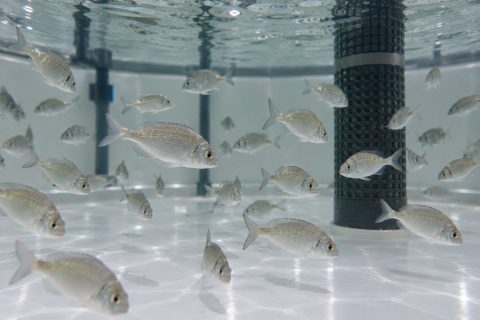
Can the time of year alter gilthead seabream’s response to feed?
Castellón, Spain, 30 October 2026 | A study by IATS-CSIC found that seasonal timing had a greater influence than diet on the composition of gilthead seabream microbiomes. Dietary effects were temporary and differed between the skin and intestinal mucosa
-
CTAQUA identifies virulence differences among strains of three bacteria relevant to aquaculture
El Puerto de Santa María, 29 October 2026 | The centre has characterised 13 strains of Aeromonas veronii, Lactococcus garvieae and Vibrio harveyi. Differences in mortality observed under controlled conditions highlight the importance of strain selection when assessing treatments, vaccines and preventive measures
-
Falling salmon prices drive a 46% decline in Norwegian aquaculture profitability
Norway, 30 October 2026 | Higher salmon supply, following a year of improved production conditions, helped put downward pressure on prices as pre-tax profits fell to NOK 7.7 billion