
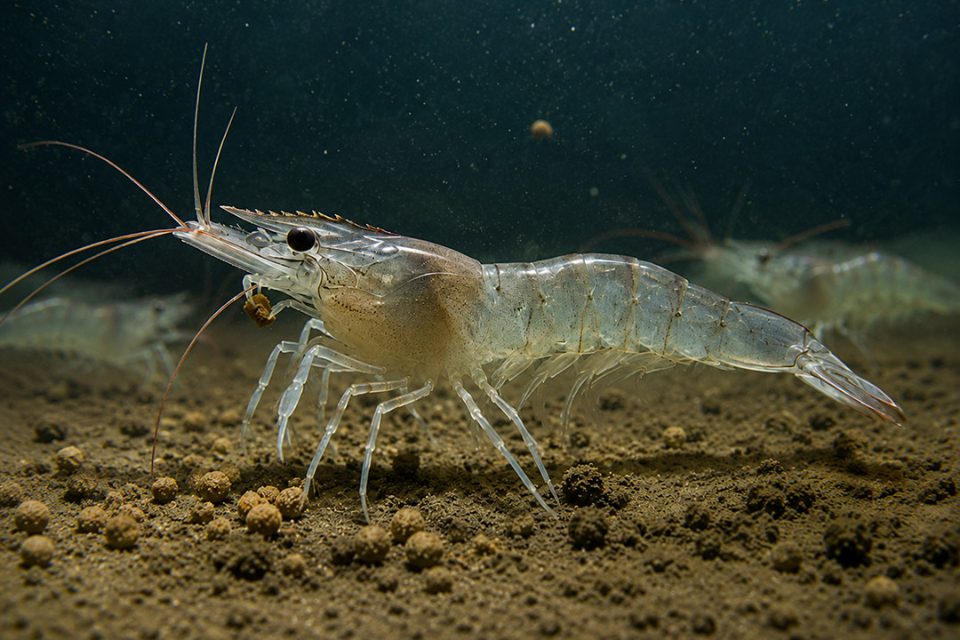
Using lactic acid bacteria found in food as vehicles for transporting antigens represents an emerging strategy for developing preventive solutions in crustacean aquaculture
This approach has been evaluated against white spot syndrome virus in Pacific whiteleg shrimp, one of the pathogens with the greatest impact on global shrimp production.
The main distinguishing feature of the technology is the use of Pediococcus pentosaceus, a food-grade lactic acid bacterium, as a carrier for VP28, a protein found in the viral envelope.
The protein is produced separately with an anchoring domain that binds spontaneously to the peptidoglycan in the bacterial cell wall, coating the bacterium with the antigen without genetically modifying it.
This approach could reduce some of the regulatory and environmental difficulties associated with using recombinant microorganisms in ponds and open aquaculture systems.
Other platforms have used yeast, bacterial spores or modified vectors to produce or display VP28. In this case, external immobilisation preserves the microorganism’s function as a carrier without releasing a genetically modified bacterium into the farming environment.
To assess the feasibility of the system, the researchers fed juvenile Penaeus vannamei for seven days with a diet coated with the antigen-carrying bacterium.
Following experimental exposure to the virus, cumulative mortality on day seven was 17.5% in the treated group, compared with 80% in the control group, representing a relative percentage survival of 76.25%. The survivors also showed lower viral loads and less severe tissue damage.
The results provide proof of concept, but the system cannot yet be regarded as a vaccine the bacterium and antigen remained in the digestive tract.
Further work is also needed to assess their resistance during feed manufacturing and storage, stability under digestive pH and enzyme conditions, and whether continuous administration or booster doses would be required.
The potential value of the strategy extends beyond white spot disease. Its modular design could, in principle, allow the antigen, carrier bacterium or both to be changed to explore applications against other pathogens and in other aquaculture species.
Should the platform demonstrate sufficiently durable protection, industrial stability and economic viability, the use of food-grade bacteria as non-GM delivery systems could make it easier to integrate preventive health measures directly into routine crustacean feeding practices.

Related

Latest In-depth
-

Ocean Aquaculture begins work on Spain hatchery designed to produce eight million greater amberjack juveniles a year
Almería, Spain, 9 September 2026 | The first phase will involve an investment of around €15 million and is expected to begin production in January 2028, supplying both the group’s future offshore farms and other Mediterranean producers