

Advances in machine learning are impacting all areas of human activity, with aquaculture being no exception. One of the most remarkable advantages is the ability of these algorithms to process data and predict outcomes in a way that surpasses human capabilities.
One of the most promising applications relates to the use and optimisation of feed, as it directly affects the profitability and sustainability of aquaculture farms. Until now, traditional methods for estimating the impact of feeding frequency in fish have produced inconsistent results due to the wide variety of variables involved, such as the species of fish and their feeding habits, or the production systems, among others.
To address this complexity, machine learning models are being developed that allow for the simultaneous analysis of multiple factors, enabling highly accurate predictions of the feed conversion ratio (FCR) and average daily gain (ADG), two key indicators used to assess productivity at different levels: growth and feed efficiency.
In this regard, a recent study employed Gradient Boosting Machine, a specific machine learning method, to analyse 145 published studies on optimising feeding frequency in fish.
The meta-analysis examined herbivorous, omnivorous, and carnivorous species, each with its own characteristics. As a general conclusion, the results suggest that feeding four times a day maximises growth in most of the species studied, opening new possibilities for improving productivity in the aquaculture sector through the application of advanced technologies.
Additionally, thanks to machine learning, the ability to predict the effects of changes in feeding frequency is improved, and it can generate optimised feeding strategies to maximise efficiency and sustainability in aquaculture.
In the future, the use of Artificial Intelligence will not only help to formulate more efficient feeding strategies but also enhance the sustainability of production by reducing food waste and optimising resources.

Related

Latest In-depth
-
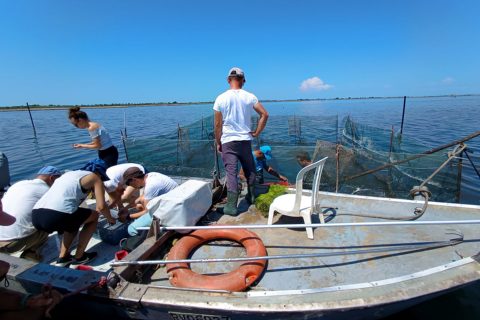
Clams more resistant to heat and Perkinsus: research paves the way for selective breeding
Padua, Italy, 16/10/2026 | University of Padua researchers explain to misPeces the findings presented at Aquaculture Europe 2026 and the steps needed to transfer them to hatcheries. Initial applications could emerge within the next two or three years, although the relationship between resistance, growth and other production traits still need to be assessed