
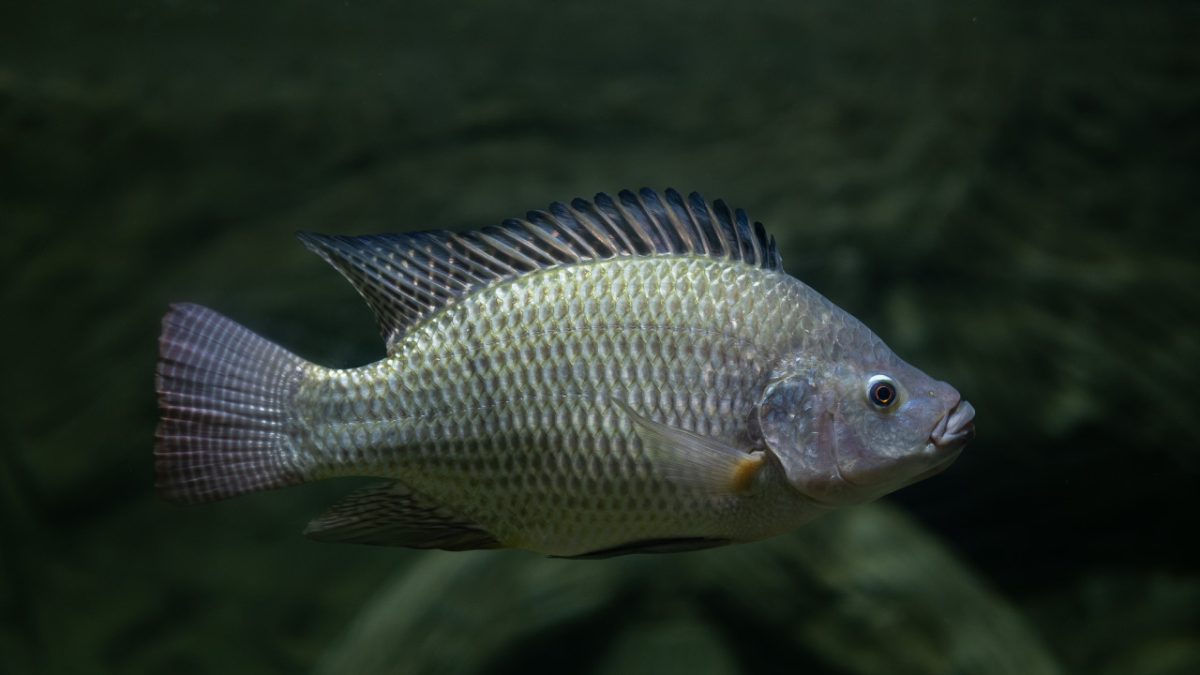
The Institute of Agrifood Research and Technology (IRTA) has launched the Bac4RumA project in collaboration with an international academic consortium. This project aims to develop an alternative to antibiotics based on bacteriocins, which are antimicrobial molecules produced by bacteria Lactococcus lactis.
Addressing the growing issue of antibiotic resistance, this project focuses on creating bacteriocin-rich extracts from the bacterium Lactococcus lactis to treat infections in ruminants and farmed fish, offering a low-cost solution ideal for developing countries.
Led by IRTA’s Ruminant Production and Aquaculture programs, Bac4RumA involves experts from universities in the United Kingdom, in Turkey, and Nigeria. The tests will be conducted on farms and fish farms in Nigeria to assess the effectiveness of the extracts on cows, sheep, goats, and tilapia.
As Anna Arís Giralt, project coordinator and researcher at IRTA, noted, "Our goal is to minimize the use of antibiotics by developing effective and low-cost molecules." She also added that they aim to provide "a comprehensive solution for infections affecting both ruminants and fish."
The bacteriocin extracts will be tested on animals to evaluate their effectiveness against infections caused by bacteria such as Staphylococcus aureus and Streptococcus agalactiae, which are common in ruminants and potentially devastating in fish farms. To this end, IRTA will develop modified strains of Lactococcus lactis that produce these bacteriocins efficiently and on a large scale.
One of the project’s most notable aspects is its focus on sustainability and technology transfer to developing countries. Nigerian PhD students will receive training at IRTA to learn how to produce these extracts, thereby ensuring local capacity for manufacturing and applying this innovative technology.
The project, which has a budget of one million euros funded by a Canadian foundation and the British government, is scheduled to be completed by December 2026. As it progresses, collaboration with local companies in Nigeria will be sought to boost on-site production. "If Bac4RumA achieves the expected results, it will be a significant breakthrough that will benefit both low-income countries and those with more developed economies," concludes Arís.

Related

Latest In-depth
-
Clams more resistant to heat and Perkinsus: research paves the way for selective breeding
Padua, Italy, 16/10/2026 | University of Padua researchers explain to misPeces the findings presented at Aquaculture Europe 2026 and the steps needed to transfer them to hatcheries. Initial applications could emerge within the next two or three years, although the relationship between resistance, growth and other production traits still need to be assessed