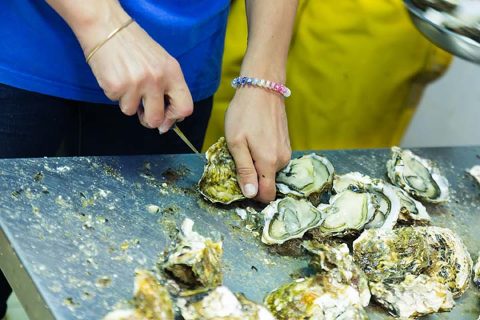
Climate change and water pollution triggered a norovirus outbreak in France late last year that hit the country's oyster producers hard, creating a health crisis and damaging the sector's reputation. The outbreak occurred during the peak season, when oyster producers earn 70% of their annual income, and affected 25 production areas in the country.
Similar situations have occurred in Ireland, where oyster contamination by norovirus was caused by untreated sewage overflows.
In response to this crisis, the Aquaculture Advisory Council (AAC) has published a document with recommendations on how to manage the norovirus problem and improve water quality in bivalve mollusk production areas, particularly oysters.
The significance of this document lies in its focus on protecting the bivalve mollusk sector in Europe, which is crucial to the economy of several regions, and in promoting sustainable management of aquatic resources.
The document emphasises the need for rapid implementation of the new Urban Waste Water Treatment Directive, which addresses not only norovirus but also other pollutants. It also highlights the importance of the 'polluter pays' principle and the need to provide guidance to Member States on how to protect waters used for shellfish farming.
The document proposes several recommendations for both the European Commission and Member States. It urges the Commission to provide clear guidelines to the States on implementing the new Directive, focusing on wastewater surveillance, norovirus monitoring, and evaluating the effectiveness of water treatments. It also suggests closely monitoring the protection of shellfish farming waters under the Water Framework Directive, promoting the exchange of best practices, and considering previous recommendations on norovirus contamination.
Member States are encouraged to quickly adopt the Directive and integrate it into their national legislations. They are also recommended to include norovirus in wastewater monitoring parameters, assess treatment effectiveness, and set clear goals to reduce contamination, such as separating stormwater and domestic wastewater systems to prevent overflows that impact shellfish production areas.
Download document:

Related

Latest In-depth
-
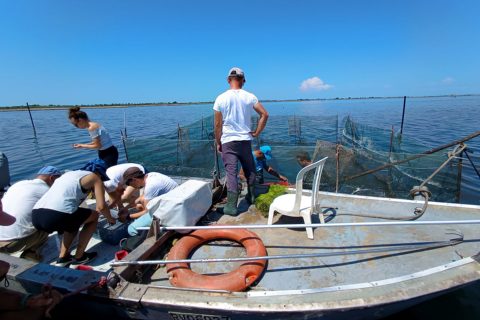
Clams more resistant to heat and Perkinsus: research paves the way for selective breeding
Padua, Italy, 16/10/2026 | University of Padua researchers explain to misPeces the findings presented at Aquaculture Europe 2026 and the steps needed to transfer them to hatcheries. Initial applications could emerge within the next two or three years, although the relationship between resistance, growth and other production traits still need to be assessed