As aquaculture is becoming a vital food source for a growing global population, there is a pressing need to effectively communicate the advancements and challenges of this industry. While significant progress has been made in some areas, others still require more attention.
During the World Aquaculture Conference in Copenhagen (AQUA 2024), the importance of building trust and consumer perception is being highlighted. Experts are clear in emphasizing the need to build trust through clear and transparent communication of sustainable practices and animal welfare in aquaculture.
As they point out, it is important to increase public awareness and acceptance, especially regarding European aquaculture, while avoiding “greenwashing,” a problem that could undermine the sector's credibility.
Moreover, in a context where European consumers are increasingly aware of sustainability and animal welfare, experts are discussing strategies to convey this information in an accessible and relevant manner, ensuring that certifications and animal welfare indicators are understood and valued by the public.
However, there are aspects of aquaculture communication that are not being addressed as deeply as would be desirable. Among others, there is a lack of depth in communicating the risks and challenges of aquaculture concerning critical issues such as climate change, diseases, and antimicrobial resistance.
These aspects, which are well known to the industry and academia, are not being explored as channels for communication to the public, investors, and regulators. Consumers need to understand not only the successes of the activity but also the challenges and how the industry is working to overcome them.
Education and knowledge transfer in local communities is another aspect that has not been given sufficient attention. While global communication strategies are well developed, local support, especially in regions where aquaculture can be crucial for the livelihood of these communities, seems less advanced. Promoting local capacity to adopt sustainable practices is essential for the sector's future growth.
Quality communication about the importance of aquaculture is fundamental, primarily to build trust and transparency. As aquaculture continues to grow, maintaining an open and honest dialogue with consumers will be vital, ensuring they are well informed about the industry's sustainable practices and challenges.

Related
Latest In-depth
-
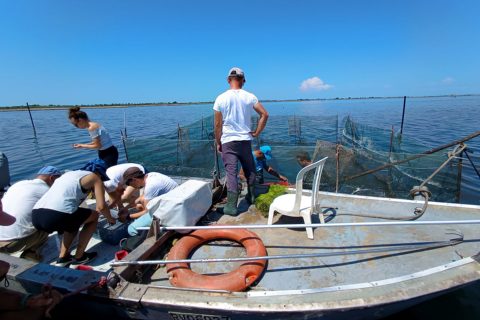
Clams more resistant to heat and Perkinsus: research paves the way for selective breeding
Padua, Italy, 16/10/2026 | University of Padua researchers explain to misPeces the findings presented at Aquaculture Europe 2026 and the steps needed to transfer them to hatcheries. Initial applications could emerge within the next two or three years, although the relationship between resistance, growth and other production traits still need to be assessed