
The next edition of the European Aquaculture Conference, AE2026, which will take place in Ljubljana, Slovenia, from 28 September to 1 October 2026, will offer a broad perspective on the major challenges shaping the future of European and international aquaculture: adapting production systems to global change, improving how the sector communicates with external audiences, and advancing towards more efficient, lower-emission production.
Under the theme “Aquaculture in Global Change”, the AE2026 plenary sessions outline an agenda that extends well beyond isolated technological innovation.
The conference will focus on how aquaculture can strengthen its capacity to respond to environmental, economic, regulatory and social changes that are already influencing production, investment, public acceptance and industry competitiveness.
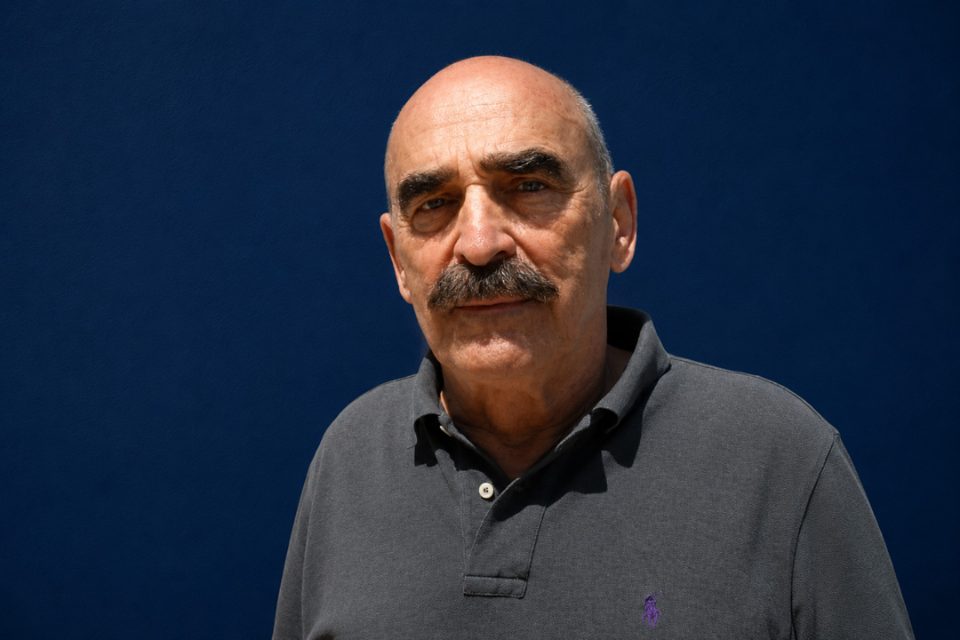 Jurica Jug-Dujaković |MJD Consulting
The first plenary session, delivered by Jurica Jug-Dujaković of MJD Consulting, will explore the transition from sustainable aquaculture to resilience aquaculture. His presentation will examine how climate change affects not only farmed species, but also supply chains, feed ingredient prices, essential production services and the vulnerability of different farming systems.
The discussion will be particularly relevant for assessing which species, technologies and production models are best positioned to adapt to changing climatic conditions.
The session will also review emerging technologies, production methods and management strategies designed to improve the sector’s adaptive capacity. Areas of interest include integrated farming systems, circular solutions and examples where aquaculture is combined with agricultural or environmental activities to improve resource efficiency and reduce vulnerability.
 Larissa Lewis | SALT
The second plenary session will introduce a less technical but increasingly strategic dimension: the sector’s ability to communicate its value more effectively. Larissa Lewis, from SALT, and aquaculture content creator James Sibley will discuss how aquaculture research, innovation and production can move beyond traditional communication channels and reach audiences that influence the sector’s future, including consumers, investors, policymakers, entrepreneurs and future employees.
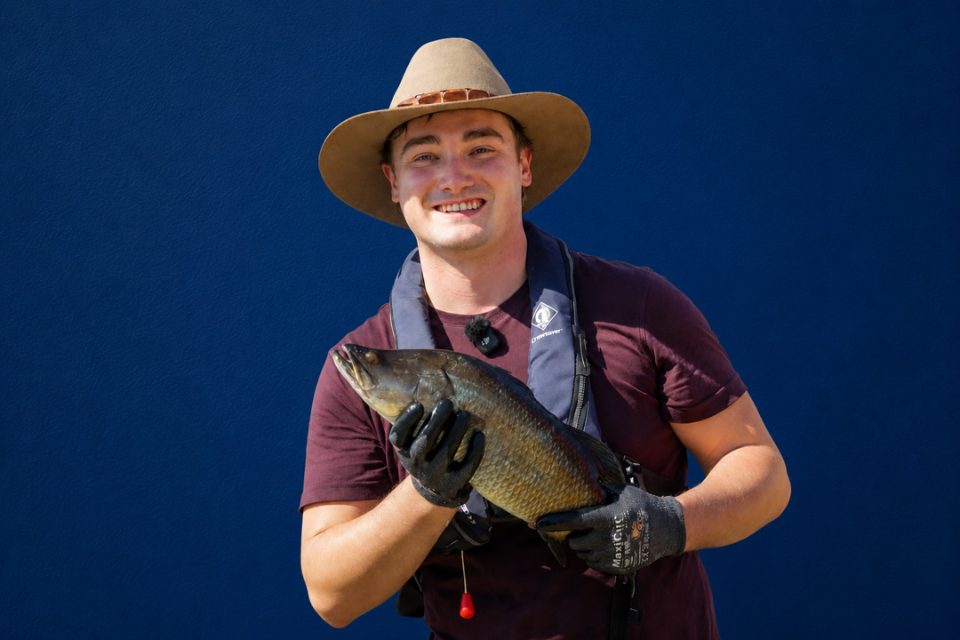 James Sibley
This session is built around an important reality for aquaculture: many advances in farming systems, nutrition, health management, technology and sustainability remain largely invisible outside the industry itself.
Communication is therefore no longer a secondary activity but a strategic tool linked to social acceptance, talent attraction, investor confidence and the transfer of scientific knowledge.
 Callum Howard | MRAG
The third plenary session, presented by Callum Howard, Senior Consultant at MRAG, will focus on pathways towards a more energy-efficient European aquaculture sector aligned with emissions reduction objectives.
His presentation will address the costs, regulatory barriers, technology adoption constraints and opportunities associated with aquaculture descarbonisation across the European Union.
One of the key issues to be explored will be the gap between the availability of solutions and their practical implementation, particularly in a European industry dominated by small and medium-size enterprises.
The session will also examine production model, but whose expansion still depends on progress in market development, spatial planning, regulation and commercial viability.
For misPeces, the conference represents an opportunity to closely follow how aquaculture priorities are being redefined in a context of global change. Coverage of the event will help connect scientific, business and regulatory discussions with the practical decisions that producers, technology companies, research organisation and public authorities will need to make in the years ahead.

Related

Latest In-depth
-
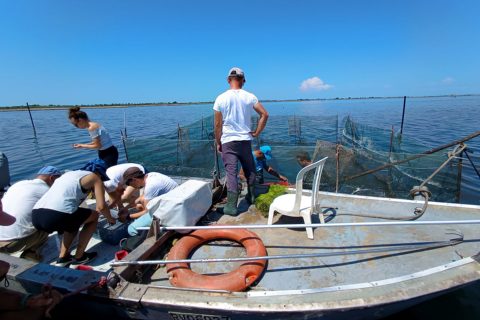
Clams more resistant to heat and Perkinsus: research paves the way for selective breeding
Padua, Italy, 16/10/2026 | University of Padua researchers explain to misPeces the findings presented at Aquaculture Europe 2026 and the steps needed to transfer them to hatcheries. Initial applications could emerge within the next two or three years, although the relationship between resistance, growth and other production traits still need to be assessed