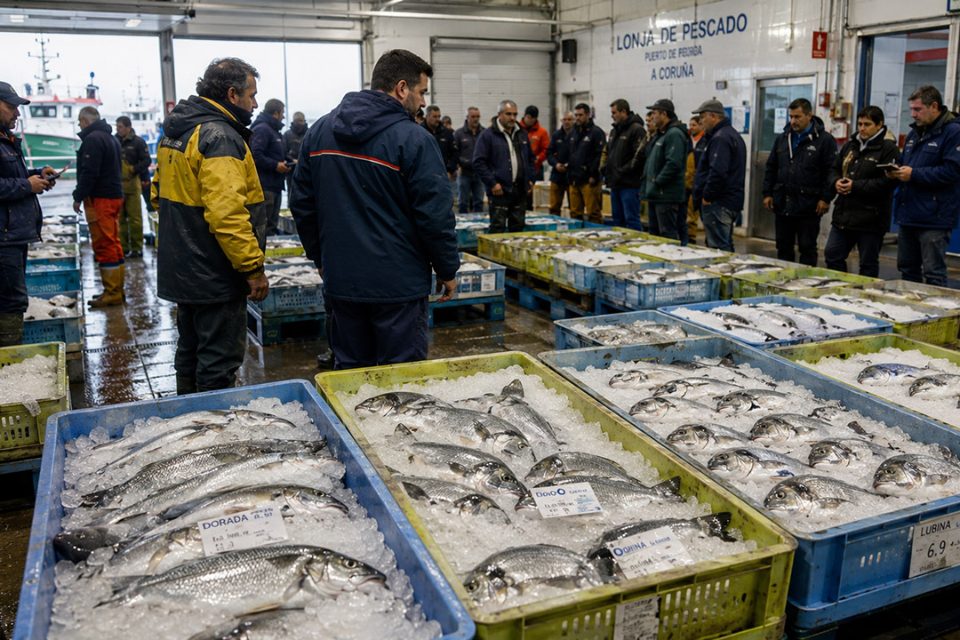
The fisheries, aquaculture and seafood-processing sectors have called on the European Commission to recognise aquatic foods as a strategic component of the European Union’s food security and protein autonomy.
The request comes from EUSeA, an alliance bringing together the main organisations representing fisheries and aquaculture interests in Europe, following the adoption of the European Protein Action Plan and the new EU Livestock Strategy.
The seafood organisations behind the alliance — EAPO, Europêche, FEAP, Seafood Europe and the European Mollusc Producers’ Association — argue that the approach emerging from Brussels remains focused largely on agricultural crops and the livestock sector.
The EU plan aims to increase the share of proteins from oilseeds and protein crops produced within the EU and used in animal feed from 25.8% to 35% by 2035. At present, approximately 74% of the proteins from these crops consumed in Europe are imported.
According to EUSeA, this approach leaves the debate on European food autonomy incomplete. Fisheries and aquaculture products already provide high-quality, nutritious protein, support industrial activity, employment and coastal communities and, in the case of aquaculture, also contribute to European demand for protein ingredients used in animal feed.
“Aquatic foods cannot remain at the margins,” the alliance states, calling for the combined contribution of aquatic food production, processing and trade to be formally recognised.
EUSeA argues that fisheries and aquaculture deserve equivalent political recognition for their contribution to food security, coastal resilience and the responsible management of marine resources.
Its main request is for the forthcoming Vision for Fisheries and Aquaculture 2040 to include a European Blue Foods Action Plan and to connect fisheries and aquaculture policies with the EU’s wider protein and food agendas.
The Commission is expected to present the vision during the third quarter of 2026, meaning that the sector is seeking to influence its design before the new strategic framework is finalised.
The alliance also argues that a European protein policy should make better use of by-products from fisheries, aquaculture and seafood processing.
EU-funded projects have already examined how these materials could be converted into food ingredients, nutraceuticals, biomaterials, fertilisers and other higher-value applications, as well as supporting new commercial value chains for invasive species and species with limited market demand.
The statement does not, however, set out a specific budget, timetable or policy instruments. Its immediate aim is to ensure that aquatic foods are formally recognised within the EU’s wider food-policy architecture.

Related
Latest In-depth
-
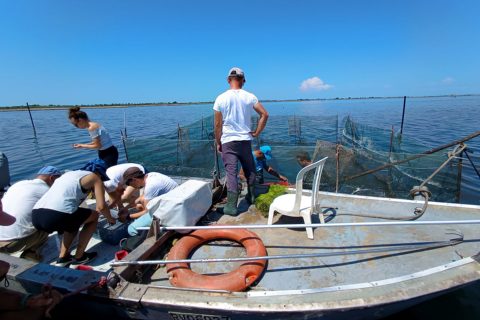
Clams more resistant to heat and Perkinsus: research paves the way for selective breeding
Padua, Italy, 16/10/2026 | University of Padua researchers explain to misPeces the findings presented at Aquaculture Europe 2026 and the steps needed to transfer them to hatcheries. Initial applications could emerge within the next two or three years, although the relationship between resistance, growth and other production traits still need to be assessed