
Aquaculture production stands out as one of the sectors with the greatest potential to contribute to the circular economy, thanks to its high efficiency in utilising animal and plant by-products, surpassing other protein-producing livestock systems.
Fish, with their highly efficient digestive systems, can extract nutrients from both animal and plant by-products. When it comes to plant-based sources, they can readily digest nutrients from materials like rice bran or soybean meal, improving the overall efficiency of the food chain, reducing dependence on primary crops, and providing a more sustainable alternative.
Unlike livestock farming, aquaculture diversifies protein sources without competing with human or animal food supplies. While terrestrial animals depend on crops such as soybeans or maize, fish can be fed a wider variety of ingredients, including fermented marine and plant by-products.
The high feed conversion ratio (FCR) efficiency of fish is another advantage, as they require less feed to produce the same amount of protein as livestock. As cold-blooded organisms, fish utilise nutrients more effectively, directing a larger proportion towards growth rather than body temperature regulation.
Moreover, aquaculture systems allow feeds to be adjusted according to the availability of by-products, offering a flexibility that livestock production does not have.
In summary, the use of more affordable by-products in fish feed reduces production costs, making aquaculture more profitable for producers and accessible to consumers. Furthermore, its ability to efficiently recycle by-products promotes a more circular, sustainable, and resilient food system, which is essential for feeding the world's growing population.

Related

Latest In-depth
-
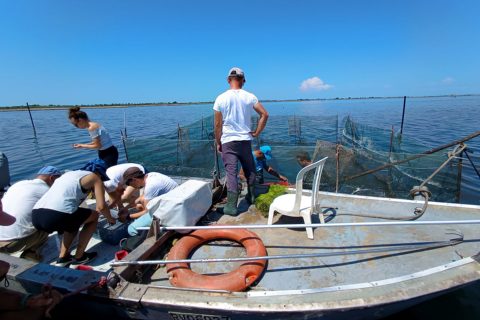
Clams more resistant to heat and Perkinsus: research paves the way for selective breeding
Padua, Italy, 16/10/2026 | University of Padua researchers explain to misPeces the findings presented at Aquaculture Europe 2026 and the steps needed to transfer them to hatcheries. Initial applications could emerge within the next two or three years, although the relationship between resistance, growth and other production traits still need to be assessed