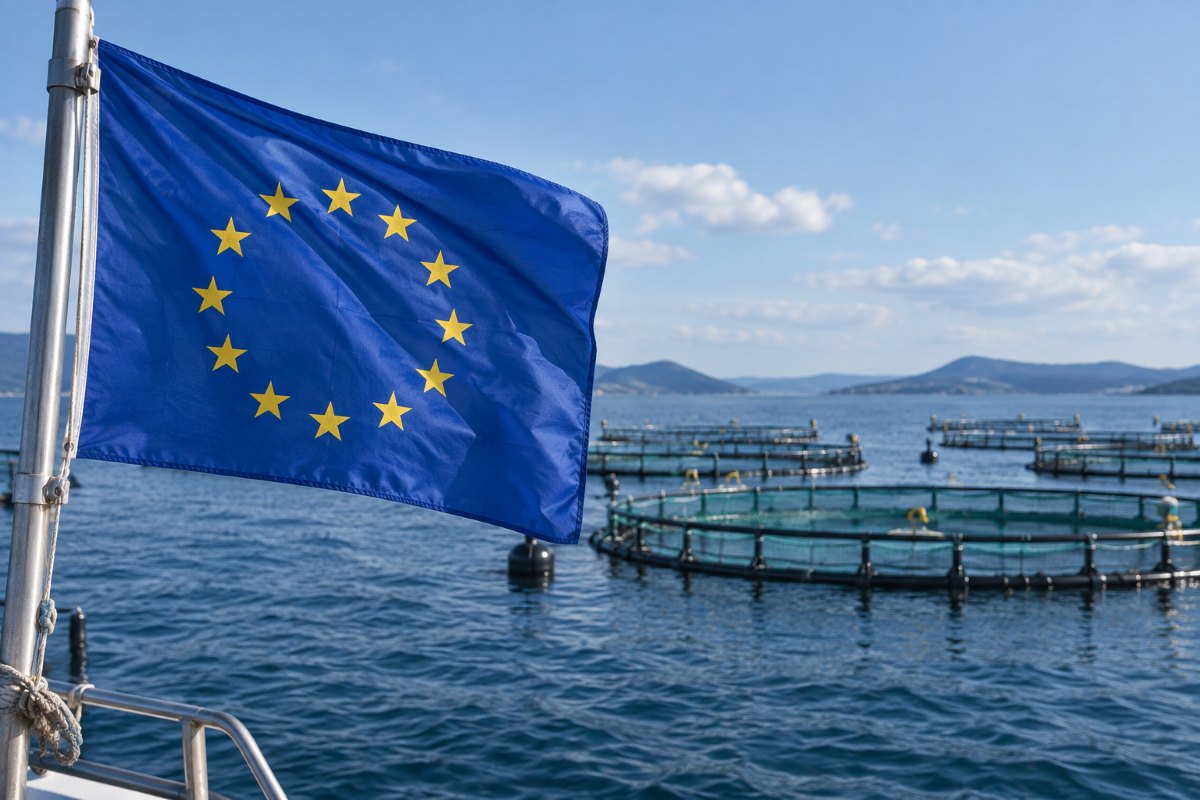
Aquaculture, fisheries and seafood were absent form European Commission President Ursula von der Leyen’s 2026 State of the Union address, despite its focus on food security, water and resilience. The European Union Seafood Alliance (EUSeA) is now calling for the forthcoming Vision for Fisheries and Aquaculture 2040 to turn those priorities into concrete measures for Europe’s aquatic food sector.
The call builds on a demand already put forward by the European sector in 2025 and previously covered by misPeces: the creation of an EU Action Plan for Blue Foods. One year later, EUSeA is linking that proposal directly to the EU’s forthcoming 2040 vision and calling for fisheries, aquaculture and seafood to be fully recognized in European food security and protein strategies.
EUSeA brings together EAPO, Europeche, FEAP and Seafood Europe, representing different parts of Europe’s fisheries, aquaculture, processing and seafood trading value chain.
The alliance argues that priorities highlighted by the Commission for European agriculture – including resilience, food security, investment and reduced administrative burdens – should also apply to the seafood supply chain.
Among its demand is “adequate and predictable funding” for investment, innovation and generational renewal, alongside genuine simplification and lower administrative burdens. EUSeA is also seeking a revision of the Common Fisheries Policy and full recognition of fisheries, aquaculture and seafood within EU food security and protein strategies.
The funding demand comes as Europe’s seafood industries look towards the policy and financial network beyond 2027.
EUeA’s statement adds to pressure for aquaculture to retain access to instruments capable of supporting investment and competitiveness, although the alliance’s statement does not specify a funding architecture or the level of financial resources it considers necessary.
Attention will therefore turn to the forthcoming Vision for Fisheries and Aquaculture 2040. For European aquaculture, a key issue will be whether long-standing calls for simpler administration, investment capacity and greater recognition of farmed aquatic food production translate into specific policy measures rather than remaining broad strategy objectives.

Related
Latest In-depth
-
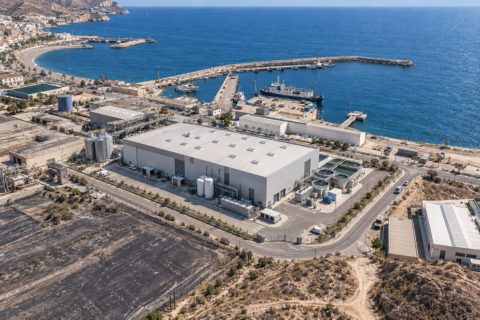
Ocean Aquaculture begins work on Spain hatchery designed to produce eight million greater amberjack juveniles a year
Almería, Spain, 9 September 2026 | The first phase will involve an investment of around €15 million and is expected to begin production in January 2028, supplying both the group’s future offshore farms and other Mediterranean producers