
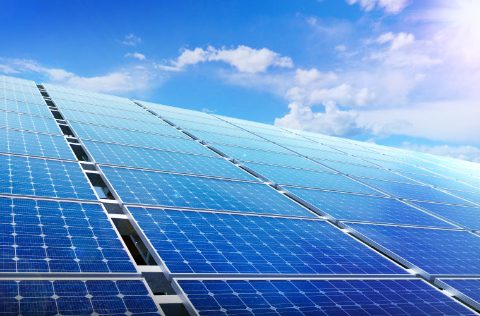
The combination of solar panels with microalgae cultivation in water bodies dedicated to aquaculture could offer a groundbreaking approach to simultaneous produce microalgal biomass and electricity.
At present, floating solar panels are seen as beneficial in certain settings, such as reservoirs, irrigation canals, and industrial areas. In Spain, for instance, these panels are being used on reservoirs to generate clean energy without taking up valuable agricultural land.
This use of aquavoltaics could potentially extend into other fields, such as aquaculture, as is already underway in countries like Norway, where Ocean Sun has launched a pilot project, and in Japan, through Kyocera Corporation.
A recent study titled “Development and Experimental Performance Evaluation of a Small-Scale Aquavoltaic System for Microalgae Production”, conducted by researchers at the Fraunhofer Institute for Solar Energy Systems ISE in Germany and the Biosystems Engineering Department at Tarbiat Modares University in Iran, demonstrates that microalgae cultivation could greatly benefit from aquavoltaic systems. This technology optimises the use of natural resources like water and sunlight, enhancing the production of spirulina and other beneficial organisms.
The study’s key finding lies in optimizing water oxygen levels by adjusting the water depth and paddle rotation speed, achieving ideal oxygen conditions for microalgae growth.
One of the study’s most notable achievements was the reduction of “dead zones” in the cultivation ponds. By fine-tuning the paddle speed, the proportion of stagnant areas was reduced from 21% to 9%, resulting in more efficient mixing and better cultivation conditions.
Besides generating energy, solar panels provide a crucial temperature regulation function by shading the ponds and recirculating temperature fluctuation that could otherwise negatively impact microalgae growth and water quality. Ponds under solar panel cover averaged 5ºC cooler than those directly exposed to sunlight, helping to stabilise oxygen and pH levels, which are essential for the health of microalgae.
From and economic standpoint, the study found that spirulina production costs could be reduced by 7% when using solar energy instead of traditional electricity, providing aquaculture operators with significant long-term savings. In fact, the financial analysis indicates that the initial investment in these systems could be recouped in under eight months, an encouraging prospect for those aiming to lower their carbon footprint and improve operational efficiency.
Beyond microalgae production, aquavoltaic system could be applied to other aquaculture sectors, such as fish farming and shellfish cultivation, enhancing productivity and cutting operational costs across various types of aquatic farming.
Wich each advance in research and system refinement, the future of aquavoltaic system appears increasingly promising, especially in regions where water and energy are limited resources. This blend of solar energy and aquaculture stands out as a powerful option for a more sustainable and efficient future in aquatic food production, paving the way for a greener approach to aquaculture.
Reference:
Hamedani, H. P., Gorjian, S., Ghobadian, B., & Mokhtarzadeh, H. (2024). Development and experimental performance evaluation of a small-scale aquavoltaic system for microalgae production. Results in Engineering, 24(102919).

Related

Latest In-depth
-
Clams more resistant to heat and Perkinsus: research paves the way for selective breeding
Padua, Italy, 16/10/2026 | University of Padua researchers explain to misPeces the findings presented at Aquaculture Europe 2026 and the steps needed to transfer them to hatcheries. Initial applications could emerge within the next two or three years, although the relationship between resistance, growth and other production traits still need to be assessed