
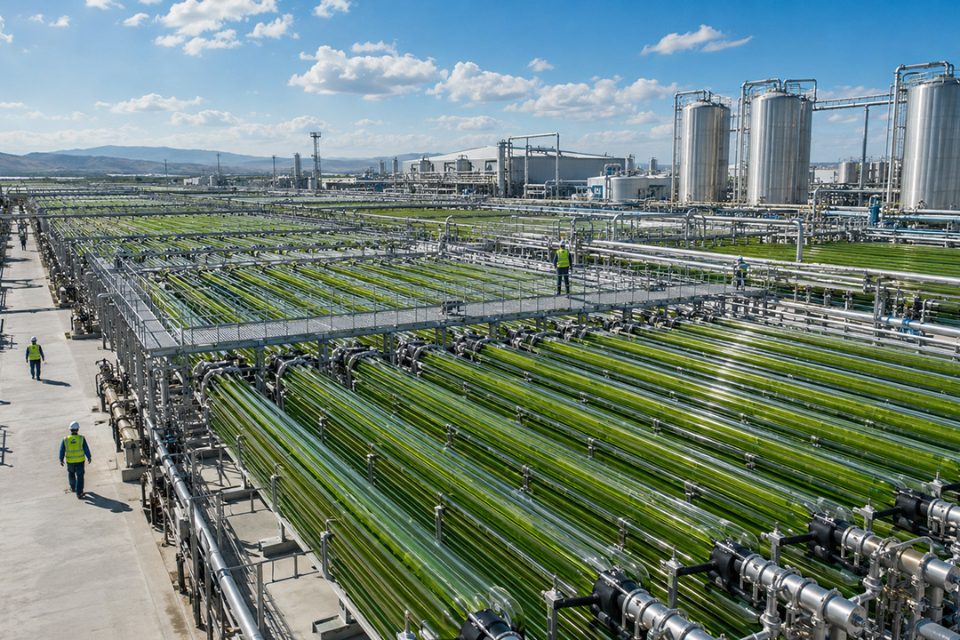
The main contribution of artificial intelligence to microalgae production will not be to replace operators, but to help them make earlier and better-informed decisions. Combining sensors, automation and predictive models could turn a biologically viable culture into a more stable, predictable and efficient industrial process.
Its most valuable application may be the early detection of problems. Algorithms can identify abnormal declines in growth, unexpected relationships between turbidity and oxygen, or nutrient consumption patterns that differ from normal before the deviation becomes visible.
Although an alert may not determine whether the cause is contamination, a nutrient deficiency or an equipment malfunction, it can prompt earlier testing and allow operators to act before the culture is lost.
This capability has a direct economic impact. At an industrial plant, preventing the complete loss of a production batch may generate more value than achieving small daily increases in productivity.
Artificial intelligence should therefore be assessed according to its ability to reduce incidents, stabilise production and lower the cost per kilogram of biomass, rather than by the number of sensors or algorithms installed.
Harvest forecasting is another relevant application. Models can estimate when the required biomass concentration will be reached, how much product will be obtained and the best time to begin filtration, centrifugation, drying or extraction.
This makes it easier to coordinate the different stages of the plant and prevents several production units from reaching their optimal harvesting point at the same time when there is insufficient processing capacity.
Energy management could also deliver significant savings. Lighting, pumping, aeration, cooling and drying account for a substantial share of production costs.
Predictive systems can adapt equipment operation to the actual requirements of the culture, seeking a balance between growth, biomass quality and electricity consumption rather than keeping the facilities running continuously at maximum capacity.
At a second level, models can help shape the composition of the final product. Light, temperature, nitrogen availability, aeration and CO₂ supply all influence the protein, lipid, pigment and fatty acid content of microalgae.
Adjusting these variables could make it possible to produce more consistent ingredients or promote the accumulation of DHA, protein or pigments, particularly in closed photobioreactors, where cultivation conditions can be controlled more precisely.
Digital twins represent the most advanced, but also the least mature, application. These virtual models aim to simulate how a culture would respond to changes in light, nutrients, CO₂ or temperature before those changes are applied at the real plant.
Their development remains limited by the biological complexity of microalgae and by the reliability of sensors, which can become fouled, lose calibration or generate inaccurate readings.
Operator experience will therefore remain essential for interpreting alerts and deciding when and how to intervene.

Related

Latest In-depth
-
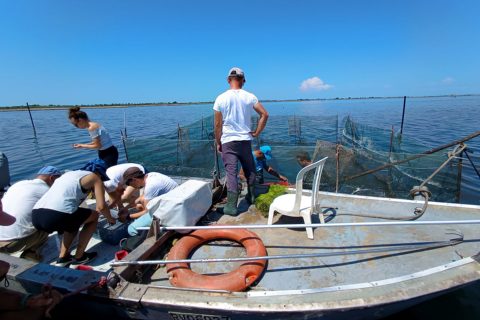
Clams more resistant to heat and Perkinsus: research paves the way for selective breeding
Padua, Italy, 16/10/2026 | University of Padua researchers explain to misPeces the findings presented at Aquaculture Europe 2026 and the steps needed to transfer them to hatcheries. Initial applications could emerge within the next two or three years, although the relationship between resistance, growth and other production traits still need to be assessed