European fisheries and aquaculture have entered a new phase in which resilience is no longer just a short-term response to crisis, but a structural factor of competitiveness. This is the central message of a new study by EUMOFA, the European Market Observatory for Fisheries and Aquaculture Products, which analyses the cumulative impact of the Covid-19 pandemic, Brexit and Russia’s war against Ukraine on the European sector between 2019 and 2024.
The report is based on the central idea that the three crises were different in nature, but occurred within a very short period of time and ultimately reinforced their effects across the value chain.
Covid-19 abruptly disrupted demand, logistics and labour availability, with a strong impact on fresh and live products following the closure of the HORECA channel, while consumption shifted towards retail and towards frozen, processed and longer shelf-life formats.
Brexit introduces a more structural pressure on trade between the European Union and the United Kingdom. Although the Trade and Cooperation Agreement allowed tariff-free trade to continue, new customs, sanitary and documentary requirements increased administrative costs and reduced commercial fluidity, particularly for fresh products.
Russia’s war against Ukraine then added a third layer of pressure through higher energy, fuel, feed, transport and other key raw material costs across the entire value chain.
Despite this scenario, the study highlights the European sector’s ability to adapt through supplier diversification, the reorganisation of supply chain, the growth of frozen and value-added products, the digitalisation of operations and greater attention to risk management.
For European aquaculture, the lesson is that producing more will no longer be enough if companies cannot protect margins, secure supplies, adapt commercial formats and respond quickly to changes in demand.
The industry is moving towards a more integrated technology-driven and value-oriented model, where feed efficiency, automation, traceability, commercial flexibility and lower external dependency are becoming basic conditions for competitiveness.
The evolution of tensions in strategic routes such as the Strait of Hormuz will be another factor to monitor because of its potential impact on energy, transport and production costs.

Related

Latest In-depth
-
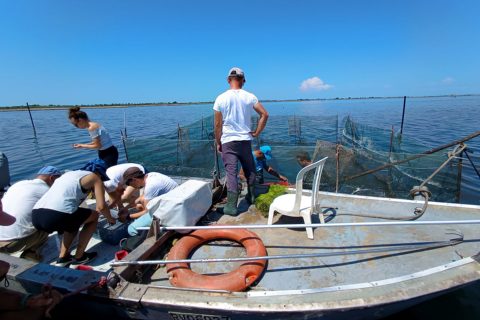
Clams more resistant to heat and Perkinsus: research paves the way for selective breeding
Padua, Italy, 16/10/2026 | University of Padua researchers explain to misPeces the findings presented at Aquaculture Europe 2026 and the steps needed to transfer them to hatcheries. Initial applications could emerge within the next two or three years, although the relationship between resistance, growth and other production traits still need to be assessed