

Not all strains of the same bacterial species produce the same response in experimental infection models. Specialists at the Andalusian Aquaculture Technology Centre (CTAQUA) have observed differences in mortality between strains of three bacterial species relevant to aquaculture. The findings could affect how treatments and prevention strategies are assessed.
According to CTAQUA’s latest newsletter, the trials covered 13 strains: four of Aeromonas veronii, two of Lactococcus garvieae and seven of Vibrio harveyi. The centre assessed their pathogenic potential using in vivo models and examined how the selected strain, route of exposure and environmental conditions can affect the course of infection.
The work builds on the infection models for A. veronii that CTAQUA standardised in 2025 using intraperitoneal injection and bath exposure. The latest characterisation extends the research to different strains of that bacterium and L. garvieae, as well as V. harveyi.
Strain selection can influence the assessment of a health intervention, whether it is a treatment, probiotic, vaccine or other preventive measure. CTAQUA therefore considers it important to understand differences between strains before using an experimental model to assess the effectiveness of these tools.
In addition to recording mortality, the researchers examined biochemical characteristics linked to virulence, including haemolytic activity, biofilm production and certain enzymatic activities. They also analysed the presence of genes associated with virulence factors. However, the biochemical parameters and molecular markers studied so far do not, on their own, explain the differences observed, says Iria Folgueira, head of animal health at CTAQUA.
The models also allow researchers to study how environmental conditions affect susceptibility to infection and to test preventive measures under controlled conditions before considering their potential application in production. In future, combining these trials with immunological, physiological and environmental indicators could help support the development of health-monitoring and early-warning systems.
CTAQUA presented the findings at Aquaculture Europe 2026, held in Ljubljana. The information released by the centre does not give mortality rates for individual strains or specify which farmed species were used in the trials. The results therefore describe experimental differences but do not, on their own, show how these would translate to farm conditions.

Related

Latest In-depth
-
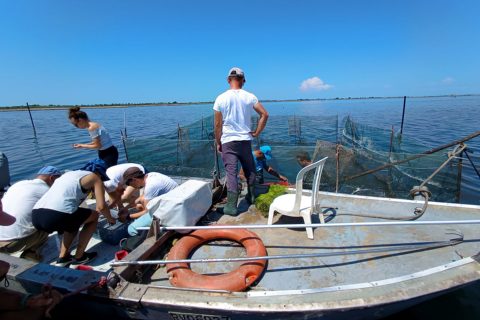
Clams more resistant to heat and Perkinsus: research paves the way for selective breeding
Padua, Italy, 16/10/2026 | University of Padua researchers explain to misPeces the findings presented at Aquaculture Europe 2026 and the steps needed to transfer them to hatcheries. Initial applications could emerge within the next two or three years, although the relationship between resistance, growth and other production traits still need to be assessed