
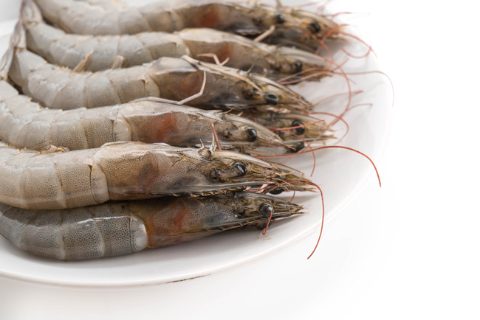
Since its introduction in China in 1988, the tropical shrimp (Litopenaeus vannamei) has become the most important crustacean for aquaculture, not only in the Asian Giant but also globally. As the largest producer of this species, China has spearheaded technological advancements and production improvements, significantly impacting the country's aquaculture economy and influencing aquaculture practices worldwide.
The challenges faced by China's industry are related to the degradation of genetic resources, dependence on imported feed ingredients, the prevalence of diseases, and other environmental issues stemming from the intensification of aquaculture and inadequate management of aquaculture waste. These issues are not unique to China and occur in other parts of the world.
To address these challenges, China has implemented a series of measures aimed at ensuring the sustainability of the industry, which could offer valuable lessons for other producing countries.
This is suggested by a study led by researchers from the Ocean University of China, which indicates that the innovations and practices adopted in the country could serve as a model for improving the efficiency, sustainability, and profitability of shrimp aquaculture globally.
Among these measures is the establishment of marine genetic resource banks to preserve diverse shrimp strains. Improvements in breeding techniques, such as hybridization and molecular enhancement, have allowed the development of new tropical shrimp varieties that are more resistant to diseases, grow faster, and adapt to different environmental conditions.
If adopted in other countries, these practices could help reduce dependence on imported germplasm and improve the overall quality of shrimp farming.
Another measure China has focused on is reducing the use of fishmeal by substituting it with alternative proteins such as microbial, insect-based, and fermented plant proteins. This has helped reduce costs and dependence on imports.
Additionally, they have begun to adapt feed to each stage of life, optimizing nutrition and improving feeding efficiency, which reduces waste and pollution.
Regarding disease prevention, the country has implemented advanced systems for outbreak monitoring, enabling rapid and effective responses. These systems include real-time monitoring and the creation of disease databases, helping to mitigate economic losses and improve the overall health of shrimp.
The country's authorities have also promoted the use of biological controls and immune boosters to reduce the need for medications, improving shrimp health and minimizing the risk of residues in the final products.

Related

Latest In-depth
-
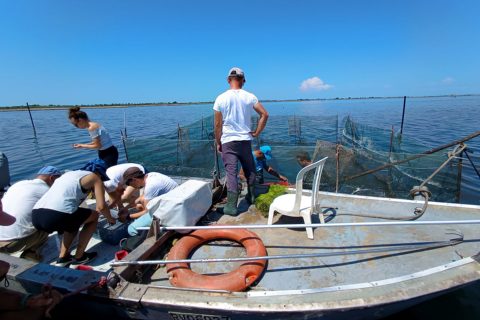
Clams more resistant to heat and Perkinsus: research paves the way for selective breeding
Padua, Italy, 16/10/2026 | University of Padua researchers explain to misPeces the findings presented at Aquaculture Europe 2026 and the steps needed to transfer them to hatcheries. Initial applications could emerge within the next two or three years, although the relationship between resistance, growth and other production traits still need to be assessed