
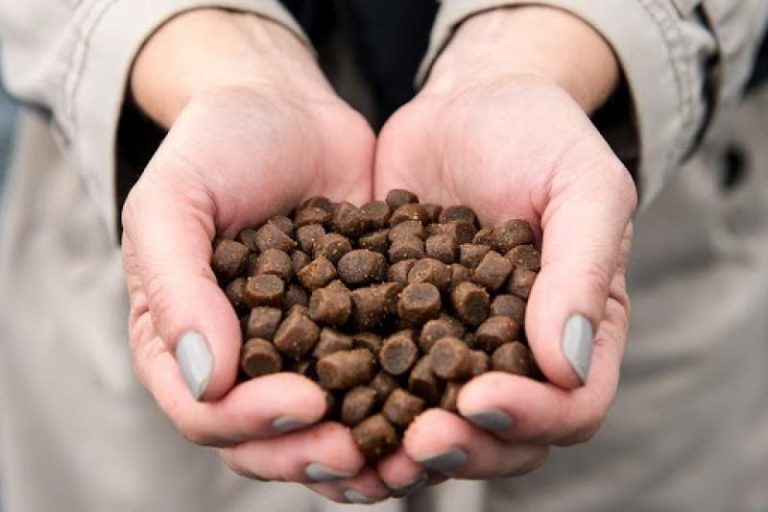
Aquaculture is at a thrilling juncture, with daily breakthroughs in research paving the way towards more sustainable practices. The Food and Agriculture Organization (FAO) estimates that by 2030, we must boost our fish and seafood production by 30% to 140 million tonnes to meet global demand.
Recent years have seen a growing recognition of the need to focus on both recycling animal and plant by-products and exploring new sources of proteins and lipids through insect farming and algae cultivation.
Feed manufacturers are at the forefront of this innovation, possessing the technical expertise and knowledge necessary to develop new formulas that meet nutritional standards while being cost-effective.
Indeed, feed manufacturers are the true catalysts of science and innovation in aquaculture. For instance, when the cost and availability of fishmeal and fish oil began impacting the future growth of the industry, it was these manufacturers who started incorporating terrestrial plant ingredients like soy or peas through innovative techniques.
Now, with the emergence of new alternatives like insects, algae, and microalgae, it is up to these manufacturers to integrate them into new formulations aimed at maintaining and enhancing feed conversion ratios.
However, these efforts must balance with the acceptance of fish farmers, which can complicate the adoption of groundbreaking innovations. Fish farmers need products that maximise efficiency and fish health across various farming environments. A prime example is the demand for feeds enriched with omega-3, which not only improves fish health but also enhances the nutritional value of the fish for consumers.
Considering consumer acceptance, fish farmers have a direct stake in the ingredients that affect productivity and the quality of the final product.
Meanwhile, consumers, increasingly aware of sustainability and animal welfare issues, are the most powerful force in the aquaculture supply chain. The current trend demands that fish and seafood be not only nutritious and safe but also responsibly produced. This shift has pressured both fish farmers and feed manufacturers to adopt more sustainable and transparent practices, including the traceability of feed ingredients.
Ultimately, although each of these three stakeholders has a specific influence on the final decisions regarding protein sources, it is the manufacturers, with their capacity for innovation and technology, who can ultimately make a raw material feasible. Aquaculture producers are primarily focused on meeting specific market demands at competitive prices, largely shaped by consumer desires.
In this dynamic interplay of forces, regulations and certifications also play a crucial role in ensuring that feeds meet specific standards of sustainability and food safety.

Related

Latest In-depth
-
Clams more resistant to heat and Perkinsus: research paves the way for selective breeding
Padua, Italy, 16/10/2026 | University of Padua researchers explain to misPeces the findings presented at Aquaculture Europe 2026 and the steps needed to transfer them to hatcheries. Initial applications could emerge within the next two or three years, although the relationship between resistance, growth and other production traits still need to be assessed