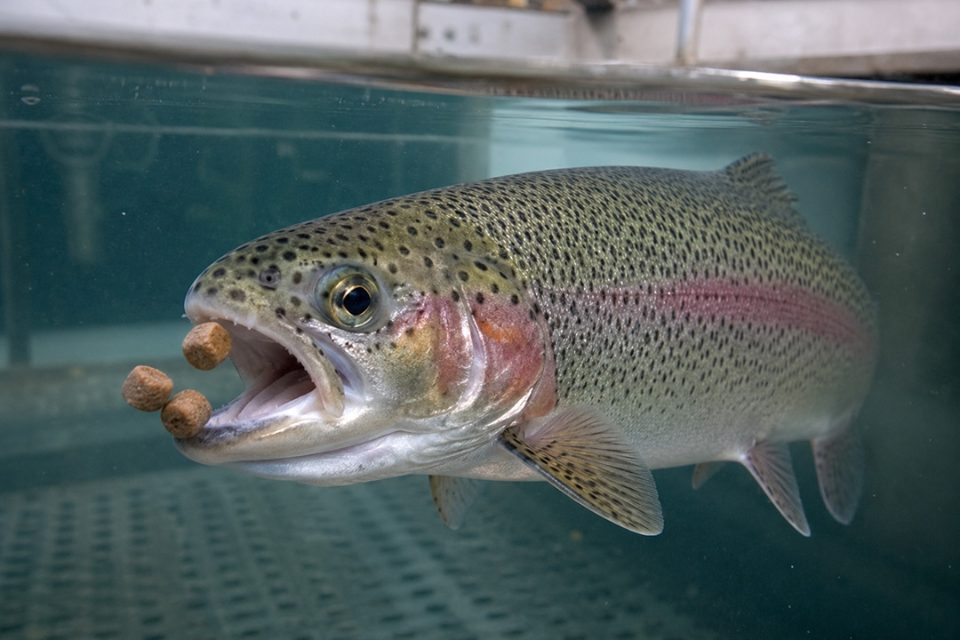
Over the next two years, Dibaq Diproteg will develop a feed capable of delivering oral vaccines against lactococcosis in rainbow trout (Oncorhynchus mikiss) and European seabass (Dicentrarchus labrax).
The INMUNOFEED project has a budget of more than 500,000 and has received funding from the Institute for Business Competitiveness of Castilla y León, ICECYL, under its R&D project support programme.
The main difference between INMUNOFEED and other functional feeds investigated in aquaculture is that the project does not seek merely to provide general stimulation of the fish immune system. Its objective is to incorporate, in a controlled manner, a specific inactivated oral vaccine against Lactococcus petaurid in rainbow trout and Lactococcus garviae in European seabass.
“The project seeks to integrate aquatic animal immunology, antigen development and characterisation, and fish feed manufacturing technology, with the aim of achieving a specific, effective and lasting immune response through feeding itself.”
The work will be carried out simultaneously in one freshwater and one marine species, allowing the strategy to be assessed in two different production models. In addition to measuring the immune response, the project will analyse fish zootechnical performance and include a validation phase under field conditions.
Protecting the antigen: the main technological challenge
One of the main challenges will be ensuring that the antigen retains its integrity and functionality during feed manufacturing and storage, as well as while passing through the fish digestive system.
INMUNOFEED does not begin with a preselected protection technology. The project itself will investigate which incorporation strategy is best able to preserve the antigen’s immunising capacity throughout the process.
The research will therefore need to be define both the method used to incorporate the antigen into the feed and the conditions required to prevent it from losing functionality before reaching the digestive system.
Dibaq will work with two Spanish research centres to cover the complete development cycle, from the production and characterisation of the inactivated antigen to the experimental assessment of immune responses and production performance.
A potential alternative to injectable vaccination
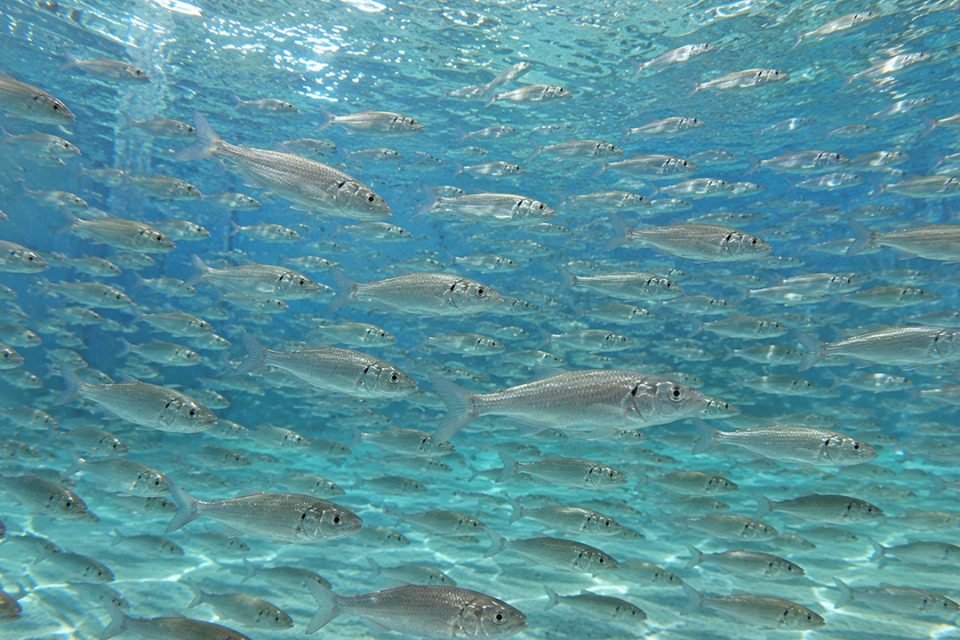
The ultimate objective is to determine whether oral administration through feed can become an effective sustainable and economically viable alternative to injectable vaccination, particularly at production stages or in situations where handling individual fish creates logistical and operational constraints.
Incorporating the vaccine into feed could allow it to be administered during routine feeding, potentially avoiding the need to handle large populations fish by fish. However, the project must still demonstrate that the strategy provides sufficient, consistent and lasting protection.
INMUFEED will assess immune responses, zootechnical results and performance under field conditions. The technology used to protect the antigen, and the capacity of oral vaccination to replace or complement injectable vaccination, are among the outcomes that will need to be demonstrated during the project.
The initiative forms part of the search for preventive solutions capable of reducing the incidence of bacterial diseases, lowering antibiotic use and improving the welfare and productivity of farmed species.

Related

Latest In-depth
-
Clams more resistant to heat and Perkinsus: research paves the way for selective breeding
Padua, Italy, 16/10/2026 | University of Padua researchers explain to misPeces the findings presented at Aquaculture Europe 2026 and the steps needed to transfer them to hatcheries. Initial applications could emerge within the next two or three years, although the relationship between resistance, growth and other production traits still need to be assessed