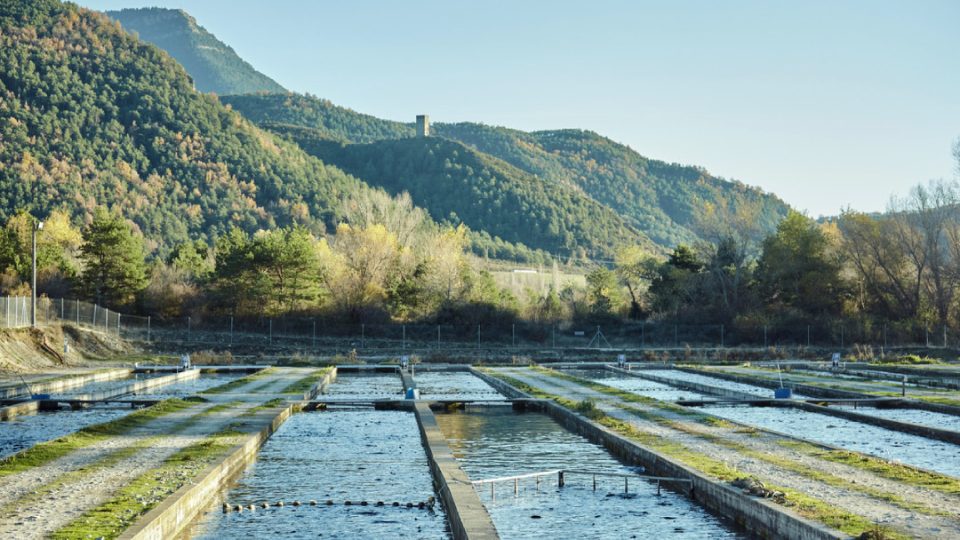
The European Commission has recently published a detailed working document on "Access to Space and Water for Freshwater and Land-based Aquaculture". The document, developed in collaboration with EU Member States, industry experts, and stakeholders, aims to establish the EU as a global leader in sustainable aquaculture by 2030.
As the document points out, aquaculture is crucial to the European economy, offering a sustainable alternative to traditional fisheries and making a significant contribution to food security. However, the industry faces several challenges, including limited access to space and water resources, environmental concerns, and complex regulations.
The document addresses critical issues such as spatial planning, effective management of water resources, and seamlessly integrating aquaculture into local ecosystems with minimal environmental impact. Notable strategies include the deployment of Geographic Information Systems (GIS) for precise site selection, revitalizing abandoned aquaculture sites, and fostering synergies between aquaculture and other sectors.
Particularly significant is the emphasis on “access to water” – a vital resource for the sector’s expansion and sustainability. The guidelines advocate for the creation of tools to provide up-to-date information on water quality availability, essential for the planning and management of aquaculture operations.
The guidelines also promote the adoption of Integrated Multi-Trophic Aquaculture (IMTA), which recycles nutrients and enhances ecosystems services, alongside the use of Recirculating Aquaculture Systems that drastically reduce water and land usage.
EU policymakers are encouraged to weave these practices into national strategies to not only boost the productivity and sustainability of the aquaculture sector but also to protect the health of aquatic environments.
This strategic initiative reflects the EU’s dedication to sustainable development and its leadership in global aquaculture practices. The forthcoming steps involve detailed evaluations and the integration of these guidelines into the national plans of Member States, with a focus on innovation, sustainability, and community involvement in the development of aquaculture.
Go to the document:
Access to Space and Water for Freshwater and Land-based Aquaculture

Related
Latest In-depth
-
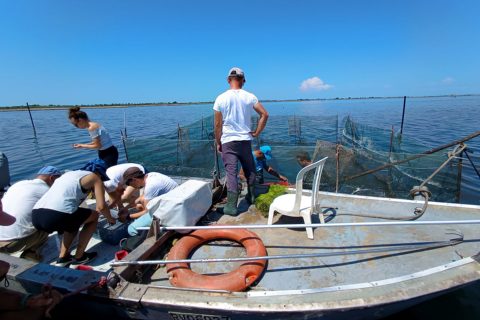
Clams more resistant to heat and Perkinsus: research paves the way for selective breeding
Padua, Italy, 16/10/2026 | University of Padua researchers explain to misPeces the findings presented at Aquaculture Europe 2026 and the steps needed to transfer them to hatcheries. Initial applications could emerge within the next two or three years, although the relationship between resistance, growth and other production traits still need to be assessed