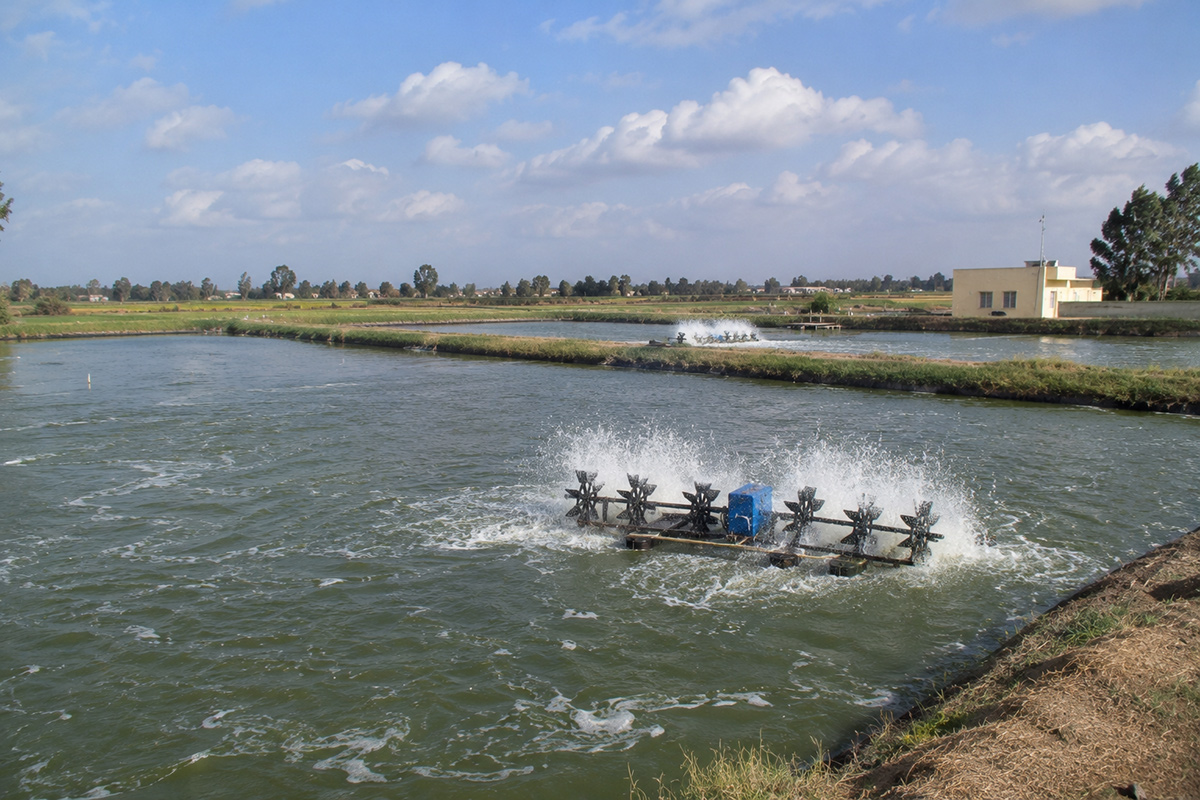
Egypt has been authorised since 4 November to export aquaculture products to the European Union, including farmed fish, fish products and crustaceans. The authorisation is set out in Commission Implementing Regulation (EU) 2026/2228, which expands the list of third countries allowed to place these products on the EU market.
The European Commission has accepted the control plan submitted by the Egyptian authorities for pharmacologically active substances, pesticides and contaminants. The country also provided the required guarantees that the relevant EU requirements are met.
The decision provides the legal basis for exports, but it does not automatically authorise every Egyptian company. Establishments must comply with EU hygiene and certification requirements, appear on the lists of approved facilities and submit their consignments to the relevant border controls.
The opening is significant for the Mediterranean market. Egypt is one of the region’s main aquaculture producers: it accounted for 16% of Mediterranean and Black Sea aquaculture production in 2023, with around 147,000 tonnes, according to the General Fisheries Commission for the Mediterranean.
Sanitary authorisation does not settle the debate on competitive conditions
The regulation confirms compliance with the food-safety and residue-control requirements needed to access the European market. However, it does not in itself establish full equivalence with the standards and costs faced by EU producers in areas such as energy, animal welfare, access to farming space, environmental requirements or labour conditions.
The competitive impact will depend on the species and volumes that Egypt succeeds in placing on the EU market. Its aquaculture is dominated by Nile tilapia, followed by mullets and carps, which are mainly produced for the domestic market.
Egypt also farms European seabass, gilthead seabream, meagre and crustaceans — the species with the greatest potential to compete directly with Mediterranean producers in the EU.
The sanitary authorisation does not yet mean that imports will increase. It will be necessary to monitor which establishments are registered, what products they certify and which trade flows become established.
Nevertheless, the decision reopens the debate on fair conditions for third-country competition: market access confirms food-safety controls, but it does not automatically align energy costs, environmental requirements, animal-welfare standards or labour conditions.

Related
Latest In-depth
-
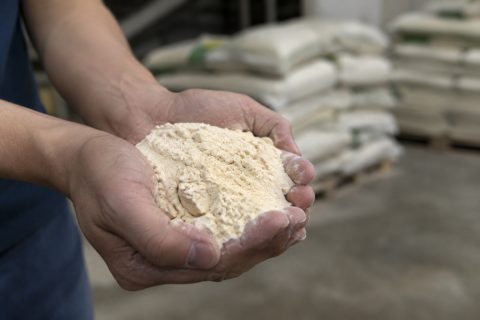
Protein hydrolysates: why they are not all the same
Global, 9 November 2026 | Trials point to promising applications, but each product needs to be characterised and validated on its own merits