
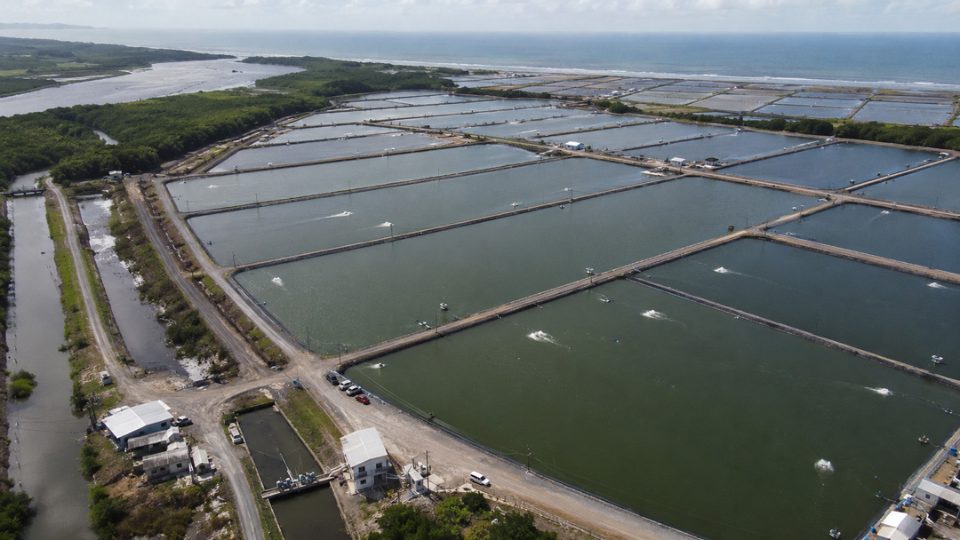
Ecuador’s National Chamber of Aquaculture, CNA, and the Ministry of Environment and Energy have signed a memorandum aimed at accelerating the electrification of the aquaculture industry, improving grid connections and facilitating investment in energy infrastructure. The agreement establishes a roadmap, but does not yet allocate a budget, additional power capacity or an implementation timetable.
The memorandum follows more than six months of work involving Corpei, the Sustainable Shrimp Partnership, electricity regulator Arconel and the National Electricity Corporation, CNEL. The resulting roadmap contains 16 measures covering grid connections, new high-power aquaculture loads, tariffs, self-generation, financing and infrastructure.
According to the CNA, less than 10% of Ecuador’s shrimp industry currently uses electricity, while around 90% still depends mainly on diesel to operate pumping and aeration systems. However, the official statement does not explain whether these percentages refer to farms, production area, installed energy capacity or shrimp output.
The scale of the challenge was already outlined in 2025, when the CNA estimated that Ecuadorian shrimp farming could require between 1,000 and 1,500 MW. This suggests that the transition will depend not only on replacing diesel-powered equipment at farm level, but also on expanding transmission networks, substations and distribution capacity in the main production areas.
The measures include a review of electricity tariffs, bilateral supply contracts, energy credits, rules for self-generation and the sale of surplus power, a simplified environmental procedure and pilot energy districts in Durán, Posorja and Puná Island. Potential investment involving the Inter-American Development Bank and CAF is also mentioned, although no amounts, approved projects or number of beneficiary farms have been disclosed.
Electrification could reduce producers’ exposure to diesel prices and supply logistics, support more controllable aeration and facilitate greater use of sensors and automation. Its productive impact will nevertheless depend on grid reliability, backup systems and the eventual publication of investment commitments, connection schedules, available capacity and priority production areas.

Related

Latest In-depth
-
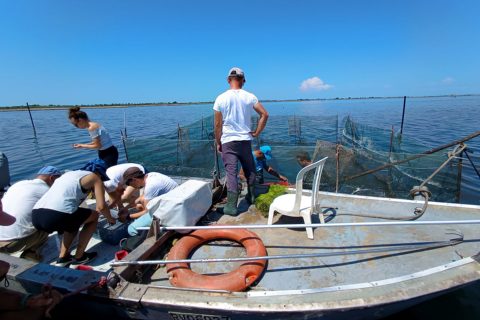
Clams more resistant to heat and Perkinsus: research paves the way for selective breeding
Padua, Italy, 16/10/2026 | University of Padua researchers explain to misPeces the findings presented at Aquaculture Europe 2026 and the steps needed to transfer them to hatcheries. Initial applications could emerge within the next two or three years, although the relationship between resistance, growth and other production traits still need to be assessed