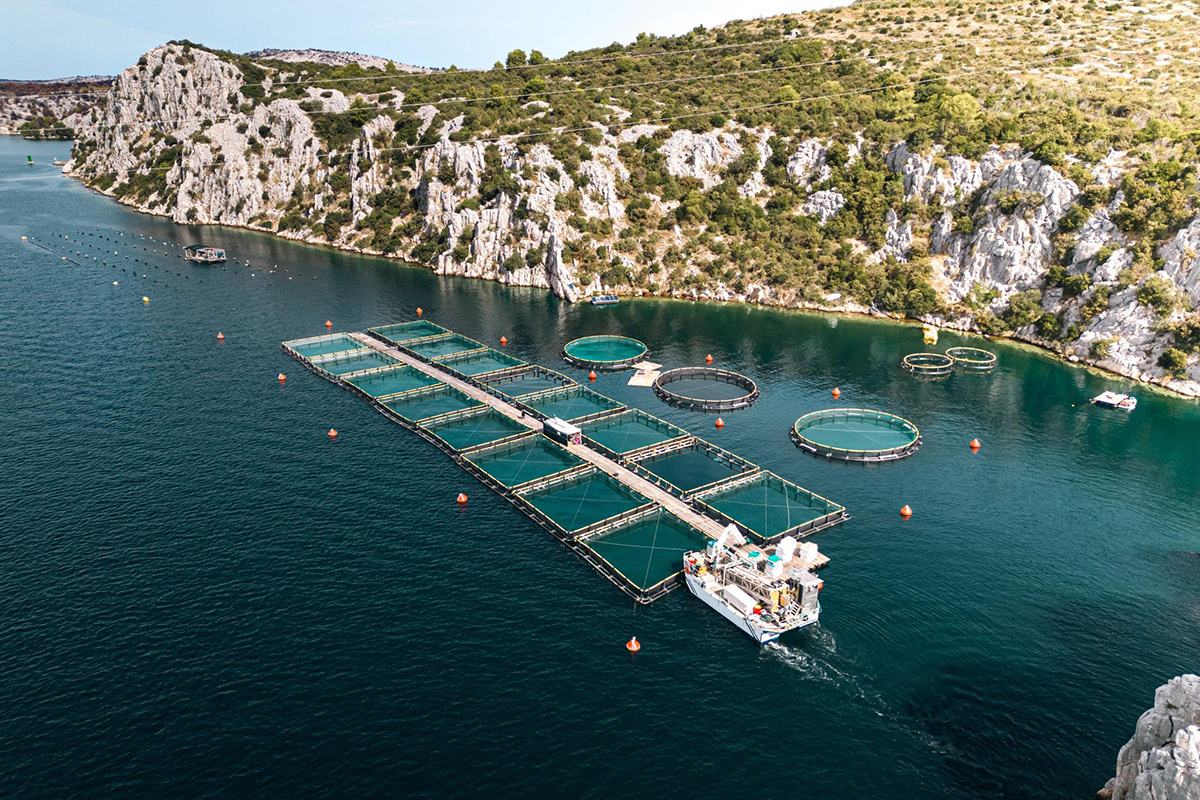
European aquaculture needs better investment conditions, fewer administrative barriers and more modern production facilities to strengthen its competitiveness. These are among the priorities of the European Commission’s Vision 2040 for fisheries and aquaculture, which sets out a long-term direction for the sector, combining environmental sustainability with economic viability.
The initiative addresses several obstacles to the expansion of European aquaculture, including access to space, complex licensing procedures, financing needs and energy costs. The Commission places these issues within a broader strategy linking aquatic food production to food security, employment, infrastructure and the ability of businesses to invest.
One area of action is the energy transition of aquaculture operations. The accompanying roadmap considers improvements in energy efficiency, electrification, renewable energy deployment and the modernisation of production facilities. For producers, the value of these measures will depend on their technical feasibility, investment costs and the availability of financial instruments that allow them to be implemented under commercial farming conditions.
Administrative simplification is another priority. During the preparatory work for Vision 2040, industry representatives raised concerns about licensing procedures, regulatory implementation and differences between member states. Reducing these barriers could make it easier to invest in new projects and expand existing farms, although the Commission and national authorities will still need to determine which procedures can be simplified and how responsabilities will be shared.
The strategy also comes as negotiations continue on the 2028-2034 Multiannual Financial Framework, which will determine the future system of EU support for fisheries and aquaculture.
The Council has backed a model based mainly on national and regional partnership plans, but the amount of funding that will actually be available to aquaculture businesses remains unresolved.
Vision 2040 does not settle this question, nor does it introduce new funding schemes or automatically change the conditions of access to the current European Maritime, Fisheries and Aquaculture Fund (EMFAF).
The next step will be to assess how these priorities translate into regulatory decisions, funding instruments and action by member states.
For aquaculture producers, progress will need to be measured against practical outcomes: faster licensing, commercially viable investment, lower operating costs and better conditions for developing new production projects.
Without such progress, the growth and competitiveness ambitions of Vision 2040 will continue to depend on decision that have yet to be taken.

Related
Latest In-depth
-
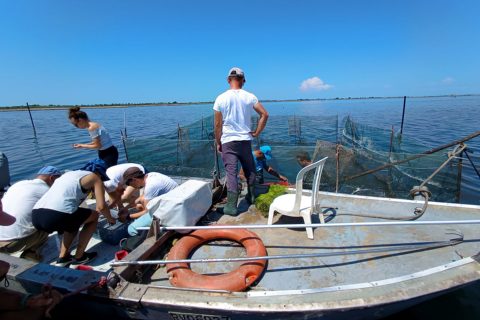
Clams more resistant to heat and Perkinsus: research paves the way for selective breeding
Padua, Italy, 16/10/2026 | University of Padua researchers explain to misPeces the findings presented at Aquaculture Europe 2026 and the steps needed to transfer them to hatcheries. Initial applications could emerge within the next two or three years, although the relationship between resistance, growth and other production traits still need to be assessed