
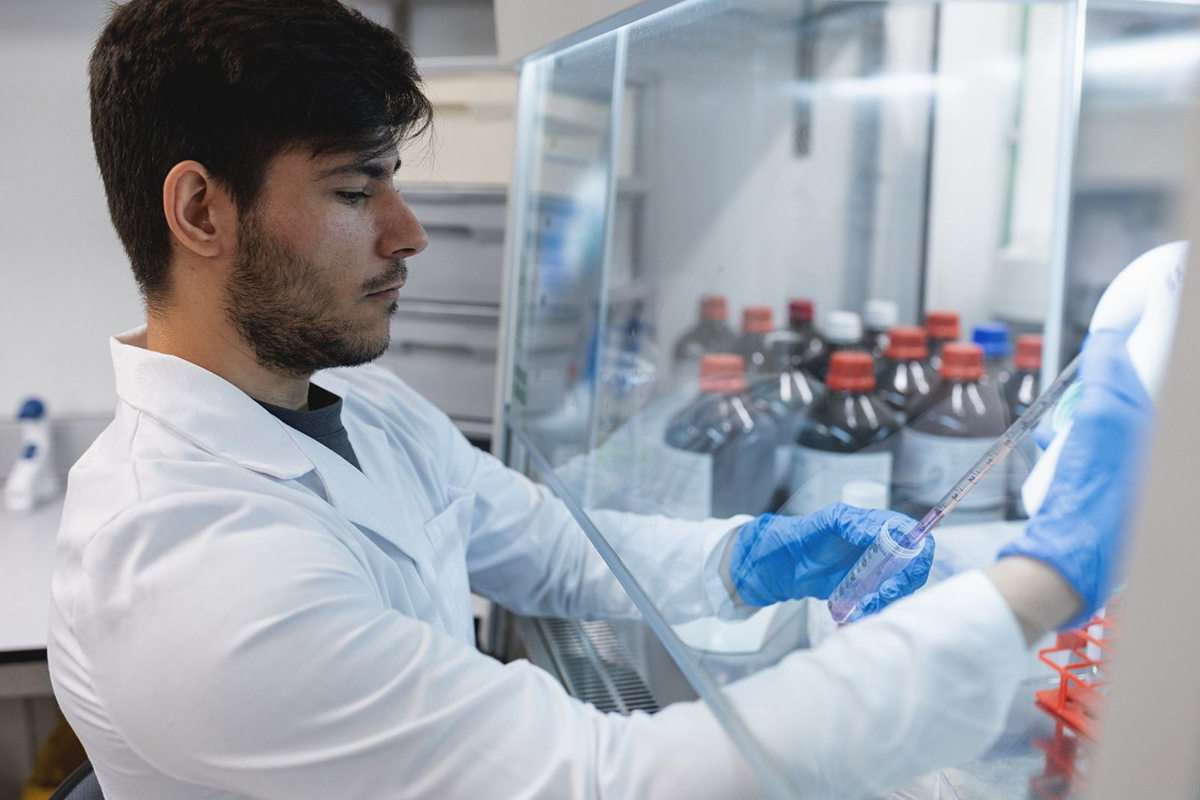
A bacterial strain isolated at the aquaculture facilities of the University of Las Palmas de Gran Canaria (ULPGC), in Spain, improved the survival of European seabass subjected to an experimental challenge with Vibrio parahaemolyticus.
The trial compared fish fed a diet supplemented with Paenibacillus polymyxa SABE1 with fish given feed without the probiotic. The difference was statistically significant.
The study was carried out by researchers from the Aquaculture Research Group (GIA) at the ECOAQUA Institute, together with collaborators from the University of Sfax in Tunisia and the University of Oviedo, in Spain. It was published in Probiotics and Antimicrobial Proteins.
The researchers added the probiotic to the feed at a concentration of one million colony-forming units per gram (10⁶ CFU/g)—a laboratory measure of how many viable bacteria can grow into colonies.
The seabass received this diet for 30 days. The challenge groups were then injected intraperitoneally with Vibrio parahaemolyticus, and mortality was recorded for a further 30 days.
The researchers also assessed the strain’s properties in vitro. They observed antimicrobial activity, adhesión to intestinal mucus and tolerance to digestive conditions. Safety tests detected no haemolytic activity or signs of pathogenecity in the fish assessed; genomic análisis also identified no acquired antibiotic resistance genes.
The findings position SABE1 as an experimental probiotic candidate, with further research needed to clarify, as the authors note, its protective mechanisms and possible effects on the intestinal microbiota.
Feeding and challenge protocols closer to commercial production will need to be established before the strain is tested on farms. Further work will also need to assess its efficacy and the stability of the probiotic during commercial feed manufacture and storage.
Scientific reference:
Cabrera-Guerle, N. et al. “Phenotypic and Genomic Characterization of Paenibacillus polymyxa SABE1 as a Probiotic Candidate in European Sea Bass (Dicentrarchus labrax)”. Probiotics and Antimicrobial Proteins (2026)

Related

Latest In-depth
-
Clams more resistant to heat and Perkinsus: research paves the way for selective breeding
Padua, Italy, 16/10/2026 | University of Padua researchers explain to misPeces the findings presented at Aquaculture Europe 2026 and the steps needed to transfer them to hatcheries. Initial applications could emerge within the next two or three years, although the relationship between resistance, growth and other production traits still need to be assessed