
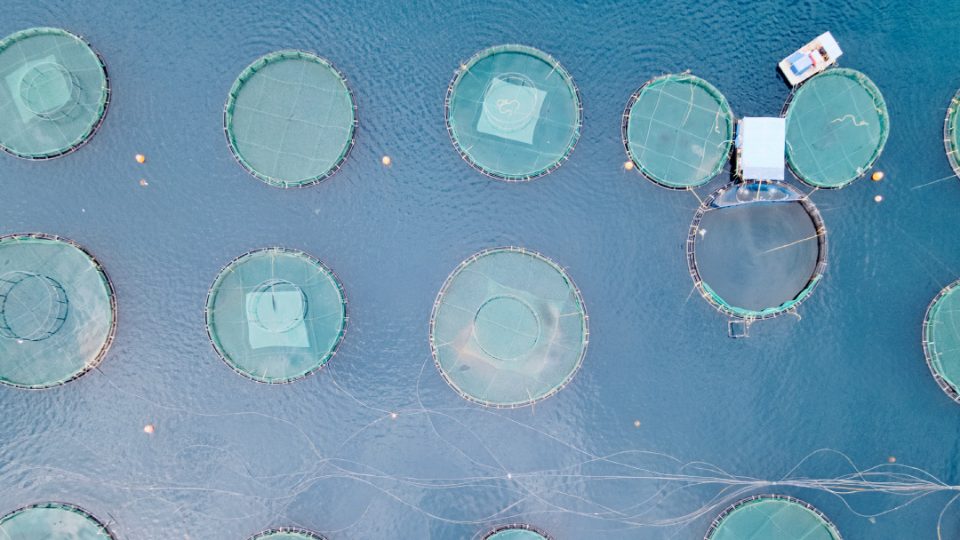
The General Fisheries Commission for the Mediterranean (GFCM), a body of the FAO, has adopted regional guidelines on the welfare of farmed fish and on abandoned, lost or discarded aquaculture gear in the Mediterranean and Black Sea.
The fish welfare guidelines aim to promote more responsible farming practices and advance standards across the region. They build on work carried out by the University of Crete through the Mediterranean Marine Finfish Aquaculture Demonstration Centre.
The Commission also adopted guidelines to prevent the loss of aquaculture gear, improve its reporting and recovery, and encourage reuse and recycling. Developed by the GFCM Technical Advisory Group on Innovation and Technology, they aim to reduce the sector’s environmental impact.
Marine and brackish-water aquaculture accounts for more than 45% of aquatic food production in the Mediterranean and Black Sea, according to the GFCM’s The State of Mediterranean and Black Sea Fisheries 2025 report.
A wider package of decisions
The guidelines form part of a broader set of agreements reached at the Commission’s meeting in Rome attended by 25 countries. In total, the GFCM adopted 11 binding recommendations and two resolutions, following a review of the latest scientific advice.
Fisheries decisions included new multiannual management plans for several Adriatic species and adjustments to quotas and fishing effort in the Alboran Sea for 2027. The Commission also agreed a new 360 mm mesh size for certain turbot gillnet fisheries in the Black Sea, subject to the mandatory use of porpoise alerting devices to reduce cetacean bycatch.
The GFCM also reviewed the first year of its new compliance assessment scheme and agreed to strengthen information exchange and cooperation on monitoring, control and surveillance.
The adopted aquaculture guidelines provide a regional framework for action. The GFCM announcement does not specify implementation timetables or obligations for individuals farms.

Related

Latest In-depth
-
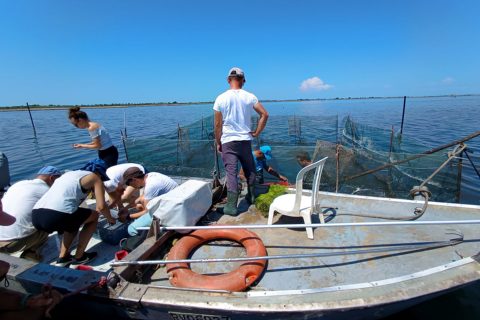
Clams more resistant to heat and Perkinsus: research paves the way for selective breeding
Padua, Italy, 16/10/2026 | University of Padua researchers explain to misPeces the findings presented at Aquaculture Europe 2026 and the steps needed to transfer them to hatcheries. Initial applications could emerge within the next two or three years, although the relationship between resistance, growth and other production traits still need to be assessed