
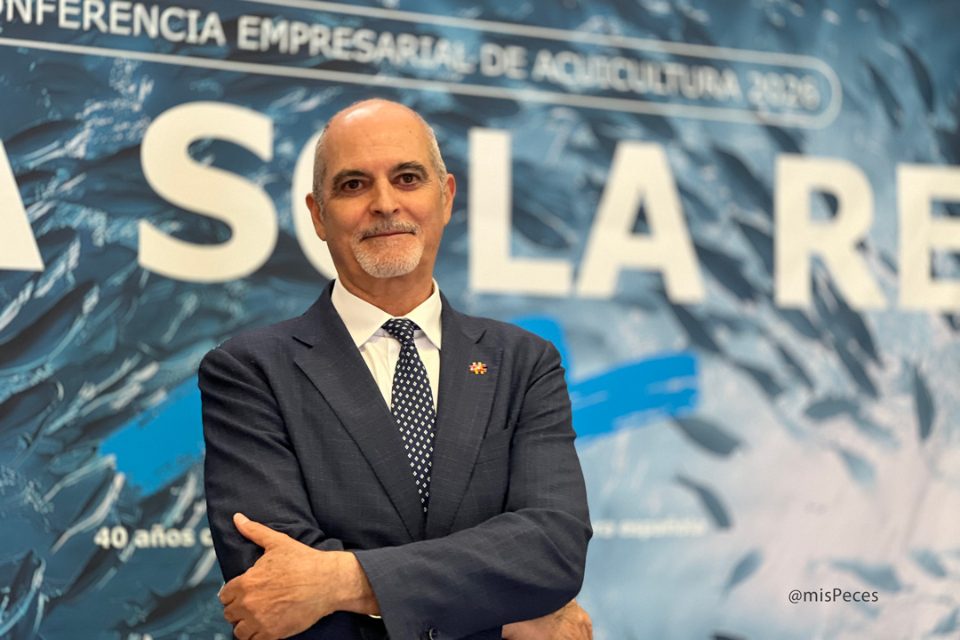
 Javier Ojeda, Secretary General of FEAP
The Federation of European Aquaculture Producers (FEAP) has welcomed the European Commission's Vision 2040 for fisheries and aquaculture but warned that the strategy does not set quantitative production targets, national commitments or intermediate milestones. While recognising aquaculture as a strategic pillar of Europe's food system, FEAP argues that this ambition needs to be translated into measurable growth objectives, particularly for finfish farming, to help reduce the EU's dependence on imported aquatic products.
For European producers, one of the most significant announcements is the Commission's commitment to present, by the end of 2027, a proposal for a simpler and more coherent regulatory and administrative framework for aquaculture. FEAP wants the future rules to be binding on member states and to deliver shorter, more predictable licensing procedures. As FEAP President Anna Pyć stated: “Our members will judge the Vision by how long it takes to license a new farm, and today that is still five to eight years.”
The federation also welcomes the explicit recognition of inland aquaculture, including freshwater farms, within spatial and water resource planning. However, it believes the strategy gives insufficient attention to finfish production, with its growth examples focusing mainly on lower-trophic-level species such as molluscs and seaweed.
FEAP argues that, for species requiring formulated feeds, the origin of feed ingredients is more relevant to assessing sustainability than the fish's trophic level alone.
Another priority is fair competition and consumer transparency. FEAP supports the Commission's intention to consider extending mandatory origin and production-method information to prepared and preserved fishery and aquaculture products, allowing consumers to distinguish EU-farmed fish from imports.
The federation also points to the absence of a dedicated aquaculture allocation within the proposed post-2027 EU budget, raising questions about the financial resources available to support future growth.
For FEAP, the next step is to turn the Commission's commitments into production targets, regulatory changes and practical results for farms. Secretary General Javier Ojeda argues that the planned 2027 proposal should include a binding EU finfish production target for 2040, supported by milestones that member states and investors can use for planning.
The federation stresses that the success of Vision 2040 will ultimately depend on whether its measures make it easier to establish new farms, expand production and strengthen the competitiveness of European aquaculture.

Related

Latest In-depth
-
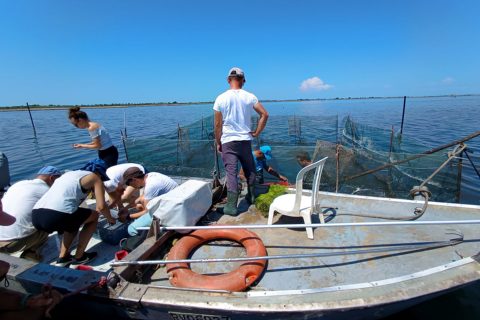
Clams more resistant to heat and Perkinsus: research paves the way for selective breeding
Padua, Italy, 16/10/2026 | University of Padua researchers explain to misPeces the findings presented at Aquaculture Europe 2026 and the steps needed to transfer them to hatcheries. Initial applications could emerge within the next two or three years, although the relationship between resistance, growth and other production traits still need to be assessed