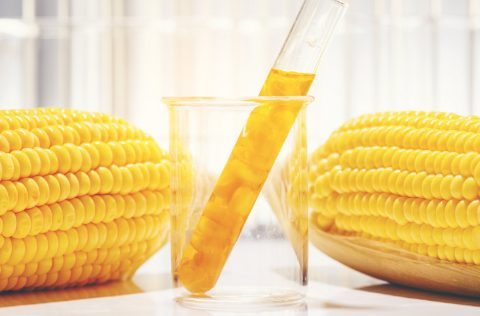
By-products of maize derived from the ethanol production process, such as dried distillers grains with solubles and fermented maize protein, have caught the attention of aquaculture feed formulators for their high nutritional properties, particularly in proteins, fibres, and fats.
Subjected to a fermentation process, these ingredients have been adapted to meet the specific needs of piscicultural species and crustaceans produced in aquaculture, as evidenced in nutritional trials.
The use of these ingredients not only reinforces this circular approach to the use of agro-industrial co-products but also demonstrates the enormous role of aquaculture in promoting sustainability, reusing these raw materials, and minimising carbon emissions.
The effectiveness of these ingredients has been proven in several species such as rainbow trout, European seabass, catfish, and turbot. For example, in diets for European seabass, it has been recommended to consider the influence of phytic acid on the digestibility and absorption of nutrients, a problem that can be mitigated with the addition of the enzyme phytase.
In studies with rainbow trout, the incorporation of 15% of these distillates has shown notable improvements in food intake, feed conversion, and weight gain. For inclusion levels of 20 to 40%, it is advisable to add essential amino acids such as lysine to compensate for deficiencies.
For juvenile turbot, research indicates that the inclusion of these ingredients should be more cautious, establishing an optimal range between 17.5% and 25% to replace fishmeal, as higher inclusions can compromise nitrogen metabolism and energy efficiency, affecting growth.
It is important to note that the inclusion of these by-products should be studied to cover the specific needs according to the species, size, and age of the fish in aquaculture.
Finally, it is vital to highlight the ongoing advances in the maize value chain towards greater sustainability, with clear goals for 2030. Integrating these ingredients into aquaculture nutrition not only leverages these advances but also drives forward the global environmental agenda.
Once again, aquaculture proves to be an option that promotes the sustainability of other industries, thus fulfilling the One Health goal of the planet.

Related

Latest In-depth
-
Clams more resistant to heat and Perkinsus: research paves the way for selective breeding
Padua, Italy, 16/10/2026 | University of Padua researchers explain to misPeces the findings presented at Aquaculture Europe 2026 and the steps needed to transfer them to hatcheries. Initial applications could emerge within the next two or three years, although the relationship between resistance, growth and other production traits still need to be assessed