
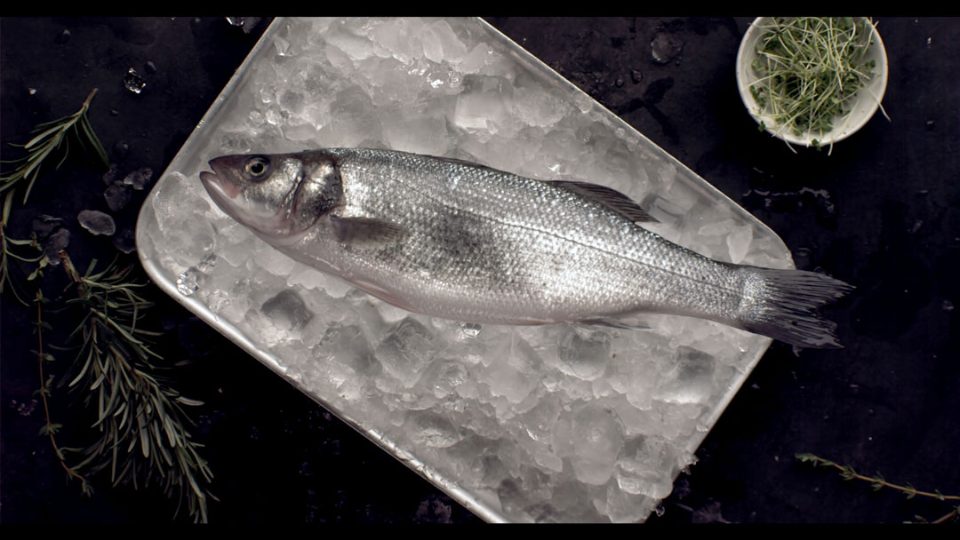
Reducing fish oil use during much of the grow-out period does not necessarily mean sacrificing the omega‑3 content of the final product. This is the conclusion of researchers Sadasivam Kaushik, from the Ecoaqua Institute at the University of Las Palmas de Gran Canaria (ULPGC) and INRA in Saint-Pée-sur-Nivelle, France, and Douglas R. Tocher, from the Institute of Marine Biology at Shantou University and the Guangdong Provincial Key Laboratory of Marine Biotechnology and Marine Biology, China.
In a review published in Reviews in Aquaculture, the authors examine studies in which finishing diets are used to alter the fatty acid profile of fish fillets before harvest.
The strategy involves rearing fish on feeds containing less fish oil — or more vegetable oils — and then supplying a diet with a higher content of long-chain omega‑3 fatty acids, such as EPA and DHA.
The authors note that this approach has been studied in several species, including gilthead seabream (Sparus aurata) and European seabass (Dicentrarchus labrax).
Because these marine species have lower fat levels in their muscle, the period needed to adjust the fillet’s profile could be around six weeks. The review reports longer periods for salmon, ranging from three to six months depending on fish size, fat content and the extent to which fish oil has been replaced.
There is no one-size-fits-all timeframe. It depends on the fillet’s initial composition and the omega‑3 level being targeted.
The authors also identify a challenge in applying the method commercially: harvesting from the same production unit may extend over several months, making it difficult to set and manage a consistent finishing period.
EPA and DHA are increasingly limited resources
The review places this strategy in the context of EPA and DHA availability. According to the data it cites, global fish oil production remains below one million tonnes a year, with around 65% of the supply used in aquafeeds in 2024.
The paper also examines alternative sources of these fatty acids, including microalgal oils, as well as selective breeding for fish with a greater ability to produce or retain them.
The authors note that microalgal oils are already used in feeds and can supply EPA and DHA. However, estimates of production volumes should be treated with caution because of methodological differences and limited data availability.
The review does not report a new commercial trial, nor does it show that finishing diets reduce fish oil use by 50% in gilthead seabream or European seabass. That figure comes from studies in salmon. Its main contribution for Mediterranean aquaculture is to identify a way of managing the balance between feed formulation and the nutritional value of the fillet. Its feasibility will depend on costs, species-specific responses and harvest planning.
Scientific reference: Kaushik, S. and Tocher, D. R. (2027). “Securing Long-Chain Omega-3 Fatty Acid Supply for Sustainable Aquaculture Development and Human Nutrition”. Reviews in Aquaculture, 19, e70223. https://doi.org/10.1111/raq.70223

Related

Latest In-depth
-
Clams more resistant to heat and Perkinsus: research paves the way for selective breeding
Padua, Italy, 16/10/2026 | University of Padua researchers explain to misPeces the findings presented at Aquaculture Europe 2026 and the steps needed to transfer them to hatcheries. Initial applications could emerge within the next two or three years, although the relationship between resistance, growth and other production traits still need to be assessed