
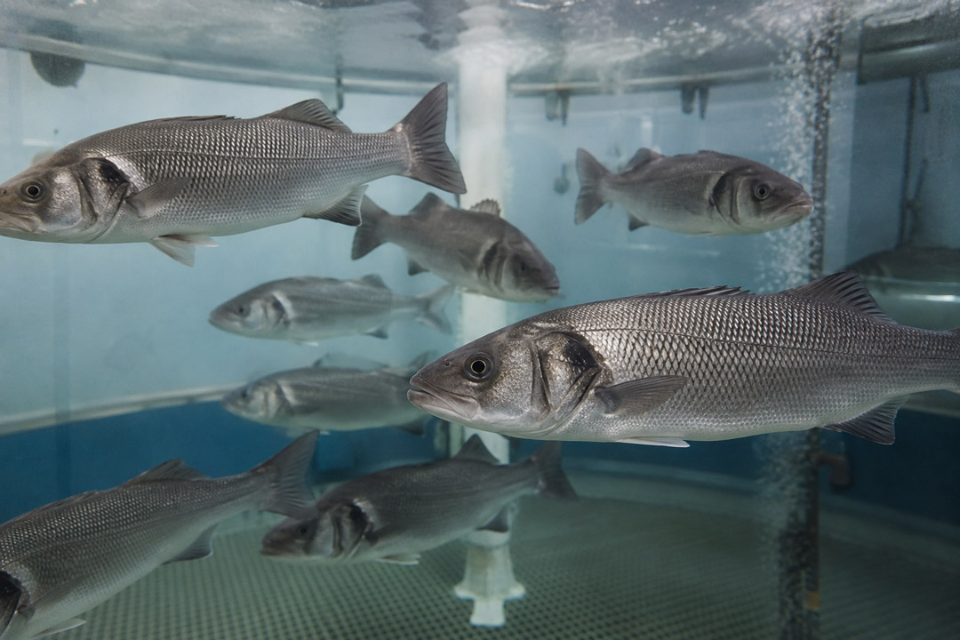
Water quality monitoring and fish-freshness control are usually treated as two separate tasks: one during farming and the other once the product leaves the farm.
A recent review by researchers from the Department of Aquaculture and National Taiwan Ocean University proposes linking these two ends of the chain through nanosensors capable of continuously detecting key compounds in water, fish and, potentially, packaging.
The approach starts from a reality well known to producers. Variations in pH, ammonia, nitrite, nitrate, phosphate, carbon dioxide or hydrogen sulphide can provide early warning of welfare, performance or mortality problems.
After harvest, some of these indicators – together with other compounds generated by microbial spoilage – can also provide information on changes in quality and commercial shelf life.
The aim is not simply to install smaller sensors. It is to integrate their data into a decision-making chain: adjusting aeration, feeding, water exchange or biofiltration performance during farming; strengthening grading and handling before harvest; and then monitoring product stability throughout chilling, transport and marketing.
For aquaculture farms, this approach could support a shift from spot measurements to more continuous and traceable monitoring. Once validated, it could help link incidents in the production system to the final quality of each batch, identify deviation before they become commercial losses, and provide useful information for cold-chain management.
However, the authors stress that is a developing technological field, not a solution ready for widespread farm deployment. Nanosensors must demonstrate stability over extended periods in saline water affected by turbidity, organic matter and biofouling, while retaining reliable calibration and remaining affordable ot manufacture.
Practical issues also remain unresolved, including sensor lifespan, maintenance, interoperability with existing control systems and, where sensor are used in packaging or in contact with food, regulatory requirements.
Before adopting these technologies, producers should therefore ensure that they can deliver sustained results under conditions comparable to their own facilities, including performance under salinity and biofouling, recalibration frequency, replacement costs and effective integration of the data into day-to-day farming decisions.

Related

Latest In-depth
-
Clams more resistant to heat and Perkinsus: research paves the way for selective breeding
Padua, Italy, 16/10/2026 | University of Padua researchers explain to misPeces the findings presented at Aquaculture Europe 2026 and the steps needed to transfer them to hatcheries. Initial applications could emerge within the next two or three years, although the relationship between resistance, growth and other production traits still need to be assessed