
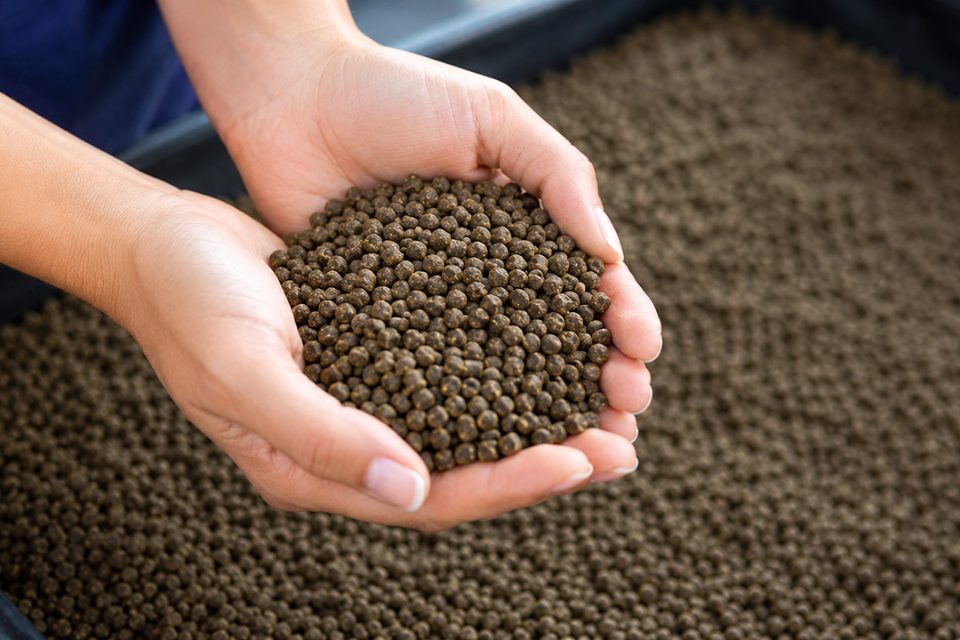
Functional feeds are gaining ground in aquaculture as a nutritional tool to strengthen gut health, modulate immunity and improve fish resistance to disease.
Their development is based on the strategic use of additives such as probiotics, prebiotics, synbiotics, phytogenic compounds, yeast derivatives, beta-glucans, organic acids, enzymes and seaweed metabolites.
Rather than acting as generic supplements, these ingredients are intended to improve specific biological functions, from feed utilisation and microbiota balance to mucosal immunity, antioxidant defence and the response to pathogens.
There is no single compound that can be considered a universal additive. Each one acts in a different way.
Probiotics are mainly associated with microbiota modulation and pathogen exclusion; prebiotics and synbiotics aim to support beneficial microorganisms; beta-glucans and yeast products are linked to immunostimulant; phytogenics and essential oils may provide antioxidant, antimicrobial or anti-inflammatory activity; and organic acids and enzymes are more directly related to digestibility, microbial control and the use of plant-based ingredients.
The response also depends on the species, production stage, dose, duration of administration, stability during feed manufacturing, basal diet composition and real farming conditions.
For this reason, the most effective strategy is to design functional programmes for specific production challenges, such as intestinal stress, diets with lower levels of marine ingredients, bacterial risk, thermal stress, poor digestibility or the need to reinforce immunity during sensitive life stages.
Commercial application still requires more dose-response trials, better product characterisation, validation under farm conditions and economic analysis.
Commercial application still requires more dose-response trials, better product characterisation, validation under farm conditions and economic analysis.
Caution is also needed, as functional feeds do not replace biosecurity, vaccination, water quality of health management.
They are an additional tool within precision nutrition strategies, with measurable production objectives and adapted to each species and farming system.

Related

Latest In-depth
-
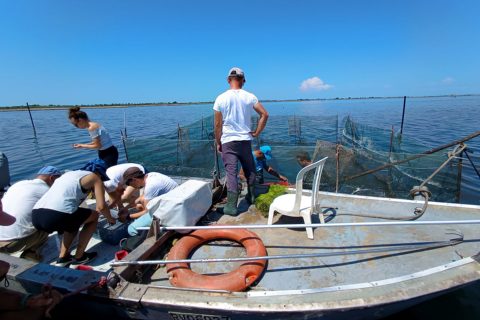
Clams more resistant to heat and Perkinsus: research paves the way for selective breeding
Padua, Italy, 16/10/2026 | University of Padua researchers explain to misPeces the findings presented at Aquaculture Europe 2026 and the steps needed to transfer them to hatcheries. Initial applications could emerge within the next two or three years, although the relationship between resistance, growth and other production traits still need to be assessed