
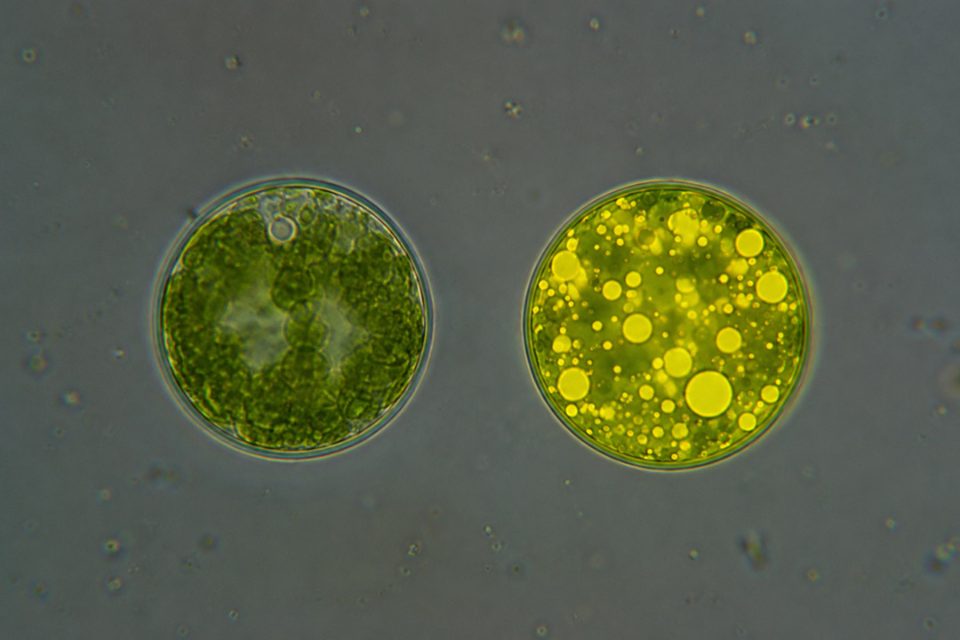
Microalgae, used in aquaculture primarily as feed for larvae, molluscs and zooplankton, could take on a different role through gene editing: becoming cells capable of producing molecules with a predefined nutritional, health or production function.
Rather than simply selecting species with the most desirable natural characteristics, researchers can target specific genes to increase the synthesis of carotenoids, lipids, proteins, enzymes or antimicrobial peptides.
Strains capable of expressing antigens that once ingested, could stimulate immune responses in fish, crustaceans or molluscs are also being investigated.
On of the most promising applications is to use the microalga itself as an oral delivery vehicle, protecting and carrying functional compounds through feed or live food while potentially reducing extraction and purification requirements.
The potential is not limited to animal health. Genetic engineering is also being explored to increase the production of omega-3 fatty acids, pigments used in aquafeed, enzymes that improve nutrient utilisation, and strains capable of growing on resources derived from other productive activities.
In RAS, certain microalgae could also help recover nutrients or utilise the carbon dioxide generated during production.
However, producing a useful molecule in the laboratory does not mean that a strain can do so reliably and cost-effective at industrial scale. Productivity must be maintained over numerous cultivation cycles and under changes in temperature, lighting and culture-medium composition.
Its efficacy in animals, product safety, integration into manufacturing processes and cost compared with conventional alternatives will also need to be demonstrated.
Regulation and public acceptance will be decisive, particularly in the European Union. The first commercial applications may therefore focus on high-value compounds capable of offsetting the associated technological costs.

Related

Latest In-depth
-
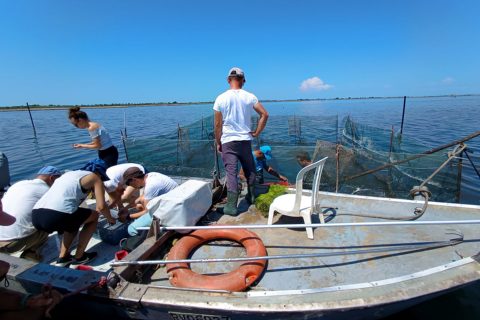
Clams more resistant to heat and Perkinsus: research paves the way for selective breeding
Padua, Italy, 16/10/2026 | University of Padua researchers explain to misPeces the findings presented at Aquaculture Europe 2026 and the steps needed to transfer them to hatcheries. Initial applications could emerge within the next two or three years, although the relationship between resistance, growth and other production traits still need to be assessed