
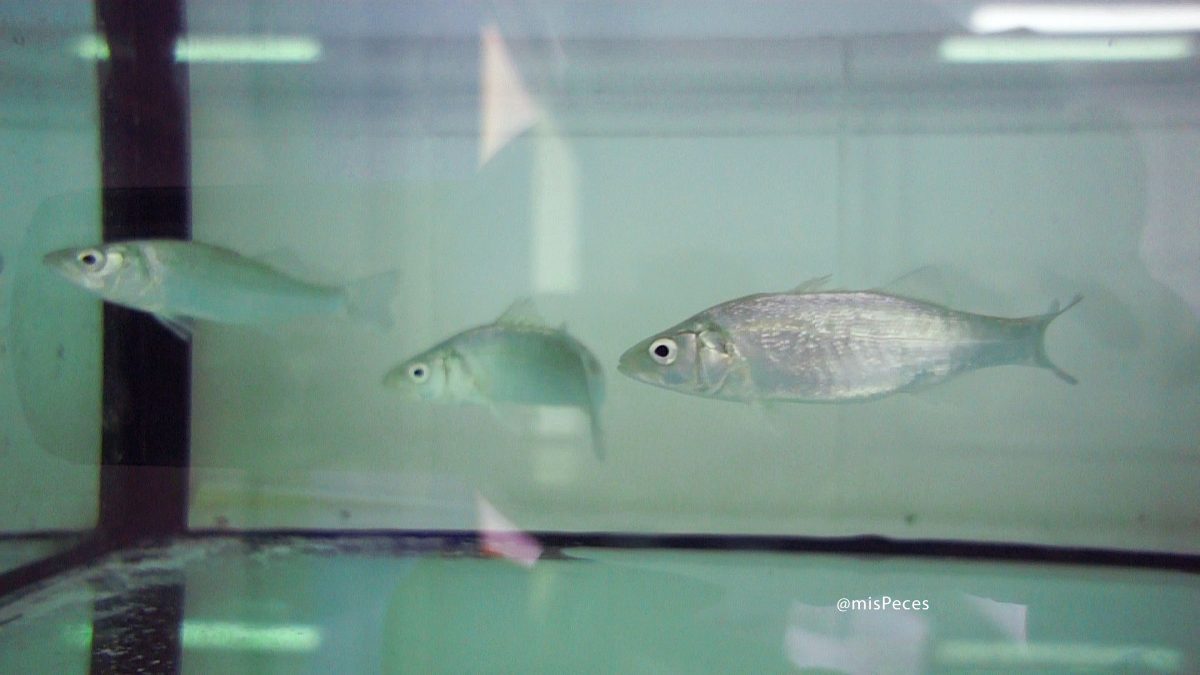
A research team led by Dr Mohsen Abdel-Tawwab at the Central Laboratory for Aquaculture Research in Egypt has provided experimental evidence confirming what many Mediterranean fish farmers have long suspected: rising water temperatures, increasingly common in open farming systems, have a direct and damaging impact on the performance and health of European seabass.
In a study published in the journal Fish Physiology and Biochemistry, researchers examined the effects of thermal stress of juvenile seabass (30-32g) kept at water temperatures of 20ºC, 23ºC, 26ºC and 31ºC over a 28-day period. The findings were unequivocal: the optimal temperature range for growth lies between 23ºC and 26ºC, while exposure to 31ºC resulted in significant deterioration across all measured indicators.
Juveniles reared at 31ºC experienced a drastic reduction in growth, achieving only a 20% weight gain compared to 67% at 26ºC. Survival rates dropped to 83% at the highest temperature, in contrast to full survivial (100%) at 26ºC. Elevated levels of cortisol and glucose-clear markers of physiological stress-were also observed, along with severe histological damage to the liver, gills and kidneys, including necrosis, tissue congestion and fusion of gill lamellae.
Additionally, elevated levels of oxidative stress biomarkers (SOD, CAT and MDA) were detected, indicating that the fish were activating their internal defence system to cope with the heat-but at a significant cost to both growth and overall health.
For aquaculture professionals, the study offers solid scientific backing for critical management decisions. Keeping water temperatures within the optimal 23-26ºC range not only promotes growth and improves feed conversion, but also reduces the risk of disease and mortality.
In the context of climate change, the research highlights the growing challenges facing Mediterranean aquaculture. The authors warn that in the coming years, water temperatures could regularly reach or even exceed 31ºC during summer-particularly in shallow ponds or land-based systems.
The study also recommends adapting farming systems and strategies to cope with extreme heat events. This includes revising thermal management protocols in RAS and semi-open systems, implementing mitigation measures such as shading, adjusting photoperiods, adopting functional feeds, and exploring genetic lines with greater thermal tolerance.
Referencia:
Abdel-Tawwab, M., Omar, A.A., Khalil, R.H., Abo Selema, T.A.M., Elsamanooudy, S.I., El-Saftawy, H.A.M., Sabry, E.A., Fawzy, R.M., & Abdel-Razek, N. (2025). Influences of thermal stress on the growth biometrics, stress indicators, oxidative stress biomarkers, and histopathological alterations in European seabass, Dicentrarchus labrax, juveniles. Fish Physiology and Biochemistry, 51:70.

Related

Latest In-depth
-
Clams more resistant to heat and Perkinsus: research paves the way for selective breeding
Padua, Italy, 16/10/2026 | University of Padua researchers explain to misPeces the findings presented at Aquaculture Europe 2026 and the steps needed to transfer them to hatcheries. Initial applications could emerge within the next two or three years, although the relationship between resistance, growth and other production traits still need to be assessed