
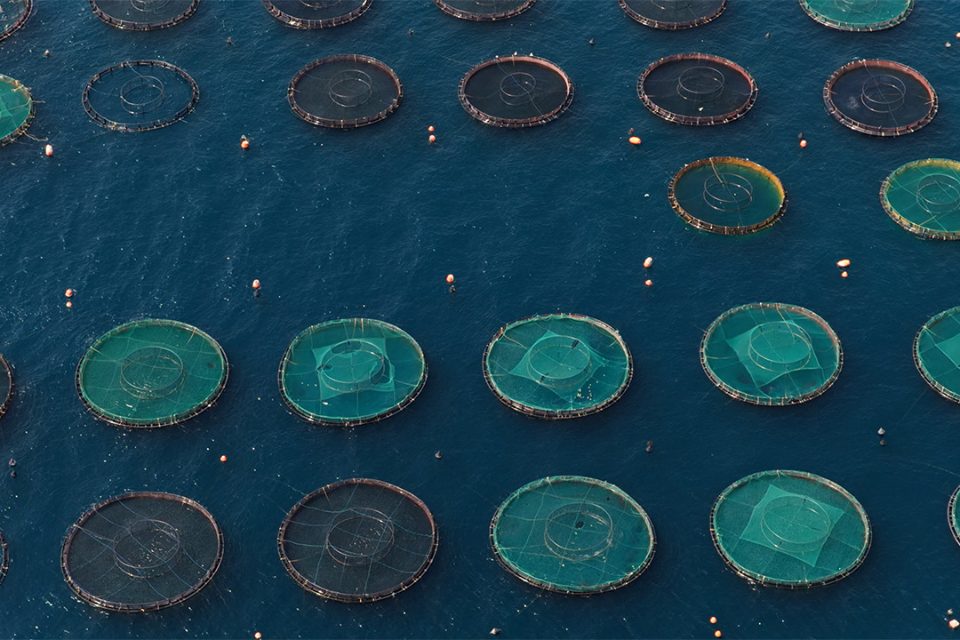
Technological innovation can improve aquaculture competitiveness, but it does not in itself guarantee higher production on exports. A study published in Aquaculture Economics & Management examines the relationship between patenting activity and trade in salmon and trout products in Europe between 2012 and 2024, identifying the ability to expand as a decisive factor in turning innovation into commercial outcomes.
The authors find that a large national stock of patents is overall, associated with higher export value and volume.
However, they also identify a decline in export unit values. This may be linked to productivity gains, changes in the mix of products traded, or a greater capacity to supply high-volume markets.
The effect is particularly evident for salmon in the major specialised producing countries.
According to the study’s estimates, a 1% increase in the stock of patents is associated with a 0.648% rise in salmon export value. These supply chains combine technological investment, production scale, established infrastructure and continued access to international markets.
For trout, by contrast, the study finds no significant relationship between patents and growth in export volume or value.
It does identify a fall in unit values, suggesting that innovation may be helping to reduce costs, improve processes or address production constraints without necessarily resulting in a stronger presence in export markets.
This difference carries an important implication for European aquaculture. Improvements in genetics, feed, fish health, automation or environmental control can raise farm efficiency, but their economic impact will remain limited if companies lack the space, licences, concessions, financing or administrative capacity to expand their operations.
Innovation and the ability to scale are therefore complementary conditions.
The analysis does not specifically examine Mediterranean species such as European seabass or gilthead seabream, so its findings should not be automatically applied to those sectors.
Nevertheless, it reinforces a central issue for European aquaculture policy: supporting R&D is essential, but innovation will only translate into greater production, employment and exports if it is a accompanied by a framework that enables companies to grow.

Related

Latest In-depth
-
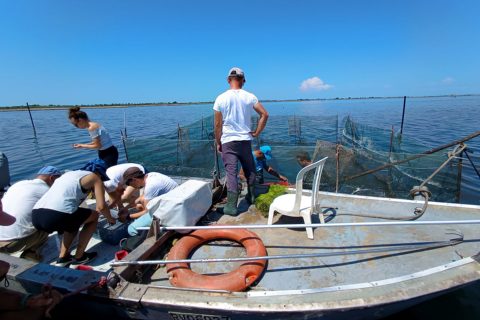
Clams more resistant to heat and Perkinsus: research paves the way for selective breeding
Padua, Italy, 16/10/2026 | University of Padua researchers explain to misPeces the findings presented at Aquaculture Europe 2026 and the steps needed to transfer them to hatcheries. Initial applications could emerge within the next two or three years, although the relationship between resistance, growth and other production traits still need to be assessed