
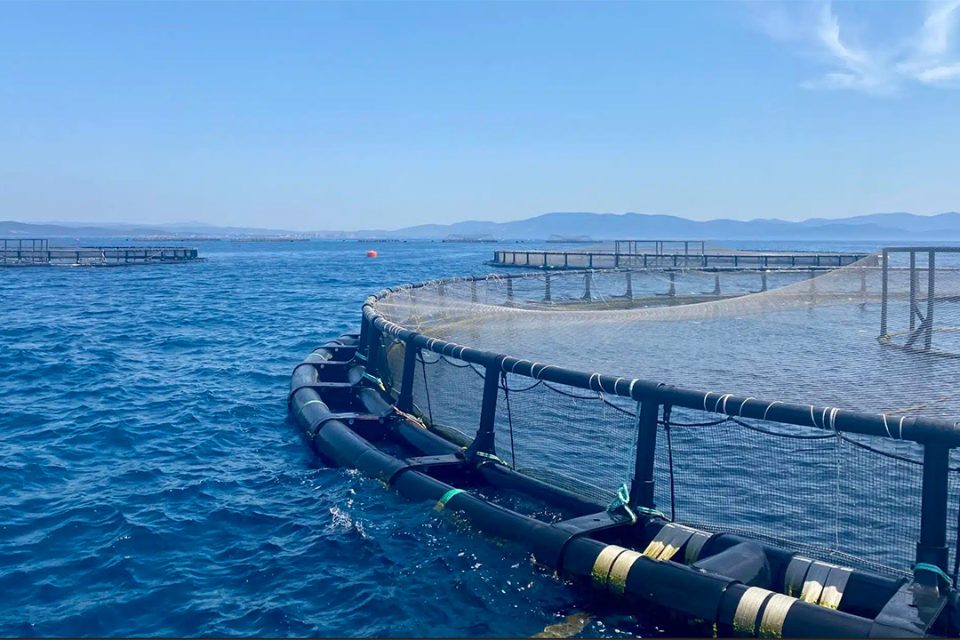
Italian farmed fish production reached 52,700 tonnes in 2025, up 3.3% on 2024 but still 14.7% below 2019 levels. Figures published by the Italian Fish Farmers Association (API) show an uneven recovery, with trout accounting for most of the annual increase and contrasting longer-term trends in sea bass and sea bream.
The total value of production rose by 1.5% to €292 million. However, the increase does not establish whether producers achieved better margins, as the figures do not account for production costs or inflation.
Trout output increased by 5.6% to 30,300 tonnes, compared with 28,700 tonnes in 2024. The additional 1,600 tonnes accounted for approximately 94% of the net increase in national fish production. Despite this recovery, trout production value remained virtually unchanged at €114.9 million, against €115 million a year earlier. Output was still 18.1% below the 37,000 tonnes recorded in 2019, while nominal production value was 4.4% lower.
European seabass and gilthead seabream follow different paths
Combined sea bass and sea bream production fell by 3.3% year on year to 14,500 tonnes, although its value increased by 2% to €130.1 million. This indicates a higher average production value per tonne, but the figures alone do not explain the change or demonstrate improved profitability.
The comparison with 2019 reveals a clear difference between the two species. Sea bream production reached 9,600 tonnes in 2025, broadly unchanged from 9,500 tonnes six years earlier. Its nominal production value increased by 15.1%, from €73.4 million to €84.5 million.
Sea bass output declined from 7,400 to 4,900 tonnes over the same period, a fall of 33.8%. Production value dropped by 24%, from €60 million to €45.6 million. Together, the reductions in trout and sea bass account for almost all of Italy’s 9,100-tonne production shortfall compared with 2019.
Hatchery growth has yet to translate into equivalent domestic grow-out volumes
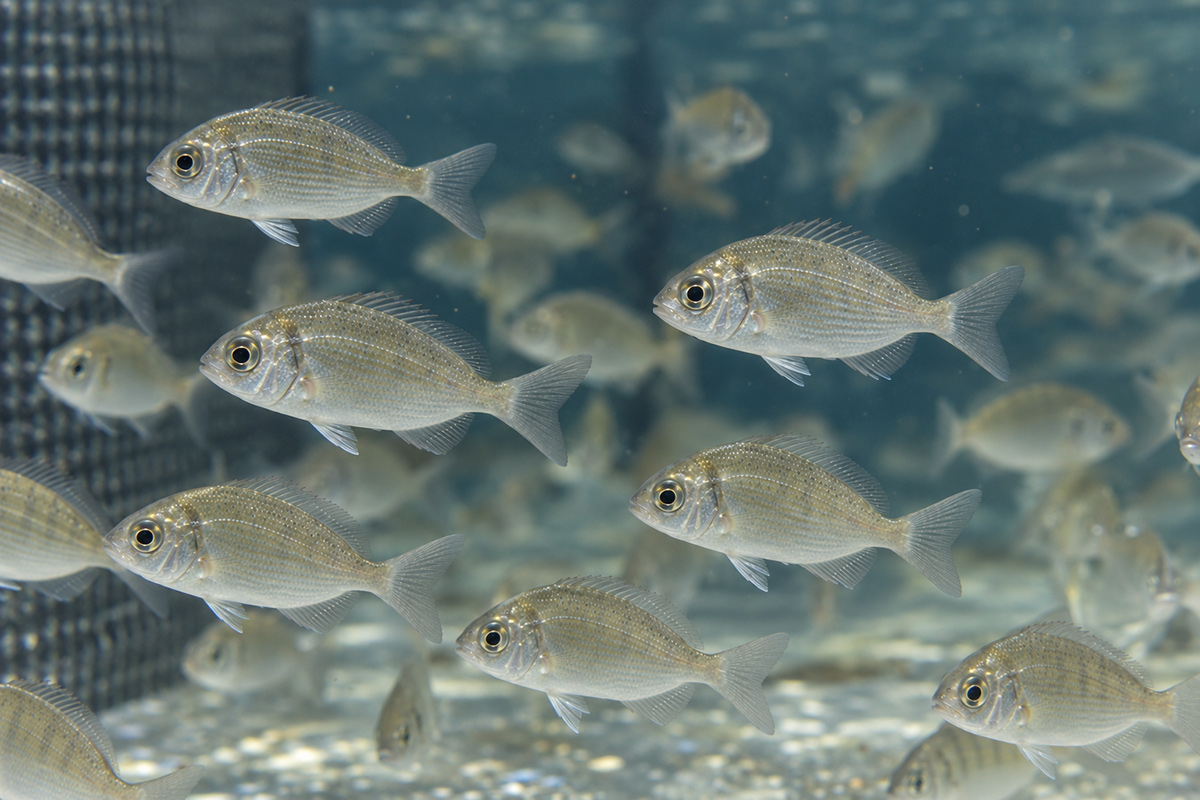
Hatchery figures show a different trend. Between 2019 and 2025, reported sea bass juvenile production increased from 40 million to 61 million fish, while sea bream production rose from 90 million to 145 million. Production of eyed rainbow trout eggs also expanded, from 220 million to 285 million.
These figures indicate growth in juvenile and egg production, but do not specify their destination. They therefore cannot establish how much supplies Italian farms or predict subsequent domestic grow-out volumes.
Overall, Italy’s nominal fish production value remained just 2.8% below its 2019 level, despite a 14.7% reduction in tonnage. For producers, suppliers and investors following Mediterranean aquaculture, the figures highlight divergent trends across species and production stages. Assessing their commercial implications requires additional evidence on costs, trade flows and sales composition.
Source: Italian Fish Farmers Association (API), 2025 production figures. Percentage changes calculated from API data for 2019, 2024 and 2025. The 2024 sea bass production value used here is €45.5 million, as reported in API’s downloadable statistical sheet and consistent with the totals; the webpage lists €54.2 million. All monetary comparisons are in nominal terms, without adjustment for inflation.

Related

Latest In-depth
-
Ocean Aquaculture begins work on Spain hatchery designed to produce eight million greater amberjack juveniles a year
Almería, Spain, 9 September 2026 | The first phase will involve an investment of around €15 million and is expected to begin production in January 2028, supplying both the group’s future offshore farms and other Mediterranean producers