
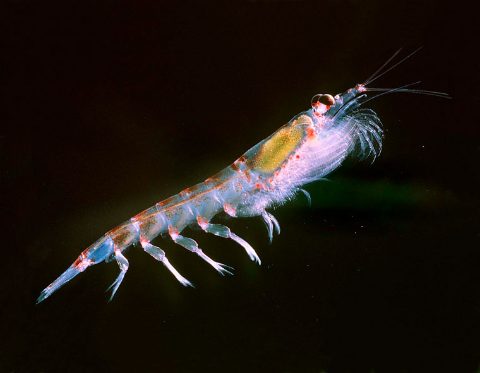
The Antarctic krill fishery has ended early for the second consecutive year after reaching the 620,000-tonne trigger established by the Commission for the Conservation of Antarctic Marine Living Resources (CCAMLR). The season was due to remain open until 30 November, but the regulatory mechanism prevents further fishing once this combined limit has been reached across Subareas 48.1 to 48.4.
The closure does not reflect a collapse of the resource or constitute a ban on the activity. The authorised catch represents less than 1% of the approximately 63 million tonnes of biomass estimated in Area 48. Nevertheless, the fishery has once again exhausted its operating margin after catches increased from 424,203 tonnes in 2023 to 498,350 tonnes in 2024 and exceeded 620,000 tonnes in 2025.
For aquaculture, the immediate effect should be limited because the fleet has already landed virtually the entire permitted volume, similar to the previous season and higher than in 2024.
The resulting krill meal and oil are also marketed through inventories and contracts, meaning that the August closure does not automatically interrupt supplies ot feed mills.
The main signal is a medium-term one: krill supply has reached its regulatory ceiling while demand from aquaculture, human nutrition and pet food continues to grow. Without a new agreement within CCAMLR, the effective limit cannot be increased towards the 5.61 million tonnes calculated for Area 48.
Any expansion would first require catches to be allocated among smaller spatial management units and the feeding grounds of whales, penguins and seals to be protected.
In aquafeeds, krill is used primarily as a functional ingredient rather than as a bulk protein source. Its digestible proteins, phospholipids, EPA and DHA, astaxanthin and palatability-enhancing compounds can strengthen low-fishmeal diets, particularly for salmonids, marine fish and shrimp.
I can be replaced with combinations of marine meals and oils, algal oils, lecithins and hydrolysates, although it is difficult for any single ingredient to reproduce all its functions.

Related

Latest In-depth
-
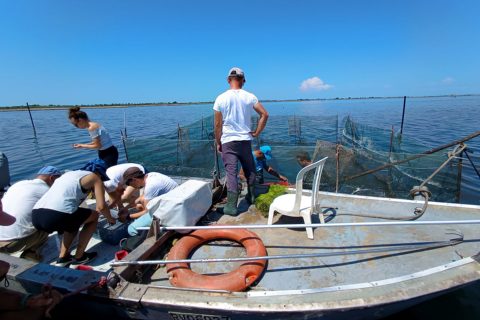
Clams more resistant to heat and Perkinsus: research paves the way for selective breeding
Padua, Italy, 16/10/2026 | University of Padua researchers explain to misPeces the findings presented at Aquaculture Europe 2026 and the steps needed to transfer them to hatcheries. Initial applications could emerge within the next two or three years, although the relationship between resistance, growth and other production traits still need to be assessed