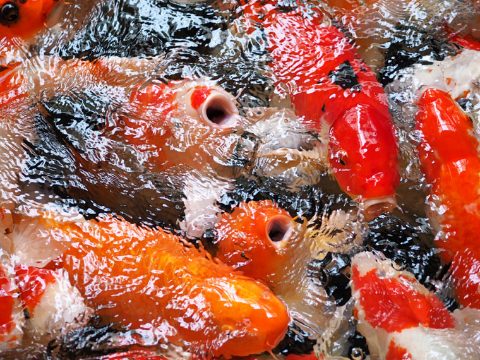
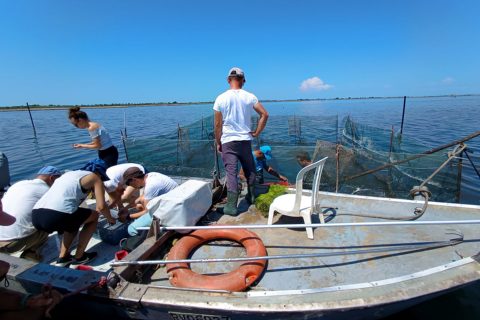
The adoption of advanced technologies in aquaculture goes beyond the scope of fish and shellfish production for human consumption, as they are also being applied in the fascinating world of aquarium fish.
The breeding of Koi carp (Cyprinus carpio var. Koi), known for their ornamental beauty and economic value, with some specimens fetching up to a million dollars, is undergoing significant innovations and facing challenges in the global market.
Among the most notable innovations are breeding in Recirculating Aquaculture Systems (RAS) and the Ornamental Fish Warehousing (OFWare) system.
The application of these farming techniques allows for continuous monitoring of water quality and significantly improves the efficiency and profitability of the culture. Additionally, aquaponic systems, which combine fish farming and plant cultivation, are optimising resource use and reducing environmental impact, promoting more sustainable management.
In the field of genetic selection, some of the most notable innovations include the use of techniques such as molecular sexing, which allows for selective breeding of fish with more attractive colours for the market of this species.
Feeding techniques and the supplementation of fish feeds are also highlighted for promoting better growth and pigmentation of Koi carp, increasing their value and appeal in the market.
As for challenges, the industry still faces a lack of in-depth genetic research, which limits the development of targeted improvements in specific fish characteristics. Furthermore, research on diseases affecting Koi carp is insufficient, hindering effective health management.
Lastly, the growing international trade in Koi carp raises questions about the challenges and effects of cross-breeding fish from different regions. This phenomenon underscores the need for more comprehensive studies to evaluate these impacts and propose sustainable solutions through holistic approaches that not only improve production efficiency but also raise animal welfare standards.