
Aquaculture has emerged as an essential sector for supplying healthy and nutritious food both locally and globally, particularly in a context of increasing demand for protein and ever more limited fishery resources. These resources are produced by companies that, thanks to scientific and technological advances, have been able to adapt these innovations to optimize sustainable production, improve resource efficiency, and ensure food quality and safety.
The business development of aquaculture is considered vitally important and is based on several fundamental pillars, among which sustainability and innovation stand out, with legal certainty being one of the most critical.
Providing aquaculture companies with a clear, stable, and predictable legal framework is crucial for fostering investment, innovation, and long-term growth. Uncertainty hinders the willingness of entrepreneurs and investors to continue investing in new technologies, expanding their operations, or even maintaining current levels of production.
A stable legal framework allows companies to plan for the long term, secure financing, and establish commercial relationships with the certainty that the rules will not change arbitrarily. Moreover, it promotes transparency and fairness, which are essential for attracting both national and foreign investment.
According to ongoing statements from various sector stakeholders, including the Aquaculture Advisory Council in Europe—a consultative body to the European Commission and Member States on aquaculture matters—progress has been made in creating a regulatory framework that supports aquaculture development, such as the Common Fisheries Policy or the European Maritime, Fisheries and Aquaculture Fund. However, challenges remain that have generated some dissatisfaction among entrepreneurs and investors.
Bureaucracy and prolonged timelines for obtaining licenses are recurrently cited as obstacles, affecting competitiveness and the capacity for expansion.
In the case of Spain, efforts to harmonize regulations and promote sustainable aquaculture are also recognized. Nevertheless, there is also emphasis on issues related to administrative complexity and a lack of clarity in certain regulations. Furthermore, adaptation to European regulations has created tensions between the need to meet strict environmental standards and the economic viability of aquaculture operations.
What can be done to improve this situation? In addition to reducing bureaucracy and improving the time it takes to obtain licenses, there should be a promotion of dialogue through more fluid communication between authorities, entrepreneurs, and other sector actors to ensure that regulations reflect both market needs and environmental requirements.
Being aware of the opportunities and limitations can significantly contribute to creating a more favorable environment for the development of the aquaculture sector, aligning the expectations of investors and entrepreneurs with national and European policies.

Related
Latest In-depth
-
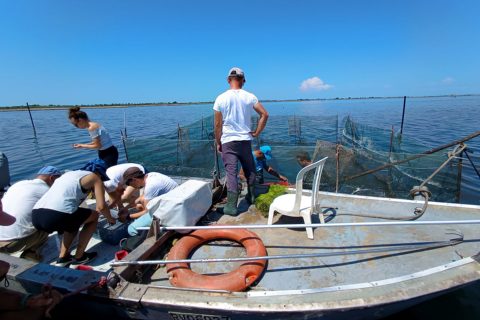
Clams more resistant to heat and Perkinsus: research paves the way for selective breeding
Padua, Italy, 16/10/2026 | University of Padua researchers explain to misPeces the findings presented at Aquaculture Europe 2026 and the steps needed to transfer them to hatcheries. Initial applications could emerge within the next two or three years, although the relationship between resistance, growth and other production traits still need to be assessed