The Mediterranean has always been more than just a sea. It is history, culture, and, for many, a vital source of livelihood. Over the years, I’ve had the privilege of exploring and sharing the advancements in the aquaculture sector through misPeces. Now, as we look toward 2025, I feel it is our time to take a more active role in promoting and elevating Mediterranean aquaculture.
At misPeces, we are convinced that this sea, with its unparalleled biodiversity and cultural health, is a genuine treasure. But it’s not only its beauty that stands out: the Mediterranean is an economic engine and a natural pantry for millions. Species such as gilthead seabream, European seabass, and mussles-key elements of the Mediterranean diet-do more than just nourish; they fuel economies, providing jobs and stability to countless families. Yet, despite this, aquaculture in the region remains, in many ways, an untold story.
Our goal for 2025 is clear: we want the world to better understanding this sector. We aim to highlight its significance in food security, economic sustainability, and environmental protection. To achieve this, we are committed to intensifying our efforts to inform, educate, and connect everyone involved.
One of our main challenges will be addressing the pressing issues facing Mediterranean aquaculture. Climate change is already making its mark, altering water temperatures and marine ecosystems. Additionally, challenges such as invasive species and competition for maritime space demand integrated solutions. We believe that, though awareness and collaboration, we can contribute to tackling these obstacles.
This year, we will also shine a spotlight on the innovative initiatives reshaping the sector. From circular economy practices to technological advancements that minimize environmental impact, we are determined to amplify the voices of those driving change. Moreover, we will focus on training the next generation of aquaculturists-future guardians of the Mediterranean.
Our mission would not be possible without cooperation. Therefore, in 2025, we will strengthen our network of partnership with researchers, producers, institutions, and, of course, our readers. We want misPeces to be a space where knowledge is shared, discussions are fostered, and ideas are exchanged.
The Romans called the Mediterranean Mare Nostrum-“Our Sea”-not only because the claimed it as their own but because they recognised its value as a shared source. At misPeces, we embrace this vision. This sea belong to everyone, and we all share the responsibility of preserving and promoting it.
Throughout 2025, we will work to ensure that Mediterranean aquaculture is not only better understood but also more appreciated.
We firmly believe that by protecting and supporting this sector, we are building a more sustainable and prosperous future for everyone who relies on it. I invite you to join us on this journey. Together, we can make a difference.

Related
Latest In-depth
-
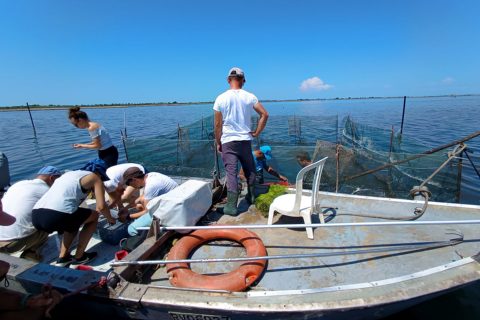
Clams more resistant to heat and Perkinsus: research paves the way for selective breeding
Padua, Italy, 16/10/2026 | University of Padua researchers explain to misPeces the findings presented at Aquaculture Europe 2026 and the steps needed to transfer them to hatcheries. Initial applications could emerge within the next two or three years, although the relationship between resistance, growth and other production traits still need to be assessed