
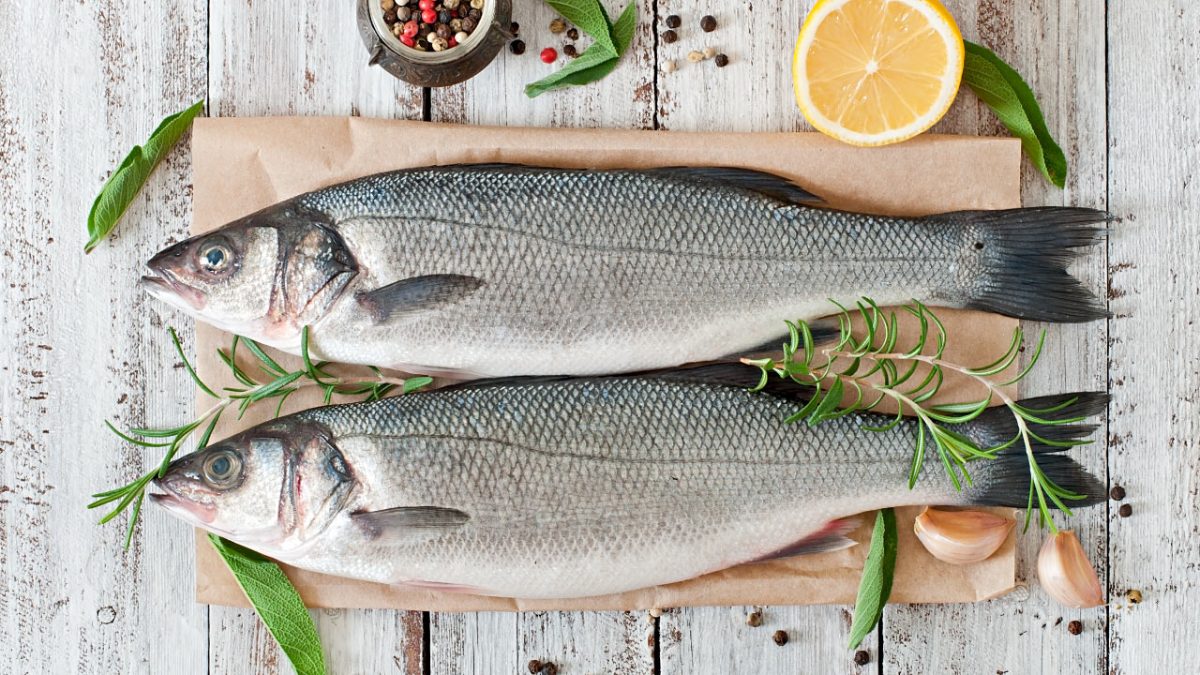
Finishing diets enriched with microalgal oil could become a useful tool for restoring part of the nutritional value lost when fish oil use is reduced in aquafeed. A study conducted on European seabass (Dicentrarchus labrax) shows that this strategy can partially restore EPA and DHA levels in fillets following prolonged feeding with terrestrial vegetable oils.
Reducing dependence on fish oil has become one of the main priorities in aquaculture nutrition. However, although alternative ingredients such as terrestrial vegetable oils can maintain growth performance and production efficiency, they often lead to llower levels of long-chain omega-3 fatty acids in the final product.
To address this challenge, researchers from the Aristotle University of Thessaloniki evaluated different finishing diet strategies using oils derived from the microalgae Nannochloropsis and Schizochytrium, two natural sources of EPA and DHA.
Over a 25-week trial, they compared conventional fish oil-based diets with formulations in which fish oil was partially replaced by rapeseed oil or by microalgal oils.
The results showed that growth performance, feed conversion and body composition were not affected by the different dietary treatments. However, fillet fatty acid composition responded clearly to the lipid source used. Fish fed rapeseed oil for extended periods exhibited lower EPA and DHA concentrations and higher omega-6 levels.
To reverse this effect, the researchers applied a finishing phase during the final twelve weeks of the trial. Both of fish oil and microalgae-based diets improved the fatty acid profile of the fillets, although recovery was more complete in fish receiving fish oil.
The finishing diets also helped restore liver and intestinal morphological and histological parameters, with no negative effects on fish health being observed.
Microalgae are emerging as promising alternative for maintaining omega-3 levels in fish fed alternative ingredients, although they do not yet fully match the effectiveness of fish oil.
Reference
Henry MA, Fountoulaki E, Mastoraki M, Chronopoulos P, Kogiannou D, Vasilaki A, Nikoloudaki C, Theillier E, Chatteleyn M, Karapanagiotidis IT. 2026. Effects of Fish Oil and Microalgae Finishing Diets on Fillet Fatty Acid Recovery, Liver and Intestine Histology and Innate Immune Parameters of European Sea Bass (Dicentrarchus labrax) Fed with Rapeseed Oil. Preprints. DOI: 10.20944/preprints202606.0696.v1.

Related

Latest In-depth
-
Clams more resistant to heat and Perkinsus: research paves the way for selective breeding
Padua, Italy, 16/10/2026 | University of Padua researchers explain to misPeces the findings presented at Aquaculture Europe 2026 and the steps needed to transfer them to hatcheries. Initial applications could emerge within the next two or three years, although the relationship between resistance, growth and other production traits still need to be assessed