
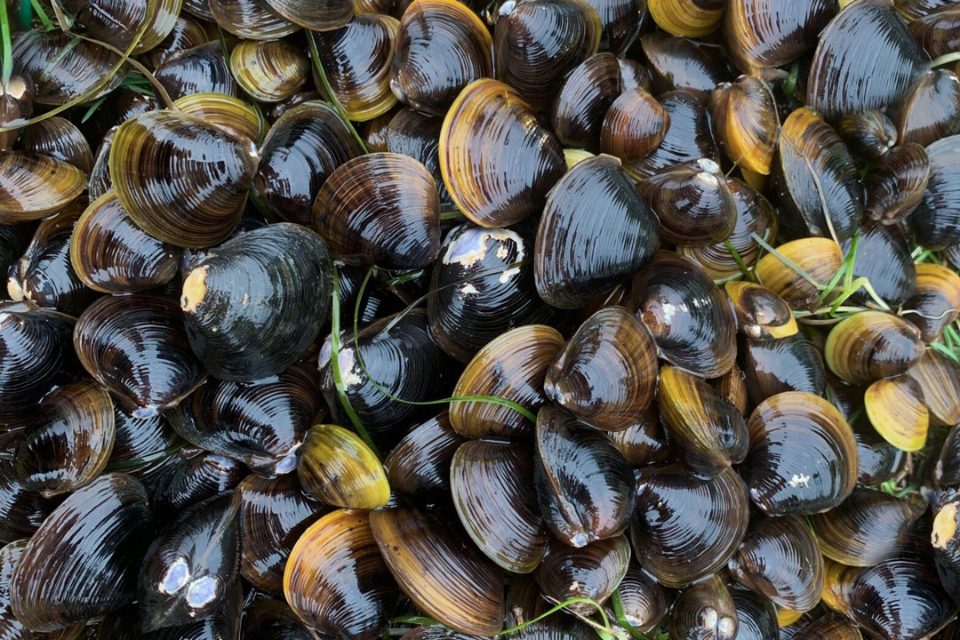
The sex of the Mediterranean mussel (Mytilus galloprovincialis) may have a meaningful influence on the nutritional profile of the marketed product. A study published in Frontiers in Marine Science, led by researchers at the University of Bologna, in Italy, found marked differences in lipid fractions and several micronutrients between female and male groups of Mytilus galloprovincialis, while proximate composition – moisture protein, ash and carbohydrates – remained largely unchanged.
The analysis used farmed mussels purchased in March 2025 from retailers in Naples and Bologna, originating from the Gulf of Oristano in Sadinia and Goro in the Po Delta. After confirming the sex of the animals, the researchers combined around 60 individuals of each sex into two pooled samples, of roughly 450 grams each, to analyse lipids, fatty acids, minerals and vitamin B12.
The female sample showed a more favourable lipid and micronutrient profile than the male sample. The differences were particularly clear for polyunsaturated fatty acids, total omega-3 and the combined EPA and DHA content, as well as vitamin B12, iron, selenium and iodine. Males, by contrast, recorded higher sodium and zinc values.
| Indicator | Females compared with males |
|---|---|
| Total lipids | +25.6% |
| Polyunsaturated fatty acids (PUFA) | Approximately five times higher |
| Total omega-3 | Nearly six times higher |
| EPA + DHA | 382 versus 28 mg/100 g |
| Vitamin B12 | +77% |
| Iron | +56% |
| Selenium | +24% |
| Iodine | +29% |
Methodological note: pilot study based on one pooled sample per sex, with no biological replicates. The results do not allow the observed differences to be attributed exclusively to sex.
The authors link part of these differences to the metabolic investment made by females during oocyte interpretation will need to be tested through experimental designs that independently control for animal origin, feeding, season and reproductive status.
The findings open a possible route for commercial differentiation of mussels, both through sex-based sorting after harvest and, over the longer term, through selective breeding programmes.
In Mediterranean mussels, offspring sex ratio may be largely influenced by the mother, so the researchers suggest exploring lines with a higher proportion of females if these nutritional differences can be confirmed consistently.
Nevertheless, the study itself stresses that this is preliminary evidence. Only one pooled sample per sex was analysed, with no biological replicates, and the groups included mussels from two production areas.
The design therefore cannot attribute the differences exclusively to sex or assess their variability. Replicated, seasonally resolved trials will be needed before considering nutrition labelling or sex-targeted farming strategies.
REFERENCIA
Danesi, P., et al. (2026). Sex-related differences in the lipid and micronutrient profile, but not in the proximate composition, of the Mediterranean mussel Mytilus galloprovincialis: a pilot study with implications for sex-targeted aquaculture. Frontiers in Marine Science, 13, 1917273. https://doi.org/10.3389/fmars.2026.1917273

Related

Latest In-depth
-
Clams more resistant to heat and Perkinsus: research paves the way for selective breeding
Padua, Italy, 16/10/2026 | University of Padua researchers explain to misPeces the findings presented at Aquaculture Europe 2026 and the steps needed to transfer them to hatcheries. Initial applications could emerge within the next two or three years, although the relationship between resistance, growth and other production traits still need to be assessed