Choosing between immersion and injection vaccination is one of the strategic decisions fish farmers face when protecting their stocks against disease. Both methods have advantages and limitations.
Injection vaccination is generally more effective, but it requires individual administration, involving fish handling, trained personnel and considerable time, particularly when large numbers of fish need to be vaccinated.
Immersion vaccination, on the other hand, allows entire batches of fish to be immunised quickly and simultaneously, although achieving sufficient and long-lasting protection remains a major challenge.
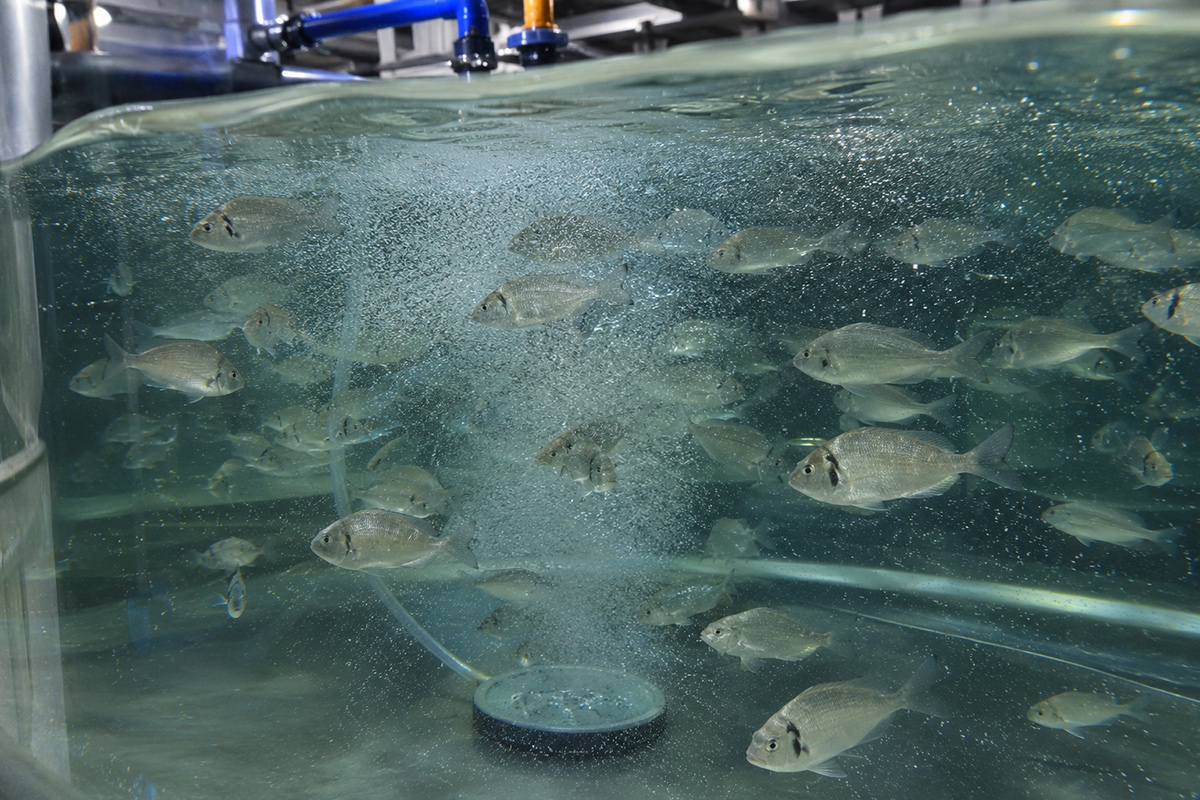
To improve immersion vaccination, researchers from the Asian Institute of Technology and Chulalongkorn University in Thailand are investigating the use of nanobubbles as a means of enhancing contact between vaccine antigens and the mucosal surfaces of fish.
In a study published in Scientific Reports, they compared nanobubble-assisted immersion protocols followed by oral boosters with conventional injection vaccination, using a vaccine against Streptococcus agalactiae, the bacterium responsible for streptococcosis in tilapia.
Laboratory trials showed that nanobubble-assisted immersion provided greater protection than conventional immersion, achieving relative percentage survival (RPS) values of 55.56% to 63.16%, compared with 16.67% to 36.84% without nanobubbles.
However, in bacterial challenge tests conducted 60 days after vaccination using fish vaccinated on the farm, injection achieved an RPS of 85.71%, whereas the nanobubble-assisted protocols achieved values ranging from 10.39% to 42.86%. RPS measures the relative reduction in mortality compared with unvaccinated fish, rather than the absolute percentage of fish surviving.
The difference was also reflected in the immune response. Injection generated a stronger antibody response, while nanobubble-assisted immersion mainly stimulated mechanisms associated with innate immunity.
The findings show that improving the immune response does not necessarily translate into equivalent protection against disease.
The researchers highlight the need to optimise vaccine formulations and vaccination schedules, while noting that co-infections and environmental conditions observed during the farm evaluation make it difficult to attribute all the results exclusively to the vaccination method used.
For now, the study demonstrates the potential of nanobubbles to improve immersion vaccination, although this approach has yet to provide the level of protection achieved through injection vaccination.
Scientific reference: Vinh, N. T., Dong, H. T., Lan, N. G. T. et al. (2026). Comparative field assessment of nanobubble-assisted immersion versus injection vaccination against Streptococcus agalactiae serotypes Ia and III. Scientific Reports. DOI: 10.1038/s41598-026-74696-w.

Related

Latest In-depth
-
Clams more resistant to heat and Perkinsus: research paves the way for selective breeding
Padua, Italy, 16/10/2026 | University of Padua researchers explain to misPeces the findings presented at Aquaculture Europe 2026 and the steps needed to transfer them to hatcheries. Initial applications could emerge within the next two or three years, although the relationship between resistance, growth and other production traits still need to be assessed