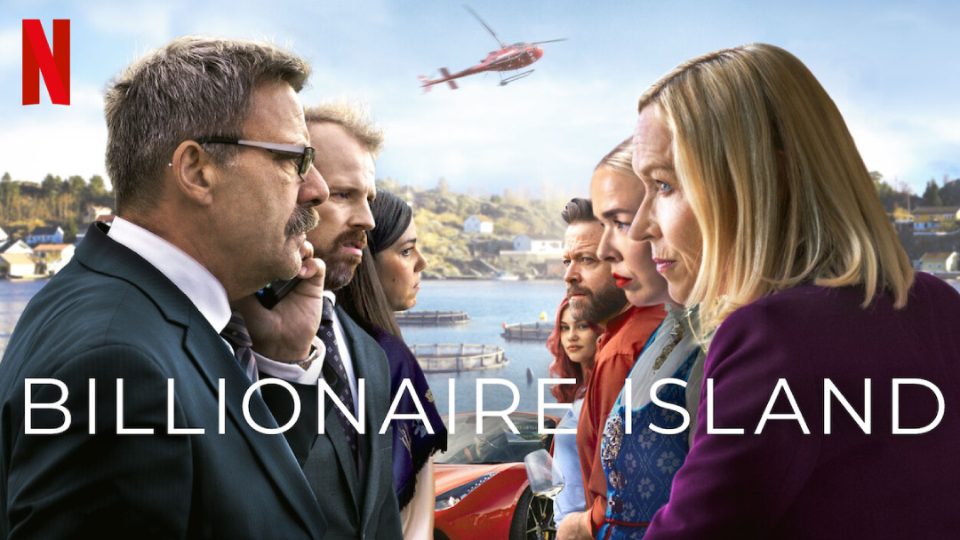
Netflix has recently premiered "Billionaire Island", a series that blends corporate drama with the captivating and often little-known world of Atlantic salmon aquaculture in Norway. This production takes viewers to a setting where business ambitions, family traditions, and the future of the salmon industry collide in a power struggle.
The story revolves around Julie Lange, the ambitious and fierce CEO of Marlax, a Norwegian company dedicated to salmon aquaculture, who seeks to consolidate her power by acquiring her biggest competitor, Meyer Fjordbruck. The central conflict erupts following the sudden death of a key shareholder, leaving a power vacuum that Julie sees as an opportunity to carry out a merger that could reshape the industry. At the heart of the narrative is Julie's battle with Gjert Meyer, the owner of Meyer Fjordbruck, who resists selling his company and succumbing to the aggressive expansion of his rival.
While the core of the series is corporate drama, what truly stands out in "Billionaire Island" is its ability to intertwine the storyline with a detailed and visually stunning look at Norway’s salmon industry throughout the six episodes of the first season, subtly and realistically addressing the current conflicts and challenges within the sector.
For those of us involved in aquaculture, it is fascinating to see a window opened into a sector rarely discussed in fiction. The carefully chosen imagery and respect for the technical details of salmon farming add value for those who, without being experts, seek to understand the impact and scale of this industry.
Others will see a series that is shaping up to be a benchmark in productions that successfully merge entertainment with a well-grounded, subtle critique of the effects of capitalism on the environment and communities.

Related

Latest In-depth
-
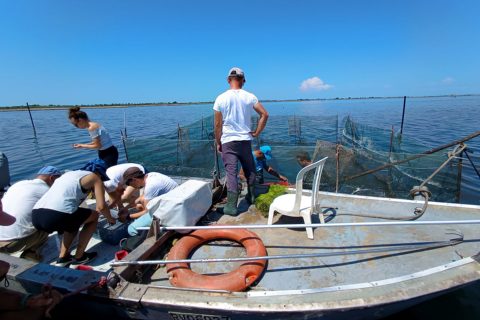
Clams more resistant to heat and Perkinsus: research paves the way for selective breeding
Padua, Italy, 16/10/2026 | University of Padua researchers explain to misPeces the findings presented at Aquaculture Europe 2026 and the steps needed to transfer them to hatcheries. Initial applications could emerge within the next two or three years, although the relationship between resistance, growth and other production traits still need to be assessed