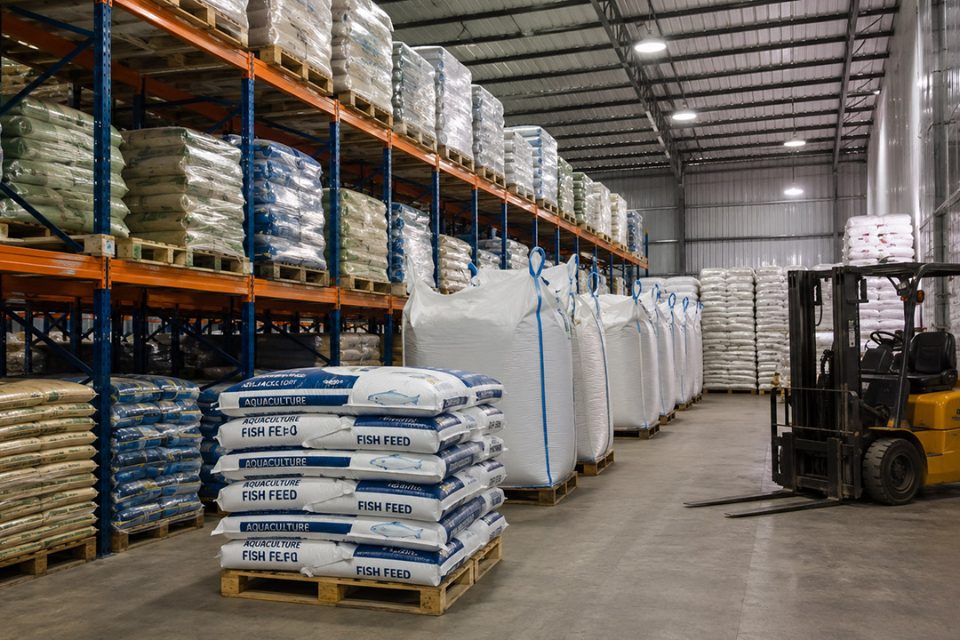
The Norwegian Food Safety Authority, Mattilsynet, is considering allowing the marketing of feed materials produced from genetically modified organisms when they have already been assessed and authorised by the European Union.
The measure would apply exclusively to ingredients intended for aquafeed and would not entail authorising genetically modified salmon.
Processed products derived from soy, maize, rapeseed and other crops currently require specific national authorisation before they can be used in Norway, even if they have already passed the European assessment process.
The reform would remove this second procedure and bring the regulatory conditions faced by Norwegian manufacturers closer to those of their EU and UK competitors.
The public consultation conducted by Mattilsynet between 17 March and 18 June revealed a divide between the aquaculture industry, which supports broadening the ingredient base, and farming, environmental and consumer organisations calling for caution, traceability and greater transparency.
Norway procedures around 1.9 million tonnes of aquafeed annually but depends on imported raw materials. The requirement to use GM-free ingredients is estimated to add NOK 1.8 billion (€163.6 million) to costs and increase the industry’s vulnerability to a concentration of supplier countries and companies.
The main pressure concerns segregated Brazilian soy certified as non-GM. Skretting estimates that production may have fallen to approximately 1.5 million tonnes in the 2025-2026 season, representing less than 1% of all soy produced in Brazil.
Norwegian manufacturers must therefore compete for limited volumes and pay a premium for segregation, certification and traceability, while geopolitical instability, climate disruption and concentrated supply increase the risk of interruptions.
The industry argues that recognising EU authorisations would broaden supply, reduce costs and facilitate access to biotechnology-derived ingredients, such as vegetable oils enriched with omega-3.
Norway has so far approved only Aquaterra, derived from genetically modified rapeseed, compared with the numerous feed materials authorised in the EU.
Critics warn about environmental and socioeconomic effects, the concentration of the seed market and consumer confidence.
They are also calling for salmon fed with GM ingredients to be identified. Although authorisation would not necessarily lead to their widespread use, it would broaden the range of European ingredients available and could reduce costs and supply risks for the Norwegian industry.

Related

Latest In-depth
-
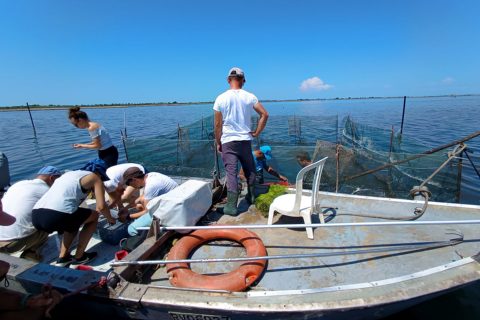
Clams more resistant to heat and Perkinsus: research paves the way for selective breeding
Padua, Italy, 16/10/2026 | University of Padua researchers explain to misPeces the findings presented at Aquaculture Europe 2026 and the steps needed to transfer them to hatcheries. Initial applications could emerge within the next two or three years, although the relationship between resistance, growth and other production traits still need to be assessed